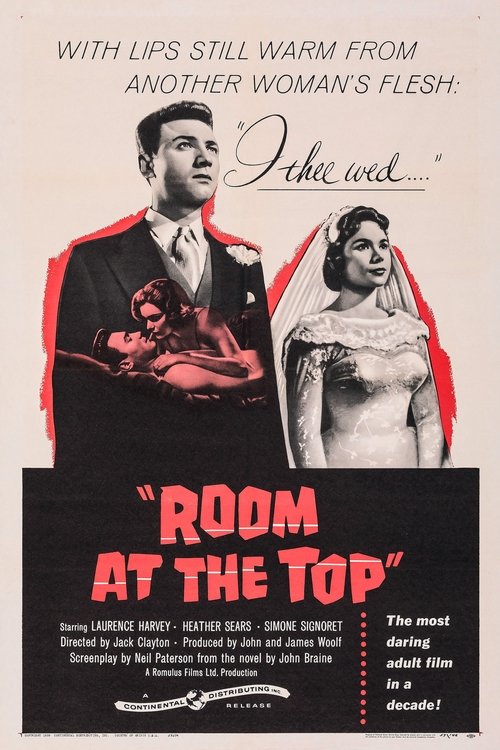
Room at the Top
1958
No user ratings available yet
Representation score: 2.6 out of 10

Representation Score
Minimal
1960
ApprovedDirector
Karel Reisz
Runtime
90 minutes
Average Rating
No ratings yetNew Showbiz Analysis
Karel Reisz’s work is a prime example of British social realism, emphasizing class conflict over broad demographic representation. The film excels in its critique of the oppressive factory system and the impact on individuals. However, it lacks LGBTQ+ representation, disability inclusion, and ethnic diversity, focusing instead on a homogeneous white working-class experience. Additionally, the film leans heavily on traditional masculine stereotypes.
Category Breakdown
The film focuses on heterosexual relationships and traditional romance without including any non-binary or queer identities.
The story emphasizes traditional gender roles where women play active roles but do not challenge the male-dominated perspective.
The cast is predominantly white, reflecting the 1960s industrial setting of Nottingham. The film highlights the experiences of the white British working class.
The film effectively critiques the capitalist industrial system and celebrates resistance against authority as a means of personal freedom.
There are no characters with visible or invisible disabilities featured in the narrative.
Present on Screen
Limited or Absent
Official Synopsis
A 22-year-old factory worker lets loose on the weekends: drinking, brawling, and dating two women, one of whom is older and married.
1958
1968

1971

1955

1962

1956

1945

1965
No reviews yet. Be the first to share your thoughts on this movie!
Use the rating form above to leave a star rating and optional review.