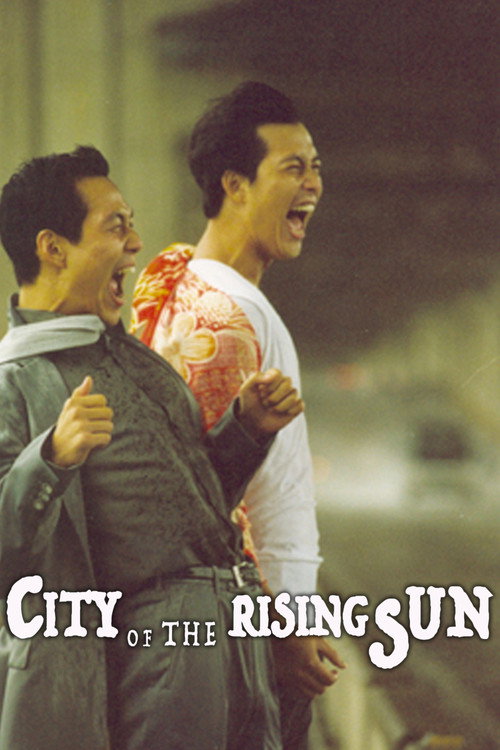
City of the Rising Sun
1999
No user ratings available yet
Representation score: 4.1 out of 10
Representation Score
Minimal
1996
Director
Takeshi Kitano
Runtime
107 minutes
Average Rating
No ratings yetNew Showbiz Analysis
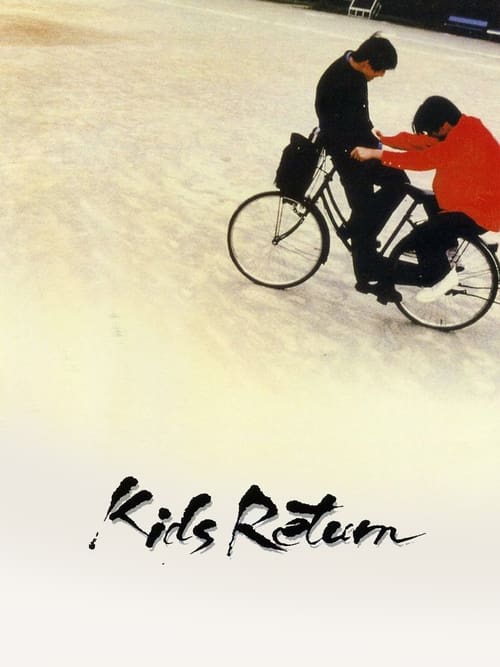
Takeshi Kitano’s *Kids Return* is a minimalist study of youth disillusionment that prioritizes atmospheric realism over demographic diversity. The film functions as a critique of institutional authority, using a detached lens to observe the protagonists' descent into crime. However, the work lacks diversity in traditional metrics. It is a deeply homogeneous and male-dominated narrative that offers almost no representation for women, LGBTQ+ individuals, or people with disabilities. While the film succeeds in its postmodern critique of social structures, its narrow focus on a singular ethnic and gendered experience limits its inclusive reach.
Category Breakdown
The film focuses almost exclusively on male friendships and rivalries. There is no clear presence of LGBTQ+ identities or subtexts.
The narrative is heavily centered around male characters, emphasizing masculine bonding and socialization. Female characters are limited to minor roles and do not have significant influence over the plot.
Set in Tokyo, the film features a predominantly Japanese cast. It does not explore diverse ethnic backgrounds or challenge the status quo with varied representations.
The film critiques social institutions through a detached, observational tone. It frames delinquency as a result of changing urban landscapes, using moral relativism.
There are no prominent depictions of visible or invisible disabilities or neurodivergence among the main characters.
Present on Screen
Limited or Absent
Official Synopsis
Shinji and Masaru spend most of their school days harassing fellow classmates and playing pranks. They drop out and Shinji becomes a small-time boxer, while Masaru joins up with a local yakuza gang. However, the world is a tough place.
1999

1994
2006
2001
1985

2003
2000

2007
No reviews yet. Be the first to share your thoughts on this movie!
Use the rating form above to leave a star rating and optional review.