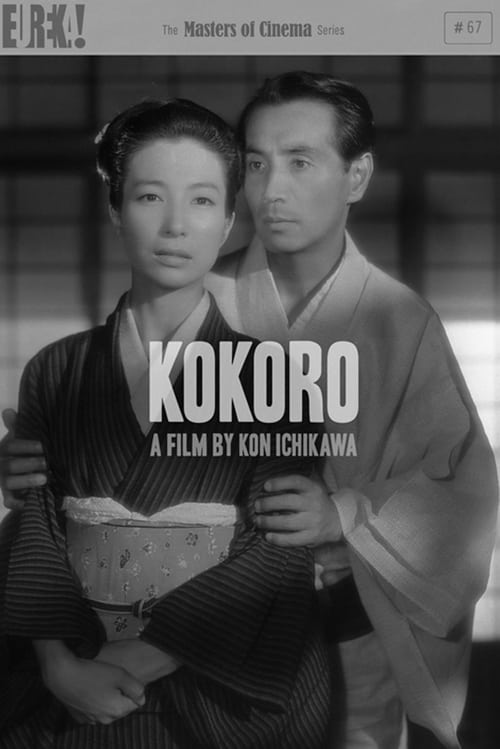
The Heart
1955
No user ratings available yet
Representation score: 5.7 out of 10

Representation Score
Fair
1973
Director
Kaneto Shindō
Runtime
90 minutes
Average Rating
No ratings yetNew Showbiz Analysis
Kaneto Shindō’s *The Heart* is a deep look at society that emphasizes personal freedom over traditional cultural norms. Though it doesn’t have modern markers of diversity like LGBTQ+ characters or a mix of ethnicities, it offers a progressive message by challenging social norms. The film stands out in its exploration of gender power dynamics and the pressures faced by women in rural Japanese society. It goes beyond just looking at individuals to show how communal morality can be punishing. Overall, the film is a study of people fighting against societal structures, providing a nuanced view on the tension between personal freedom and traditional social institutions.
Category Breakdown
The film doesn't include any explicit LGBTQ+ characters or situations. It focuses on traditional romantic relationships and biological roles in a rural setting.
The movie explores the power dynamics between genders and the challenges faced by women in society. It highlights the struggles of women against the control of men and the community's judgment.
The cast is made up of actors from similar ethnic backgrounds, reflecting the film's Japanese setting. It stays true to its culture without using Western actors.
The story criticizes strict moral rules and the pressure of community unity. It shows how rigid social systems can limit individual freedom.
The film doesn't feature any main characters with physical or mental disabilities that play a key role in the story.
Present on Screen
Limited or Absent
Official Synopsis
The relationship between a rich young student and his lower class friend changes when they start to live both at a guest house. Both will be attracted towards Iko, the beautiful daughter of their landlady.
1955
1951

1953
1957

1939
1934

1982

1962
No reviews yet. Be the first to share your thoughts on this movie!
Use the rating form above to leave a star rating and optional review.