The Letter
1999
No user ratings available yet
Diversity score: 5.3 out of 10
2000
RDirector
Pat Murphy
Runtime
106 minutes
Average Rating
No ratings yetSynopsis
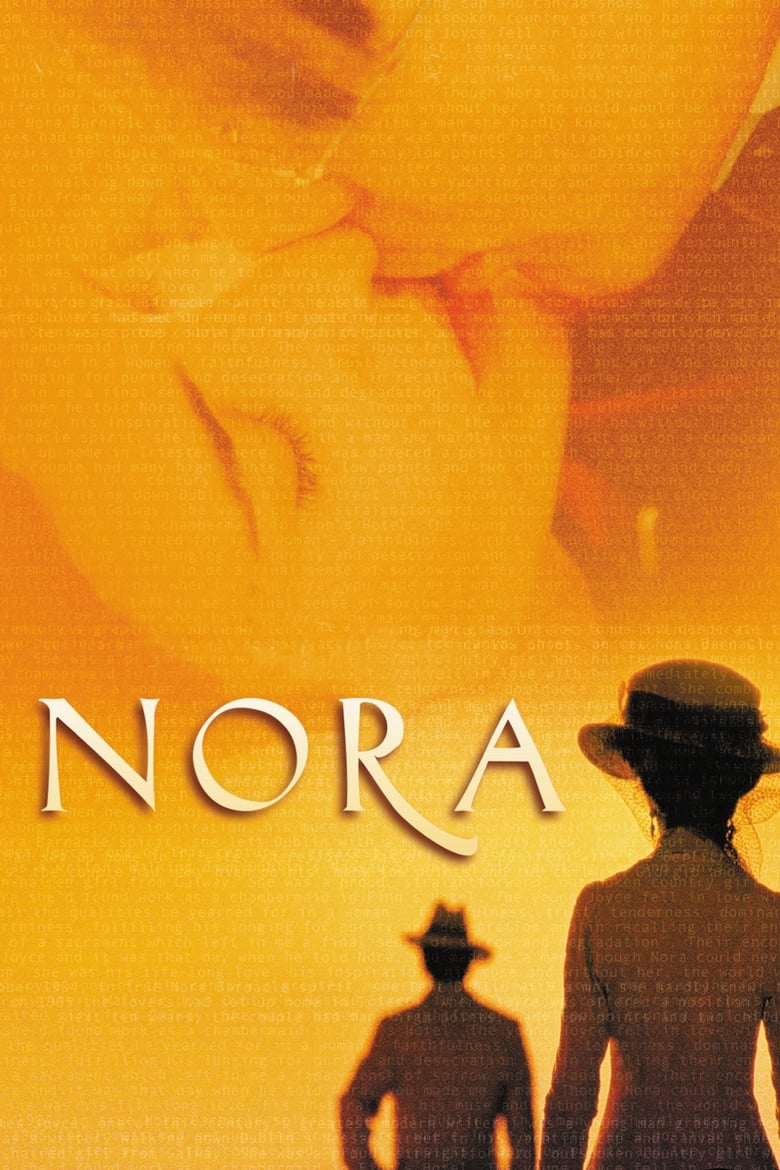
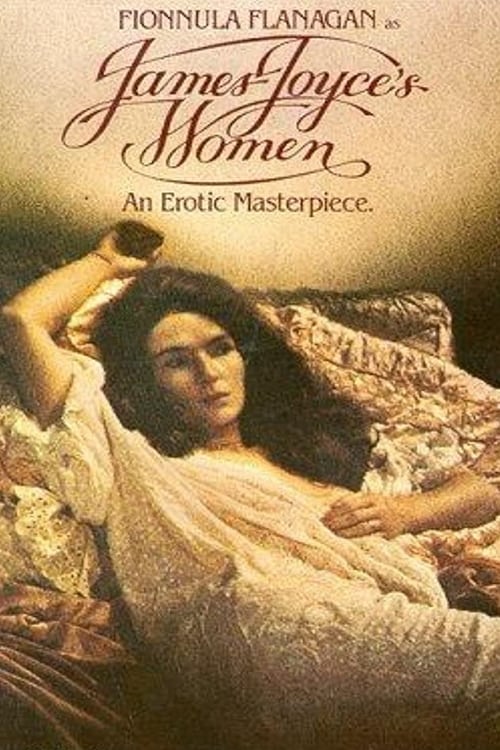
In 1904, in Dublin, James Joyce chats up Nora Barnacle, a hotel maid recently come from Galway. She enchants him with her frank, direct and uninhibited manner, and before long, he's convinced her to come with him to Trieste, where he has a job with Berlitz. Over time, Nora pulls him through phobias, tolerates his drinking, takes in his brother Stan, and bests Joyce at 'the writin' game' to bring him back to Italy from Dublin where he's gone to open a cinema. But his sexual jealousy threatens the relationship and sends her back to Galway with the children. Is there any way to tame Jim's green-eyed monster? And, will the lad ever get his stories published?
Overall Score
Fair
Category Breakdown
LGBTQ+ Representation
The film lacks LGBTQ+ characters or non-cisnormative identities. The narrative focuses strictly on heteronormative romantic tensions between the central figures without queer subtext.
Gender Representation
Nora is presented as a complex agent who disrupts the submissive female trope. The film critiques traditional hierarchies by centering her agency and psychological labor.
Racial & Ethnic Diversity
The cast is homogeneous, reflecting the white Irish working-class demographic of early 20th-century Dublin. It functions as a specific study of Irish identity.
Religious & Cultural Diversity
The story challenges the sanctity of the nuclear family and domestic ideals. It deconstructs the invisibility of women's contributions within the home.
Disability Representation
There is no explicit depiction of physical or sensory disabilities. The film touches on psychological phobias, though these are treated as personal character traits.
Strengths
Areas for Improvement
AI Analysis
Pat Murphy’s direction provides a sophisticated feminist critique of gendered power structures. By centering Nora’s agency, the film subverts the traditional 'muse' trope, transforming the domestic sphere into a site of psychological struggle rather than feminine fulfillment. However, the film is limited by its historical specificity. The lack of racial and LGBTQ+ diversity results in a narrow demographic scope, focusing almost exclusively on a white, heteronormative Irish experience. Ultimately, the work succeeds as an intentional social critique. It trades broad intersectional representation for a deep, progressive deconstruction of traditional social roles and domestic labor.
1999
1930
2021
1949
1991
1985
1948
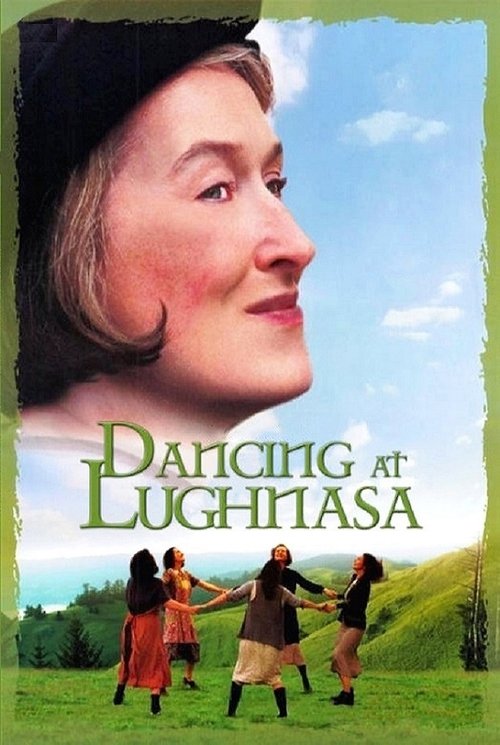
1998
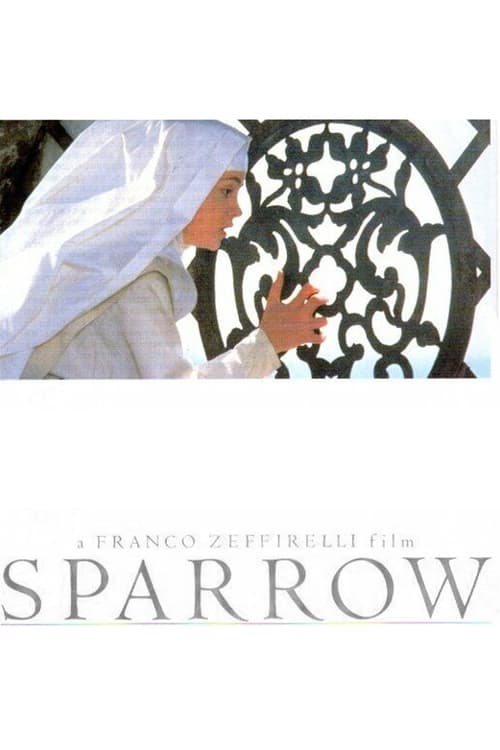
1994
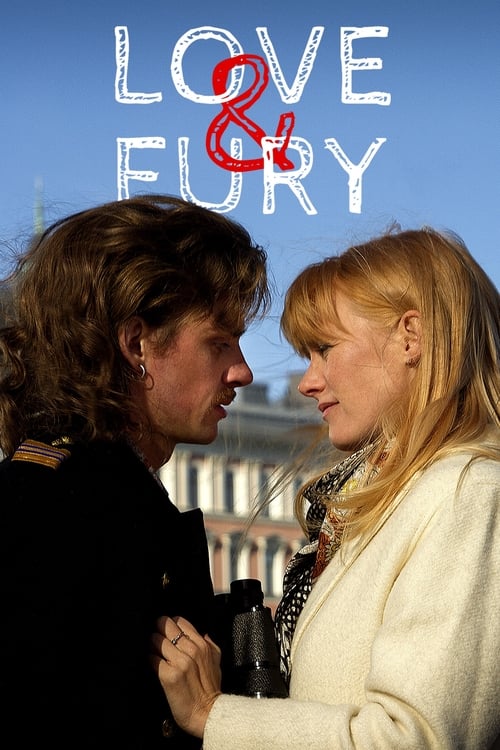
2016

2009
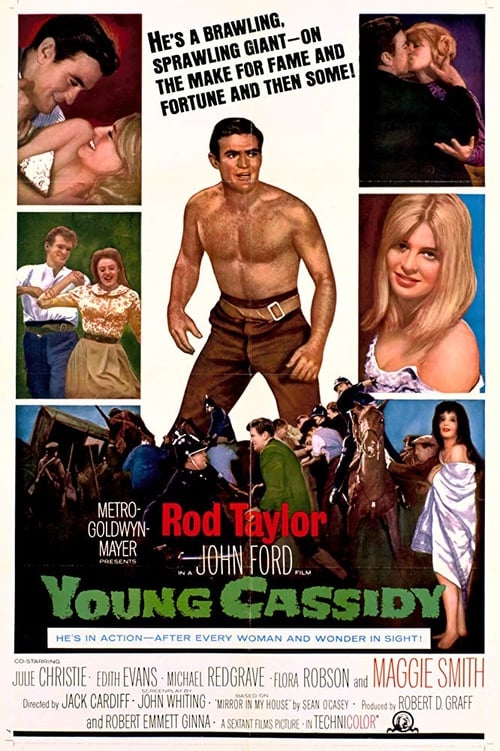
1965
No reviews yet. Be the first to share your thoughts on this movie!
Use the rating form above to leave a star rating and optional review.