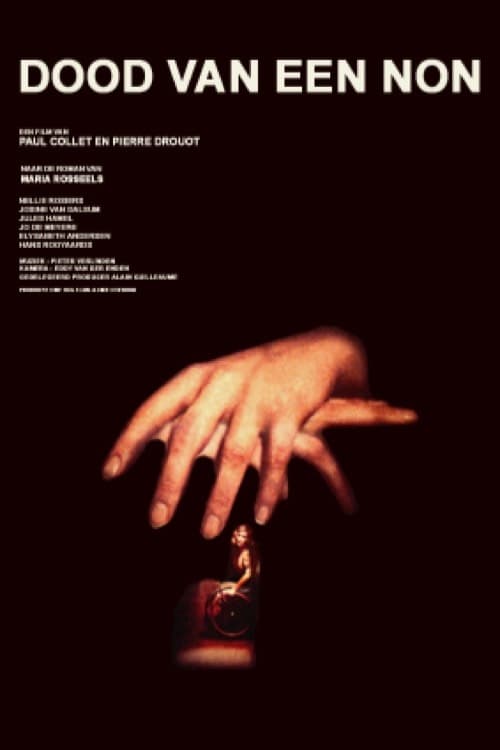
Death of a Nun
1975
No user ratings available yet
Diversity score: 5.6 out of 10
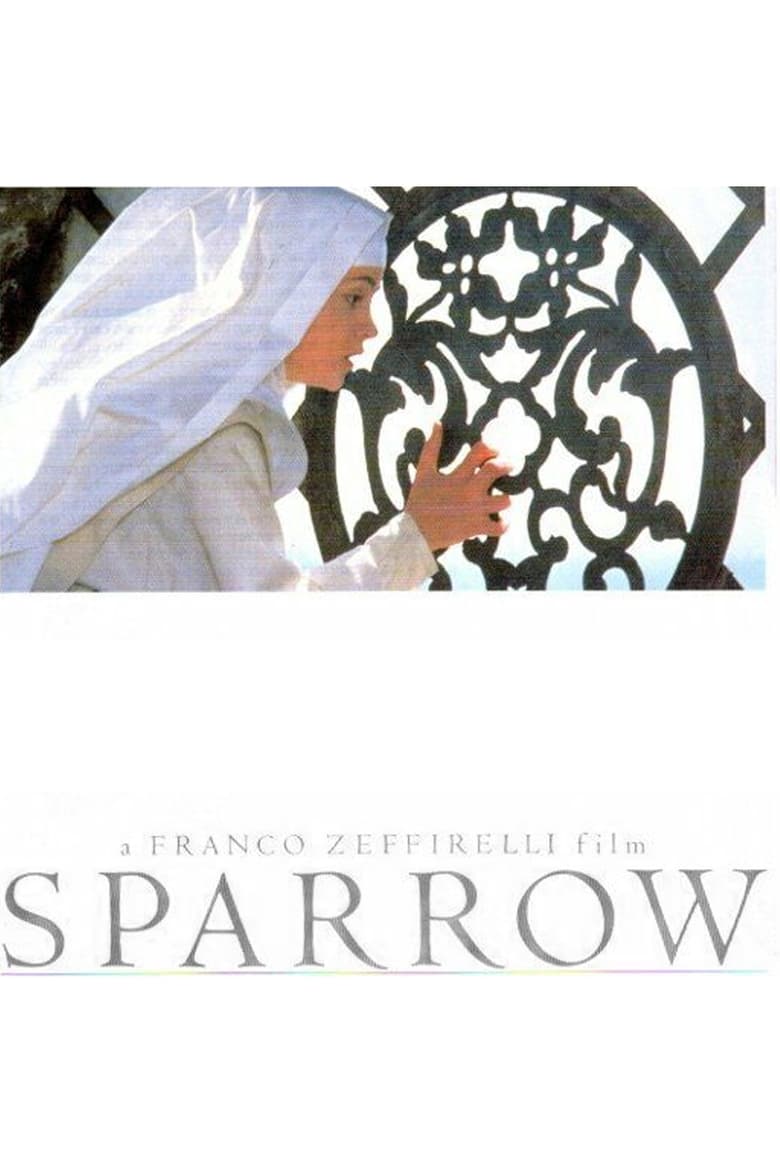
1994
Director
Franco Zeffirelli
Runtime
106 minutes
Average Rating
No ratings yetSynopsis
Catania, Sicilia 1854. A serious epidemic of cholera is hitting the region. Maria a 16 years old novice leaves her convent and returns her home to avoid contamination. Here she finds a difficult situation, in fact her stepmother and her half-sisters prevent Maria to live the normal life of a teenager. In their minds Maria is the promised "bride of God" and a regular life for her is inappropriate. Nino, her handsome neighbor, falls in love for Maria who isn't indifferent to him. But when Maria comes back to her convent the way to become nun is compelled. Now Maria can understand Sister Agata, and realizes she became mad cause a lost and impossible love like the one between Maria and Nino.
Overall Score
Fair
Category Breakdown
LGBTQ+ Representation
The film centers on heteronormative romance between Maria and Nino. While Sister Agata's tragic madness stems from lost love, the narrative lacks explicit queer identity or same-sex intimacy.
Gender Representation
Maria's internal struggle drives the emotional arc, critiquing the 'bride of God' trope used to strip women of agency. The film portrays domestic and religious structures as oppressive forces.
Racial & Ethnic Diversity
Set in 19th-century Sicily, the casting reflects the historical Mediterranean demographic. It avoids whitewashing by embracing the specific cultural and ethnic textures of the Sicilian setting.
Religious & Cultural Diversity
The narrative critiques the Catholic Church and patriarchal family units as mechanisms of control. It prioritizes individual emotional truth over religious dogma and institutional sanctity.
Disability Representation
Sister Agata’s descent into madness is presented as a consequence of emotional repression. This provides a nuanced look at how social pressures impact mental health outcomes.
Strengths
Areas for Improvement
AI Analysis
Sparrow is a period drama that uses its historical Sicilian setting to deconstruct the restrictive nature of religious and familial hierarchies. It focuses heavily on the psychological toll of suppressed autonomy. The film's strength lies in its critique of institutional authority and its emphasis on the individual's struggle against systemic social constraints. It moves beyond simple period aesthetics to explore complex emotional truths. However, the film lacks significant demographic variety and remains largely centered on heteronormative romantic tensions. Its exploration of mental health and repressed identity is tied closely to tragic outcomes.
1975

2017

1992

2002
2013

1989

1999

2019

2012
1999
2010

1952
No reviews yet. Be the first to share your thoughts on this movie!
Use the rating form above to leave a star rating and optional review.