
Marie Kroyer
2012
No user ratings available yet
Diversity score: 5.6 out of 10
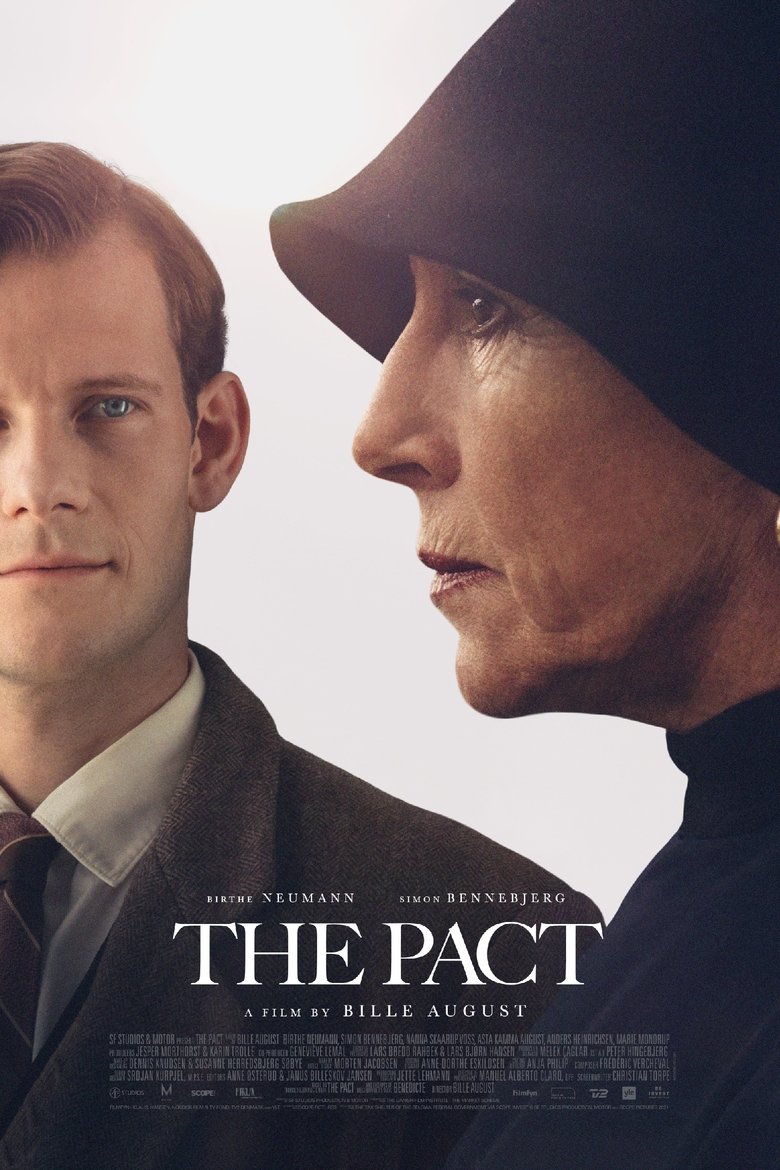
2021
Director
Bille August
Runtime
100 minutes
Average Rating
No ratings yetSynopsis
Aged 63, Karen Blixen is at the pinnacle of her fame and next in line to win the Nobel Prize for literature. It has been 17 years since she gave up her famous farm in Africa, only to return to Denmark with her life in ruins. Devastated by syphilis and having lost the love of her life, she has reinvented herself as a literary sensation. One day, she meets a talented 30-year-old poet whom she promises literary stardom if he in return will obey her unconditionally, even at the cost of him losing everything else in his life.
Overall Score
Fair
Category Breakdown
LGBTQ+ Representation
The film lacks explicit queer character arcs or narratives that critique heteronormativity. The central relationship focuses on a complex power dynamic rather than using queer identity as a lens for social commentary.
Gender Representation
Karen Blixen is portrayed as a dominant, intellectually superior force who wields profound influence over men. This subverts traditional gender hierarchies by presenting a woman who commands unconditional obedience.
Racial & Ethnic Diversity
The cast is predominantly white and Scandinavian, reflecting the film's specific Danish setting. While Blixen has African connections, the narrative focuses on her reintegration into Danish society.
Religious & Cultural Diversity
The story engages with moral relativism and the heavy psychological weight of personal choices. It avoids singular morality but does not overtly critique systemic Western or capitalist institutions.
Disability Representation
Blixen’s struggle with syphilis is depicted as a catalyst for her isolation and transformation. The film treats illness as a driver for psychological drama rather than a study of disability agency.
Strengths
Areas for Improvement
AI Analysis
The film's strength lies in its subversion of gendered power dynamics. By centering a woman who exerts intellectual dominance over her male counterparts, it challenges the trope of the submissive female protagonist common in period dramas. However, the film lacks broad demographic variety. The cast is largely homogeneous, adhering strictly to the Scandinavian setting, and the narrative does not engage with queer identities or systemic cultural critiques. Ultimately, the work functions as a psychological study of individual agency and the cost of ambition rather than a vehicle for diverse social representation.
2012

2014

1999
2012

2014

2020
2014

2007

2024
2009
2014
2019
No reviews yet. Be the first to share your thoughts on this movie!
Use the rating form above to leave a star rating and optional review.