Sagan
2008
No user ratings available yet
Diversity score: 5.3 out of 10
1985
RDirector
Michael Pearce
Runtime
88 minutes
Average Rating
No ratings yetSynopsis
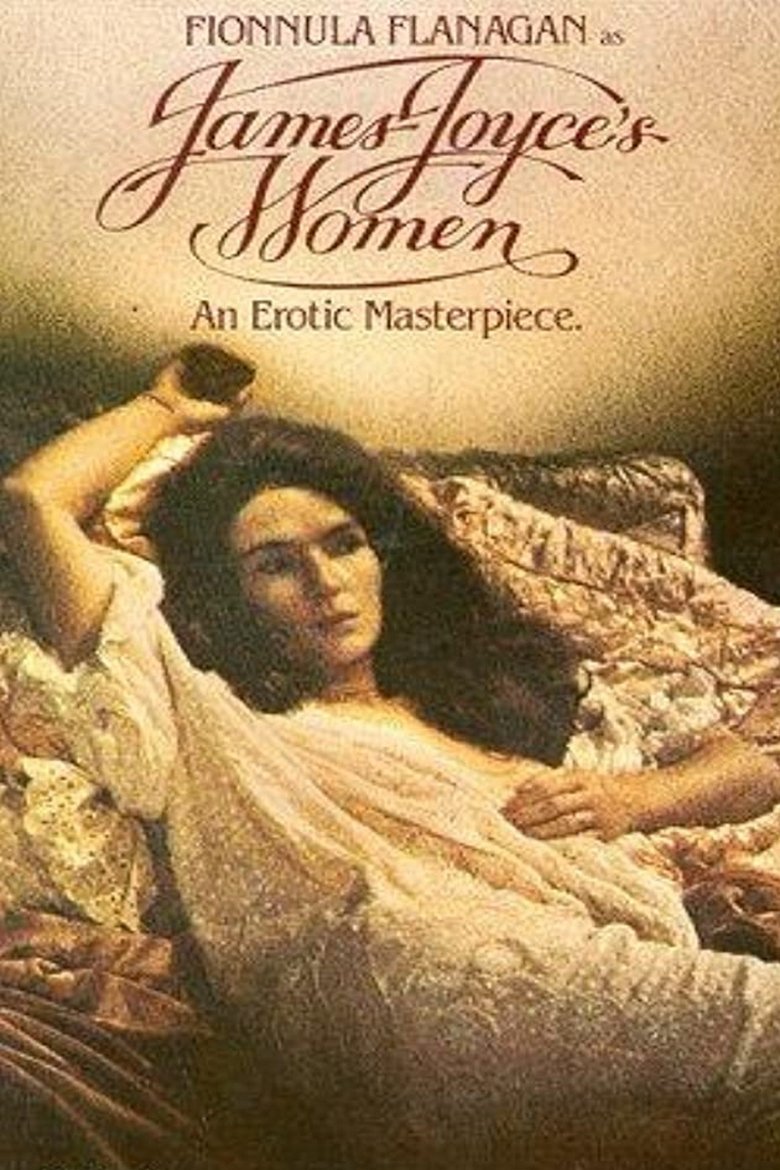
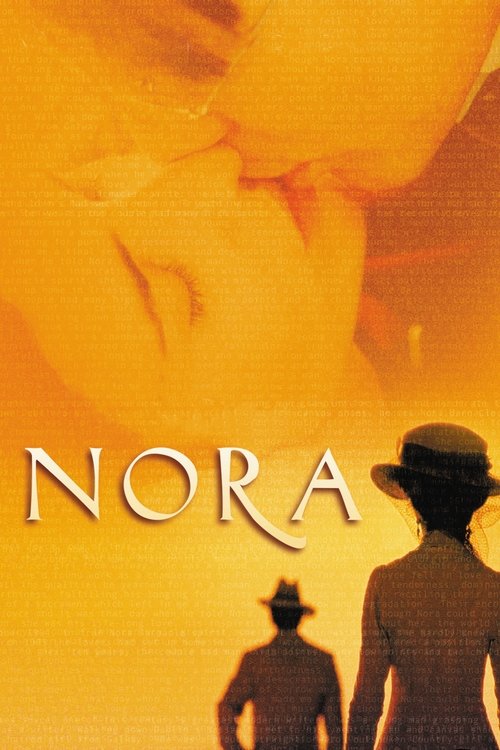
In this tribute to James Joyce, Fionnula Flanagan gives a tour-de-force performance as a half-dozen or so women in Joyce's real and fictional worlds. When she portrays his wife Nora remembering their time together, Flanagan captures the era and the author in lyrical detail. As Sylvia Beach, the woman who first published Ulysses, new dimensions concerning the importance of Nora in Joyce's literary visions of women emerge, and when Flanagan interprets Joyce characters like Molly Bloom or a washerwoman from Finnegan's Wake, the beauty of Joyce's language shines through the melodious words.
Overall Score
Fair
Category Breakdown
LGBTQ+ Representation
The film operates within a historical framework that limits non-cisnormative visibility. It focuses on traditional romantic structures of early 20th-century Dublin without explicit same-sex intimacy.
Gender Representation
The production disrupts traditional hierarchies by centering female agency and interiority. Fionnula Flanagan portrays a spectrum of women, positioning them as architects of emotional and intellectual reality.
Racial & Ethnic Diversity
The cast is predominantly white and Irish, reflecting the specific historical setting. The narrative remains rooted in a Eurocentric milieu with little intersectional racial diversity.
Religious & Cultural Diversity
The film explores Irish identity and post-colonial tensions through a modernist lens. Catholicism is treated as a systemic environmental backdrop rather than a singular moral compass.
Disability Representation
There is no significant evidence regarding the portrayal of visible or invisible disabilities within the narrative.
Strengths
Areas for Improvement
AI Analysis
Michael Pearce’s film is a sophisticated exercise in narrative redirection. By pivoting away from the 'Great Man' biographical trope, it shifts the focus from James Joyce himself to the psychological landscapes of the women in his life. The film excels in its gendered subversion, granting immense agency to characters like Sylvia Beach and Molly Bloom. This approach transforms women from background figures into central drivers of the story's emotional reality. However, the work is constrained by its period setting. The lack of racial and LGBTQ+ diversity reflects the historical context of early 20th-century Ireland, resulting in a narrow, Eurocentric scope.
2008
1994
1978
1990
2019
1983
2006
2008
1965
1998
1958
2000
No reviews yet. Be the first to share your thoughts on this movie!
Use the rating form above to leave a star rating and optional review.