Abraham's Valley
1993
No user ratings available yet
Representation score: 4.8 out of 10
Representation Score
Good
1999
Director
Manoel de Oliveira
Runtime
107 minutes
Average Rating
No ratings yetNew Showbiz Analysis
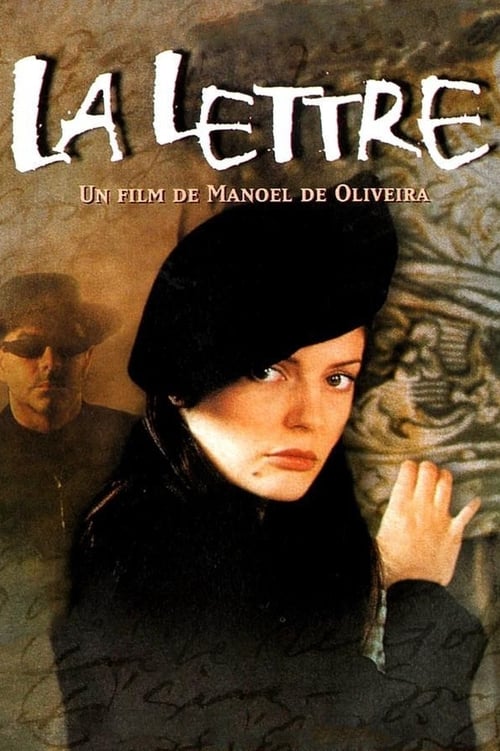
The Letter is a sophisticated chamber drama that prioritizes psychological landscapes over social action. It provides a nuanced study of women's ability to drive the story, allowing the protagonist to navigate her own moral and emotional truths independently of her marital obligations. However, the film's scope is limited by its specific cultural and social milieu. The narrative remains centered on a homogeneous cast and a traditional romantic structure, offering little representation for LGBTQ+ or diverse ethnic identities. Ultimately, the film's strength lies in its intellectual depth. It uses religious and social institutions as a backdrop to deconstruct the subjectivity of truth, providing a meaningful departure from didactic storytelling.
Category Breakdown
The film focuses on traditional romantic structures and does not include explicit LGBTQ+ characters or narratives centered around non-cisgender identities.
The protagonist plays a significant role in driving the narrative's emotional inquiry, demonstrating strong autonomy and navigating her internal conflicts independently of traditional domestic roles.
The cast is relatively homogeneous, reflecting a specific Portuguese cultural and rural context. The film adheres to the historical and social realism of its localized setting.
The story explores the tension between spiritual devotion and secular passion through the intersection of marriage and religious authority. It critiques rigid institutional morality and explores moral relativism.
There are no prominent depictions of physical or neurodivergent disabilities. Themes of psychological distress are used as elements of romantic tragedy rather than explorations of disability ability to act.
Present on Screen
Limited or Absent
Official Synopsis
A well-bred, lovely, spiritual, sad young woman marries an attentive physician who loves her. She feels affection but no love. Soon after, without design, she falls in love with Pedro Abrunhosa, a poet and performance artist. He also loves her. She keeps her distance from him, confessing her love to a friend who is a nun and, later, to her husband. Hunger for her love and jealousy consume him; she attends him as he wastes away. With his death, she can marry and express her passion, but what she does and how she explains herself, particularly to her cloistered friend, is at the heart of the film. Glimpses of convent life and of Abrunhosa on stage give contrast and mute comment.
1993
1964
2002
1964
1996
1996

1998
1991
No reviews yet. Be the first to share your thoughts on this movie!
Use the rating form above to leave a star rating and optional review.