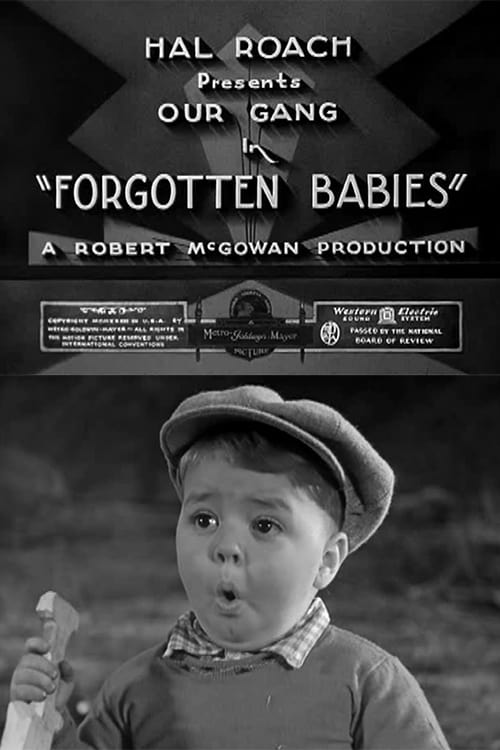
Forgotten Babies
1933
No user ratings available yet
Representation score: 3.2 out of 10
Representation Score
Limited
1931
Director
Robert F. McGowan
Runtime
21 minutes
Average Rating
No ratings yetNew Showbiz Analysis
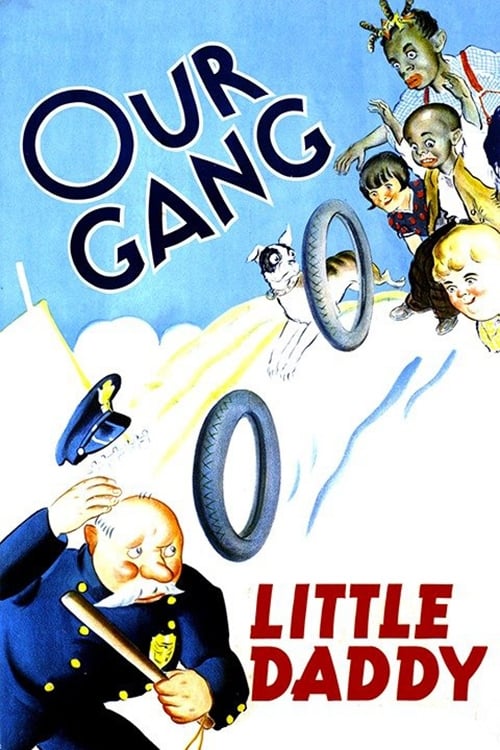
Little Daddy highlights early examples of racial inclusion in mainstream comedy by featuring Black children as central characters. However, the film stays true to the social norms of the early sound era, focusing on traditional gender roles and not engaging with modern progressive themes. The film's importance lies in its departure from the usual practice of excluding Black actors, while still maintaining the social norms of the time.
Category Breakdown
The film follows the social norms of the early 1930s and does not include any LGBTQ+ characters or stories about non-straight relationships.
The story revolves around typical interactions among children in the 1930s. While it includes gendered activities, it doesn't challenge traditional gender roles common during that time.
Characters like Farina and Stymie, who are Black, play key roles in driving the plot. This is unusual for films made in the early 1930s, as they typically sidelined Black actors.
The story focuses on the friendship between children and doesn't criticize religious or cultural institutions. It fits within the comedic traditions of the early 20th century.
The film does not feature any characters with visible or invisible disabilities.
Present on Screen
Limited or Absent
Official Synopsis
Farina plans a going-away party for Stymie as authorities prepare to place him in an orphanage.
1933
1934
1932

1921
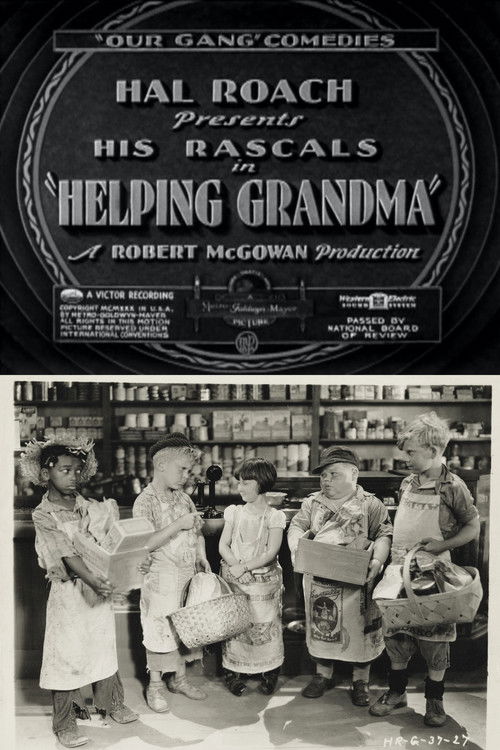
1931
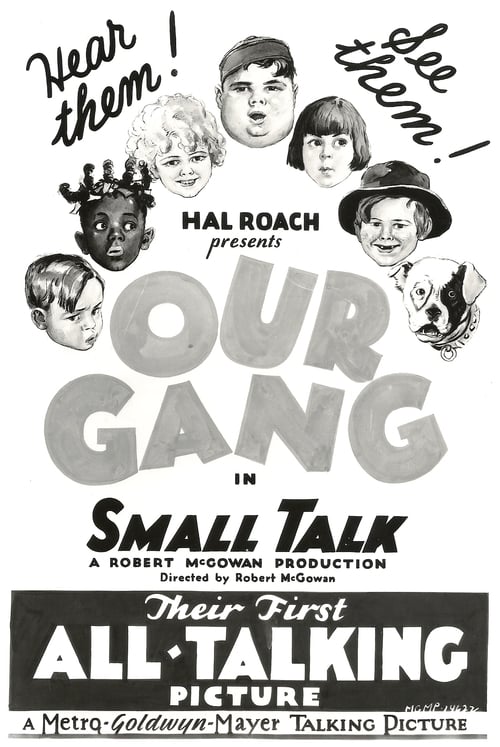
1929
1932
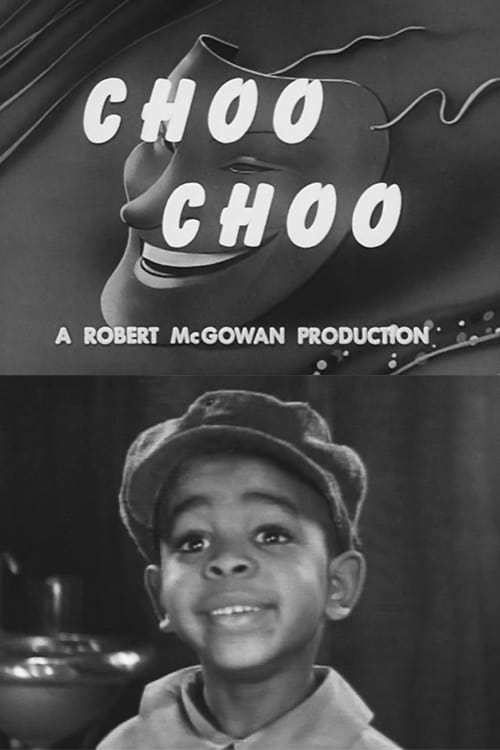
1932
No reviews yet. Be the first to share your thoughts on this movie!
Use the rating form above to leave a star rating and optional review.