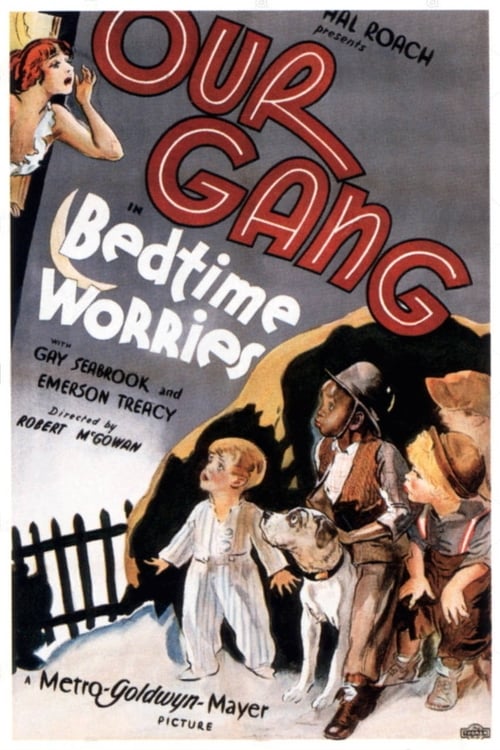
Bedtime Worries
1933
No user ratings available yet
Representation score: 3.4 out of 10
Representation Score
Minimal
1933
ApprovedDirector
Robert F. McGowan
Runtime
18 minutes
Average Rating
No ratings yetNew Showbiz Analysis
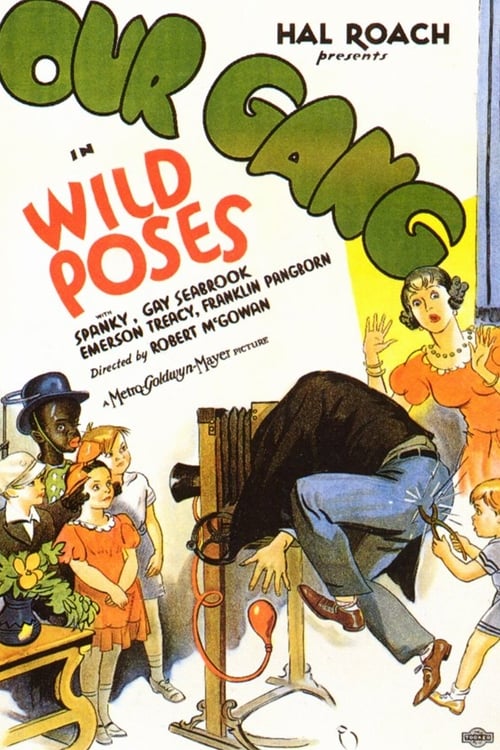
Wild Poses is a conventional comedy short that reinforces the conservative social frameworks of the early 1930s. The narrative relies on the friction between childhood spontaneity and adult expectations, specifically through a child being forced into a formal portrait session. The film operates within a traditional family structure and lacks multi-layered complexity. It does not attempt to challenge systemic hierarchies or introduce diverse identities, instead adhering to the standard casting and social conventions of its era.
Category Breakdown
The film does not include any LGBTQ+ characters or narratives. It focuses on a traditional family unit without engaging with queer themes.
Gender roles in the film follow a traditional domestic hierarchy. A photographer is portrayed as prissy, but there is no evidence of women taking leading roles or making significant decisions.
The narrative likely reflects the homogeneous social norms of 1933. There is no indication of racial diversity or characters of color with significant roles.
The plot centers on Western values regarding parental authority and social decorum. It follows standard comedic clichés rather than challenging institutional or social norms.
There is no information available regarding the portrayal of physical or neurodivergent disabilities in this production.
Present on Screen
Limited or Absent
Official Synopsis
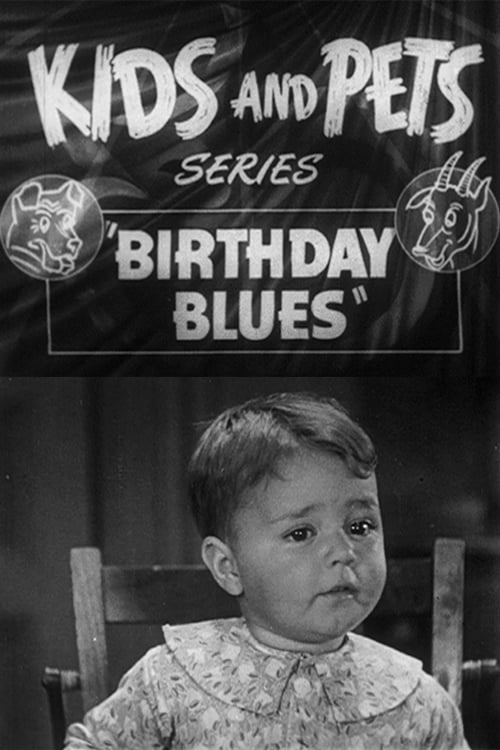
Spanky's parents take their reluctant boy to get his portrait taken by a prissy photographer.
1933
1927
1933
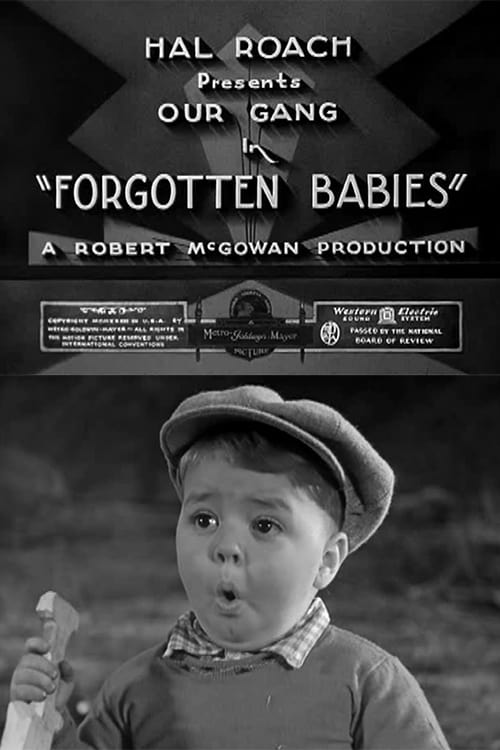
1933
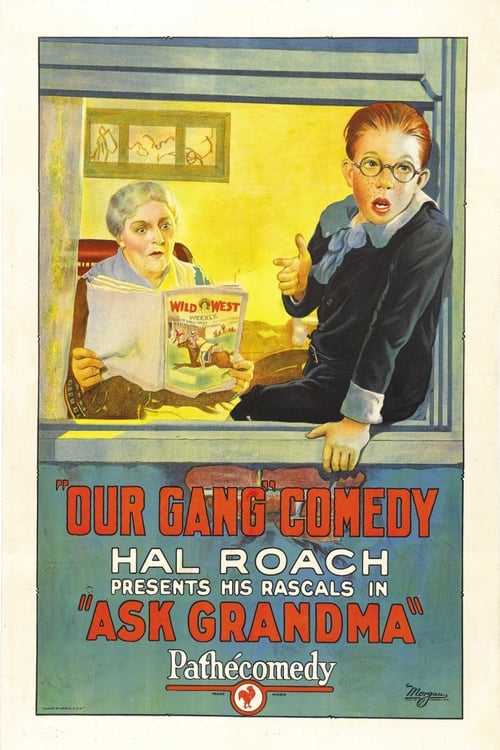
1925
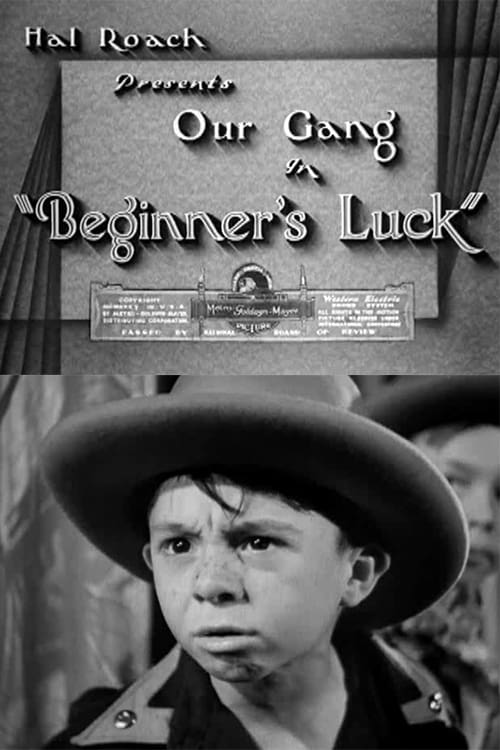
1935
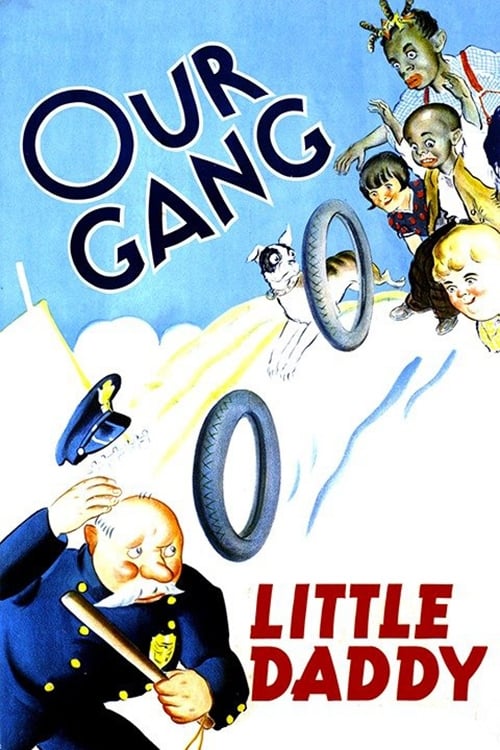
1931
1932
No reviews yet. Be the first to share your thoughts on this movie!
Use the rating form above to leave a star rating and optional review.