
Woman Haters
1934
No user ratings available yet
Representation score: 1.1 out of 10

Representation Score
Limited
1937
ApprovedDirector
Fred C. Newmeyer
Runtime
10 minutes
Average Rating
No ratings yetNew Showbiz Analysis
Mail and Female is a product of its time, combining progressive casting with traditional narrative themes. The film's strength lies in its racially integrated cast, which was ahead of many 1930s contemporaries. However, the story remains tied to traditional social hierarchies and gendered clichés. The plot uses the 'He-Man Woman Haters Club' as a comedic device to reinforce, rather than challenge, traditional romantic structures. While the presence of diverse child actors provides visibility, the narrative itself does not engage with deeper cultural or systemic issues.
Category Breakdown
The story centers on traditional heterosexual romance, with Alfalfa's secret letters to Darla serving as a comedic setup. There are no characters representing non-straight or non-cisgender identities.
Gender dynamics follow the 'battle of the sexes' cliché common in 1930s comedy. Girls drive the plot through social exclusion, while boys lead the main organizational action through their segregated club.
The cast includes notable racial diversity for the era, featuring characters like Billie Thomas and Eugene 'Porky' Lee. However, their identities do not significantly influence the central comedic narrative.
The film focuses on traditional childhood social hierarchies and social norms. It adheres to standard studio conventions, reinforcing conventional social norms without offering broader cultural critiques.
There are no visible or invisible disabilities portrayed as central to the character arcs or the plot progression.
Present on Screen
Limited or Absent
Official Synopsis
The Gang's male members, headed by Spanky, decided to create the "He-Man Woman Haters Club" in reaction to not being invited to one of the girl's parties.
1934
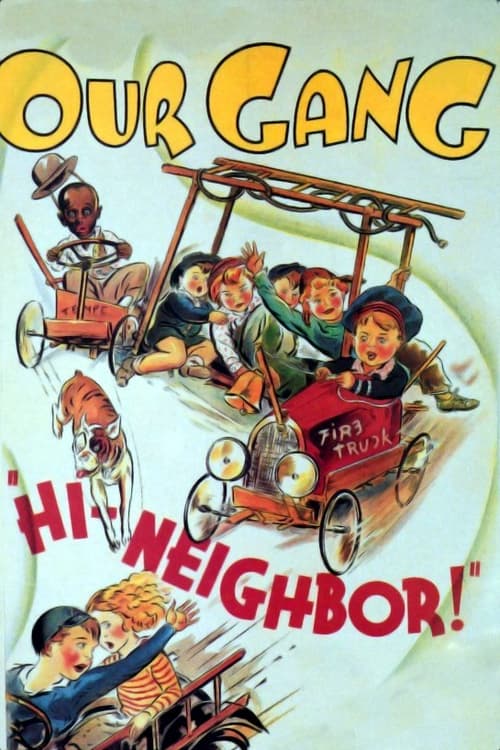
1934
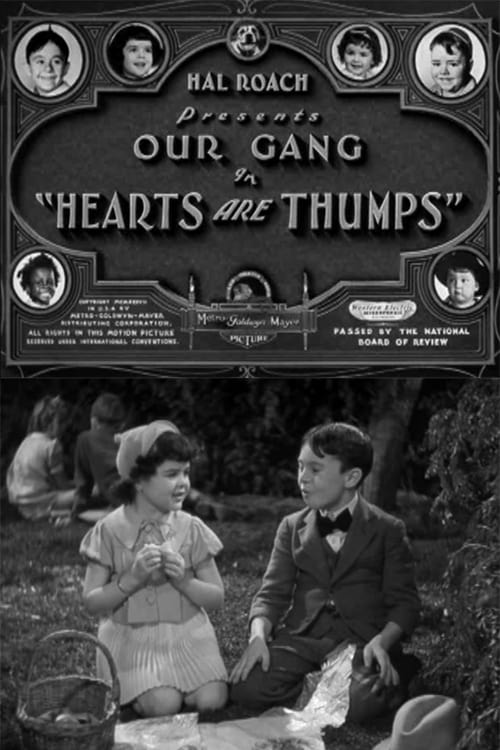
1937
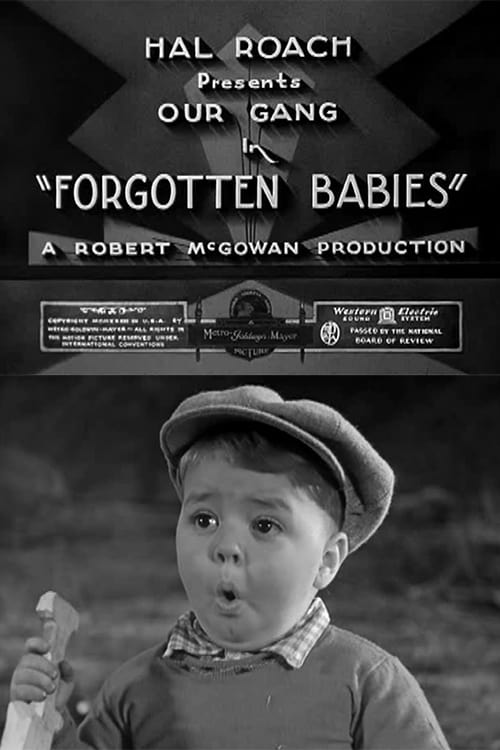
1933
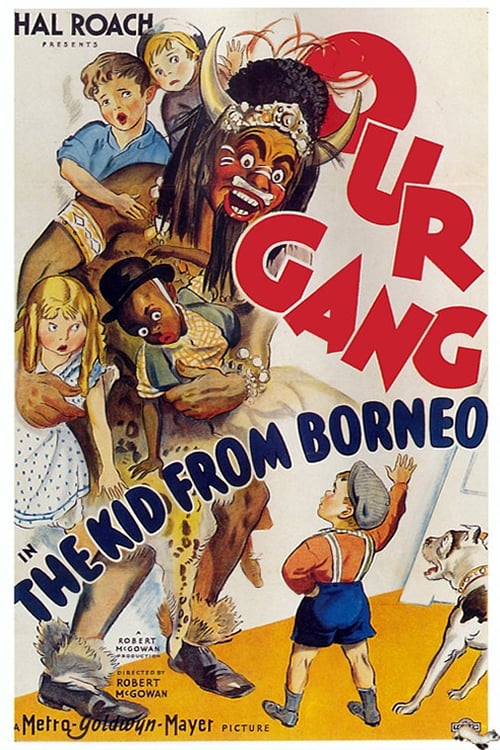
1933
1941
1926

1950
No reviews yet. Be the first to share your thoughts on this movie!
Use the rating form above to leave a star rating and optional review.