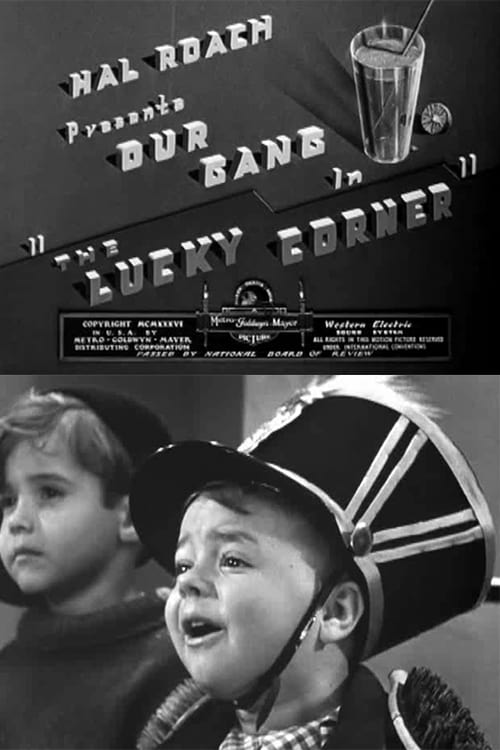
The Lucky Corner
1936
No user ratings available yet
Representation score: 0.9 out of 10

Representation Score
Limited
1922
Director
Robert F. McGowan
Runtime
20 minutes
Average Rating
No ratings yetNew Showbiz Analysis
The film's strength lies in its progressive approach to racial integration, which was highly unusual for 1922. Featuring a racially integrated cast, the narrative challenges the era's standard of homogeneous casting and promotes diverse social circles. However, the film lacks representation for LGBTQ+ identities and disabilities. The social framework remains strictly centered on traditional childhood play. Ultimately, the film serves as a significant historical milestone for presenting an integrated group of children engaging in collective action.
Category Breakdown
The film focuses solely on childhood friendships within a framework that assumes everyone is straight and cisgender. There are no representations of LGBTQ+ identities or same-sex relationships.
Children of both genders interact with a level of egalitarianism typical of play-based narratives. While adults reflect 1920s norms, the children's social status stems from ingenuity rather than gendered domesticity.
This film stands out for its racially integrated cast, featuring both black and white children interacting in a shared social circle. It provides a rare example of diverse play and meaningful roles for characters of color.
The story revolves around protecting a local merchant from an unethical competitor, offering a subtle critique of predatory business practices. The narrative remains largely apolitical and avoids focusing on a single religious morality.
There is no indication of the portrayal of physical or neurodivergent disabilities in this short film.
Present on Screen
Limited or Absent
Official Synopsis
An unethical merchant moves into town and steals customers from the widowed owner of an established store; the gang steps in to help.
1936
1926
1931
1916
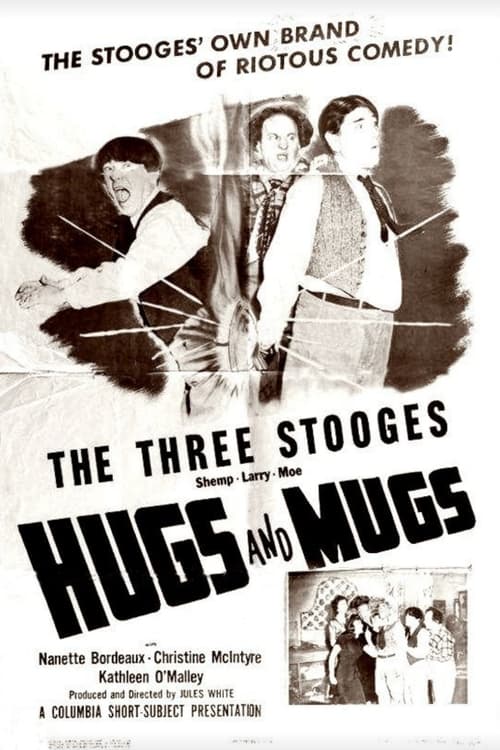
1950
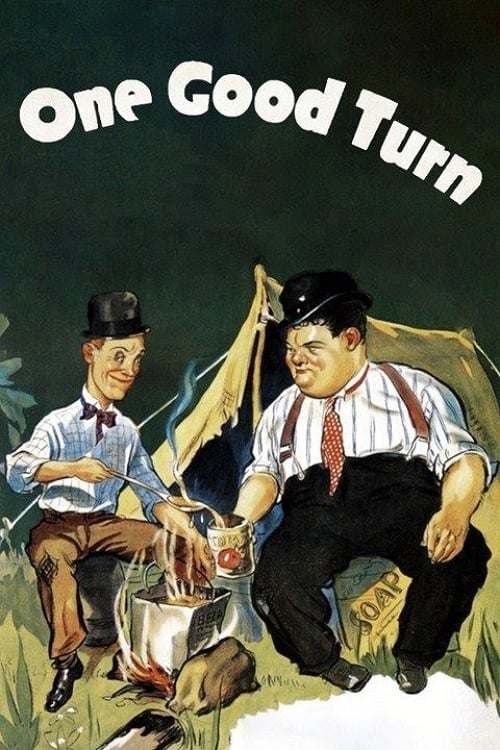
1931
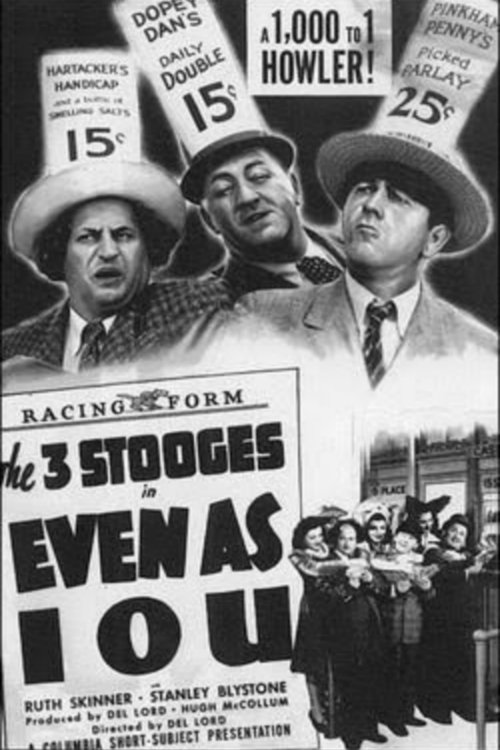
1942
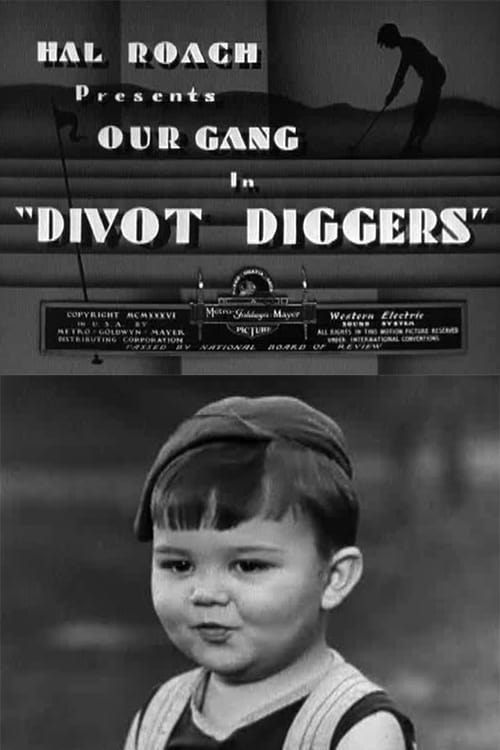
1936
No reviews yet. Be the first to share your thoughts on this movie!
Use the rating form above to leave a star rating and optional review.