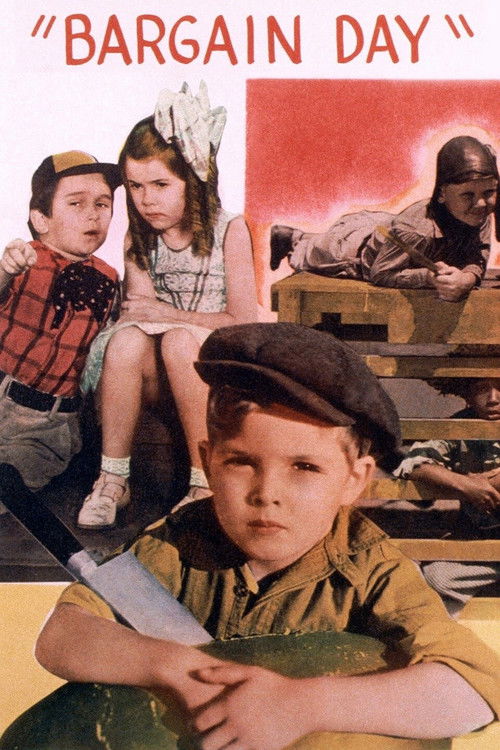
Bargain Day
1931
No user ratings available yet
Representation score: 1.4 out of 10
Representation Score
Limited
1931
Director
Robert F. McGowan
Runtime
21 minutes
Average Rating
No ratings yetNew Showbiz Analysis
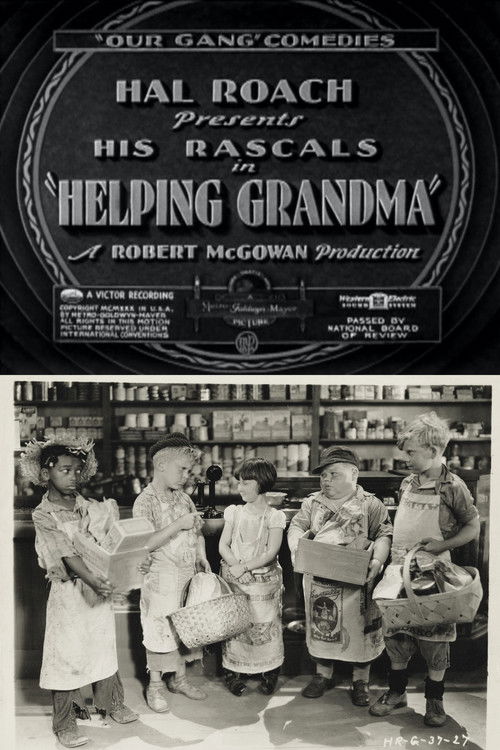
Helping Grandma is a traditional comedic short from the 1930s that focuses on domestic stability. The narrative revolves around a grandmother's business issue and the community's response, adhering to the social hierarchies of the time. While the inclusion of an adopted grandmother provides a minor expansion of traditional family structures, the film does not challenge broader social norms. It relies on conventional formulas involving youth involvement and community support. Overall, the film reflects the demographic and cultural norms of early 1930s cinema, offering limited representation or subversion of societal structures.
Category Breakdown
The film does not include any non-traditional gender identities or same-sex relationships. An adopted grandmother is part of the story, but the overall narrative stays within traditional family structures.
A female character drives the plot through her decision to sell a store. However, the comedic setup likely keeps her within traditional domestic roles.
The cast likely reflects the typical demographic makeup of 1930s American cinema. While the director's past work included diverse casts, this specific short lacks clear evidence of racial diversity.
The story upholds Western values such as small-business ownership and familial loyalty. It emphasizes social cohesion and respect for elders without challenging established cultural norms.
There are no visible or invisible disabilities mentioned or depicted in the narrative.
Present on Screen
Limited or Absent
Official Synopsis
The kids' adopted grandma decides to sell her store, but can't decide whom to sell it to. The kids try to help her out.
1931

1934
1931

1922
1934
1932
1933
1936
No reviews yet. Be the first to share your thoughts on this movie!
Use the rating form above to leave a star rating and optional review.