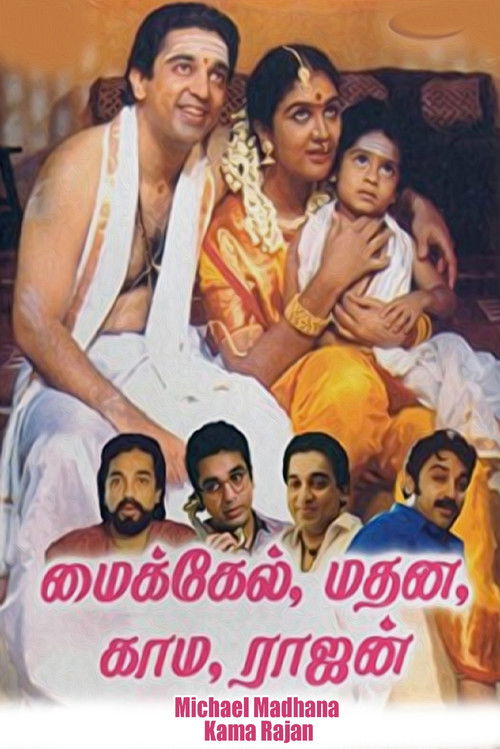
Michael Madana Kama Rajan
1990
No user ratings available yet
Diversity score: 3.2 out of 10

1938
Director
Arkady Boytler
Runtime
78 minutes
Average Rating
No ratings yetSynopsis
When three orphans that were raised together and love like brothers knows about plans to be separated and work outside, they escape and live in the street. They sell lottery and newspapers. When older, they became artists.
Overall Score
Limited
Category Breakdown
LGBTQ+ Representation
The film adheres to the heteronormative frameworks typical of 1930s musical comedies. It focuses on conventional courtship and lacks any evidence of same-sex intimacy or non-cisnormative identities.
Gender Representation
While actresses like Silvia Pinal provide visibility, the narrative reinforces traditional gender roles. Female characters primarily function as romantic interests or comedic foils within a patriarchal structure.
Racial & Ethnic Diversity
The film centers Mexican identities and local cultural expressions, avoiding the whitewashing common in Hollywood at the time. It provides an authentic representation of the domestic population.
Religious & Cultural Diversity
The story follows a classic rags-to-riches arc that celebrates individual resilience and social mobility. It aligns with traditional aspirational values rather than challenging existing social orders.
Disability Representation
The narrative focuses on socioeconomic struggles and class rather than physical or neurodivergent disabilities. There is no evidence of characters with disabilities driving the central plot.
Strengths
Areas for Improvement
AI Analysis
Arkady Boytler’s *Águila o sol* serves as a foundational piece of the Golden Age of Mexican cinema, offering a culturally authentic look at Mexican identity. By centering local casts and cultural expressions, it avoids the racial erasure seen in contemporary Hollywood productions. However, the film remains a product of its era, strictly adhering to the social and moral hierarchies of the 1930s. The narrative structure prioritizes traditional romantic trajectories and capitalist ideals of meritocracy, offering little room for the subversion of gender or sexual norms. Ultimately, while the film succeeds in providing regional agency and cultural authenticity, it lacks the intersectional depth required to challenge established power dynamics or represent diverse lived experiences beyond the standard social archetypes of the period.
1990
1940
1953
1953
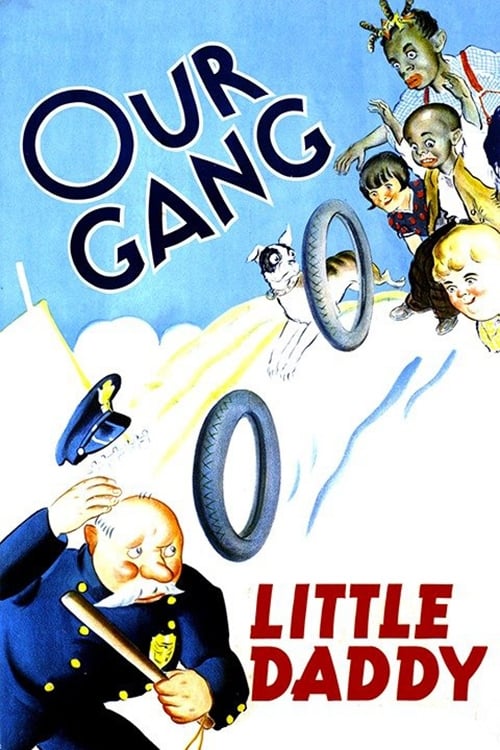
1931
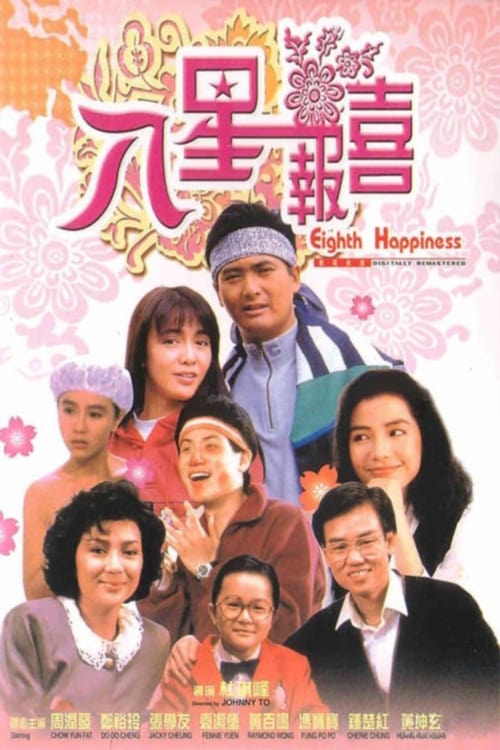
1988
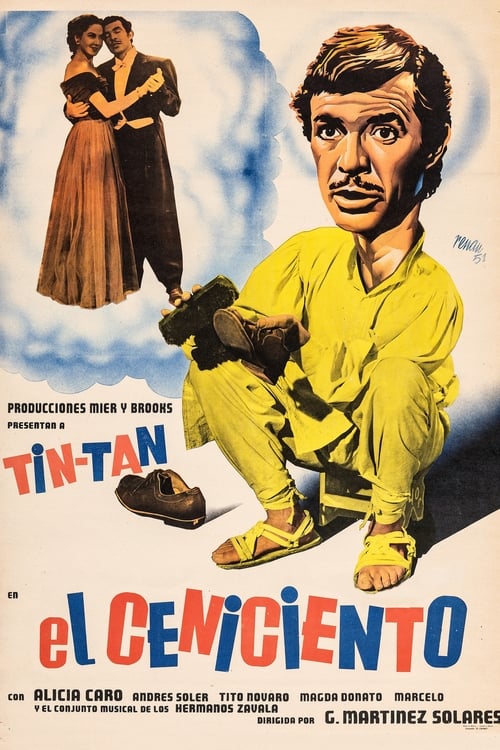
1952
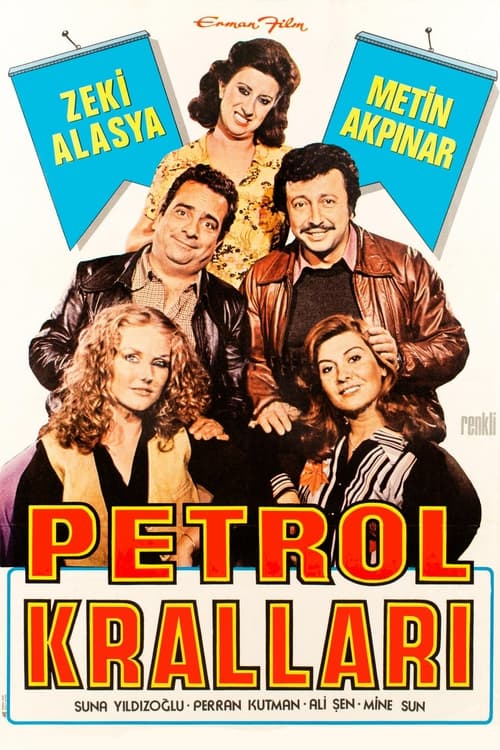
1978
1974
1973
1954
1983
No reviews yet. Be the first to share your thoughts on this movie!
Use the rating form above to leave a star rating and optional review.