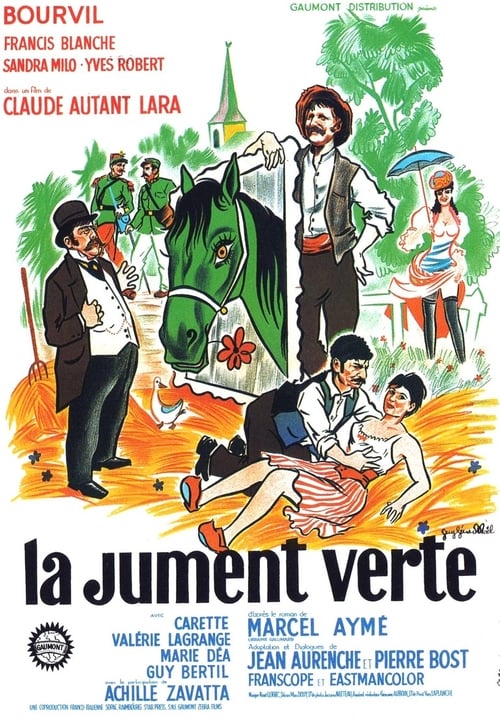
The Green Mare
1959
No user ratings available yet
Diversity score: 4.1 out of 10
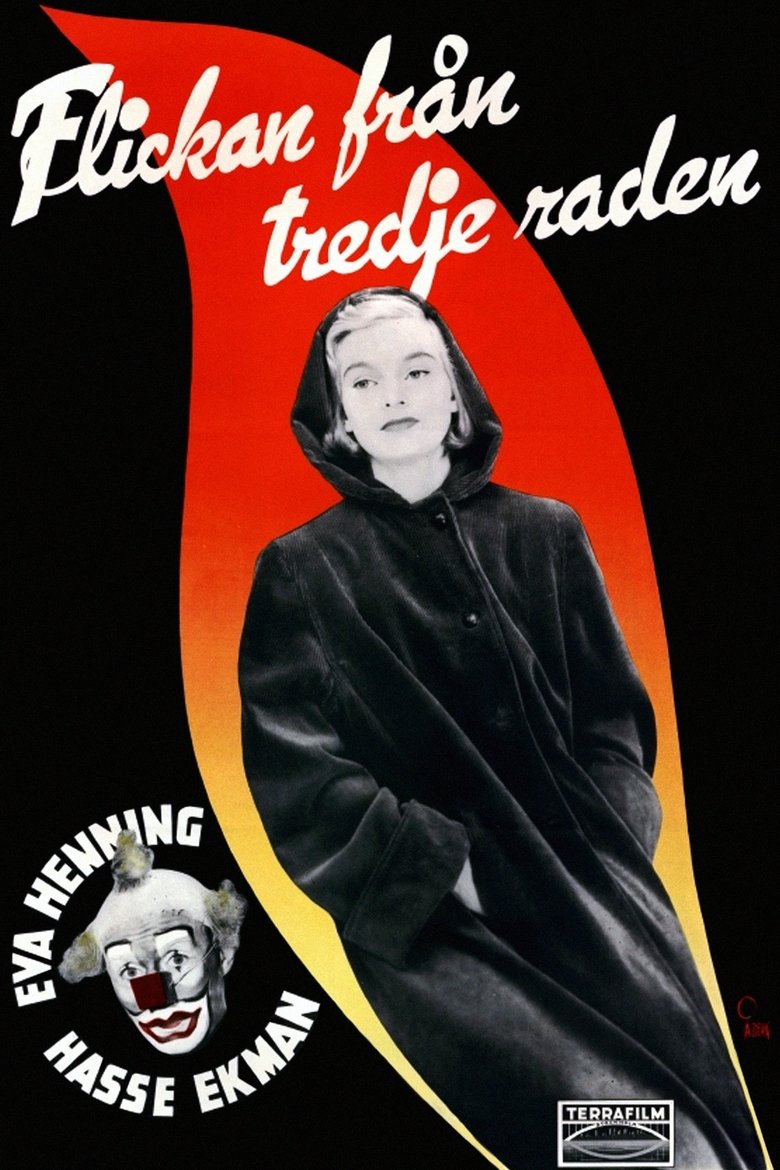
1949
Director
Hasse Ekman
Runtime
88 minutes
Average Rating
No ratings yetSynopsis
A ring passes between a lot of different people, giving the bearer or someone close a new meaning to life. Actors, embezzlers, old ladies and cheated husbands all seem to gain temporary hope from misery and disillusionment.
Overall Score
Fair
Category Breakdown
LGBTQ+ Representation
The film focuses on traditional romantic disillusionment and cheated husbands. There is no specific evidence of non-heteronormative identities or queer perspectives.
Gender Representation
The narrative uses a ring to explore how characters navigate social expectations. It touches on domestic instability through the lens of marital infidelity.
Racial & Ethnic Diversity
The story likely reflects the demographic homogeneity of 1949 Sweden. There is no indication of significant non-Anglo-Saxon representation or race-bent casting.
Religious & Cultural Diversity
The film adopts a secular, humanistic approach to the human condition. It explores moral relativism by connecting disparate social classes through shared experiences.
Disability Representation
The provided material contains no information regarding the portrayal of physical or neurodivergent disabilities.
Strengths
Areas for Improvement
AI Analysis
Hasse Ekman’s ensemble drama avoids a singular hero-centric journey, opting instead for a sociological exploration of various social archetypes. By following a ring through different hands, the film examines how hope and disillusionment affect people across different strata. While the film succeeds in disrupting traditional narrative structures through its fragmented, kaleidoscopic view of society, it remains limited by the era's demographic norms. The focus leans heavily toward class and moral status rather than intersectional identity. Ultimately, the work functions as a character-driven study of human interconnectedness. It prioritizes the fluidity of social roles over rigid institutional or religious narratives.
1959
1956
1975
1973
1956

1939
1954
1946
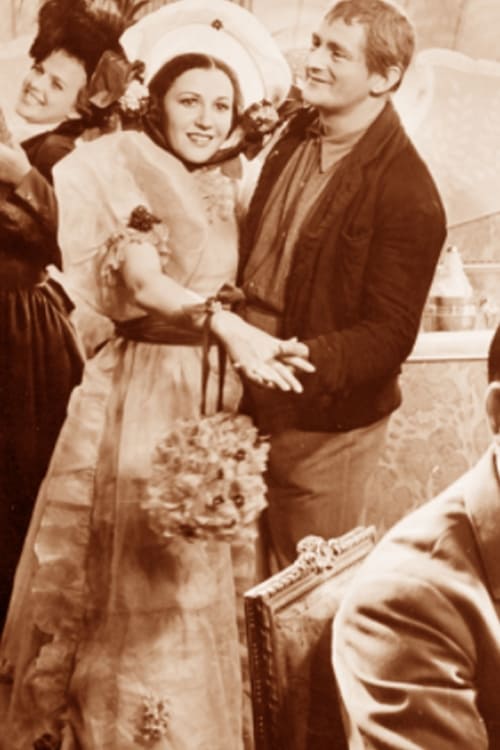
1937
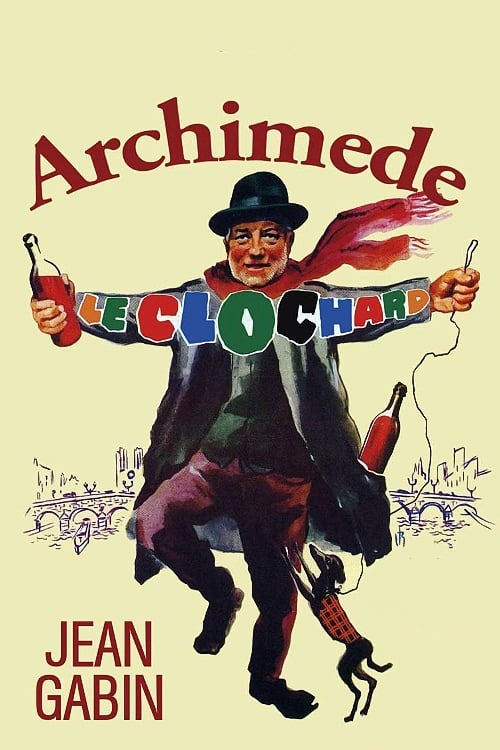
1959
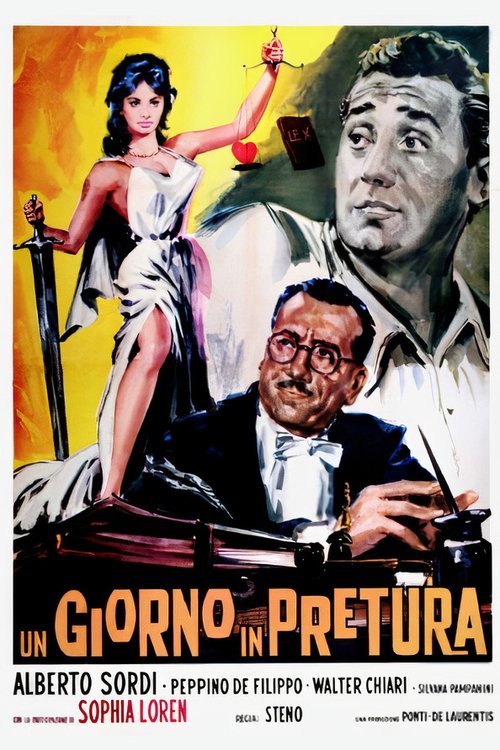
1954
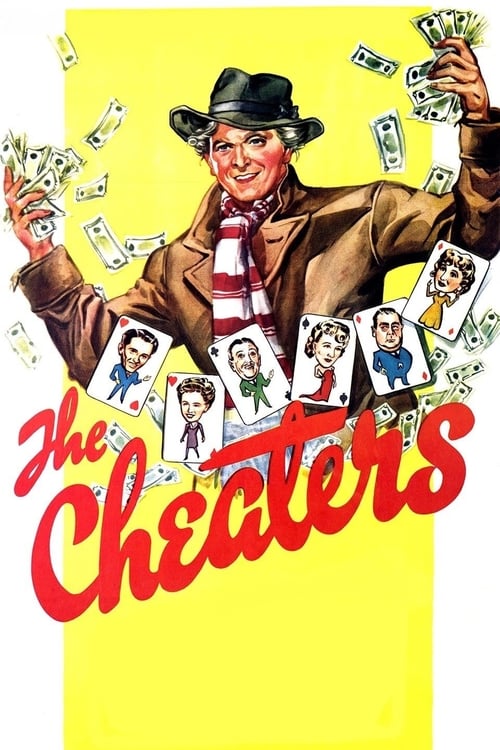
1945
No reviews yet. Be the first to share your thoughts on this movie!
Use the rating form above to leave a star rating and optional review.