
Le voci di dentro
1978
No user ratings available yet
Representation score: 3.5 out of 10

Representation Score
Limited
1954
Director
Steno
Runtime
97 minutes
Average Rating
No ratings yetNew Showbiz Analysis
A Day in Court is a social comedy that captures the everyday lives of ordinary Italians in the mid-20th century. It uses a judicial setting to explore human morality and bureaucratic systems through various quirky characters. While the film offers a nuanced portrayal of mid-century society, it does not delve into the multi-layered complexities seen in contemporary films. Its narrative remains confined by the demographic and social norms of the era.
Category Breakdown
The film does not include any characters with non-binary gender identities or same-sex relationships. It seems to follow the traditional assumption that everyone is straight and cisgender.
Although the magistrate role is traditionally male, the film features a variety of characters, suggesting some diversity in gender roles. However, these roles likely conform to the social norms of the time.
The film reflects the racially homogeneous population of mid-century Italy. There is no indication of significant non-white representation or actors playing roles outside their traditional ethnic backgrounds.
The story examines the tension between personal behavior and state institutions. By focusing on minor crimes and local characters, it critiques the social and judicial systems of the time.
There is no specific mention of characters with visible or invisible disabilities in this film.
Present on Screen
Limited or Absent
Official Synopsis
A day at an Italian trial court, where a magistrate judges a full array of peculiar petty crimes and characters.
1978

1974

1984

1975
1950

1966
1971
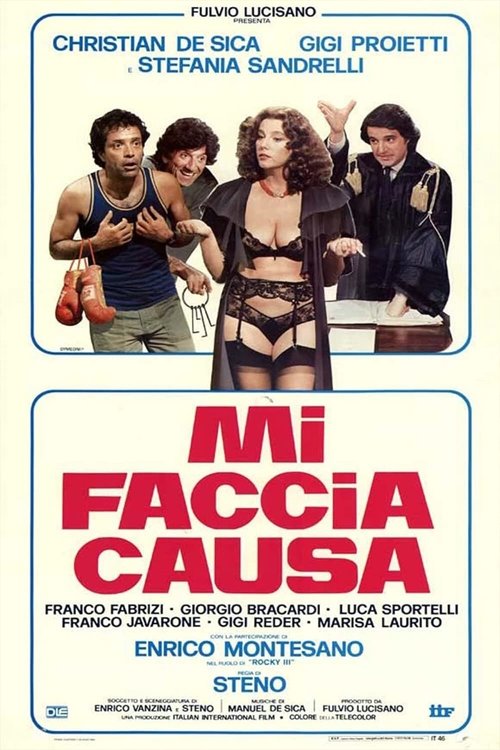
1985
No reviews yet. Be the first to share your thoughts on this movie!
Use the rating form above to leave a star rating and optional review.