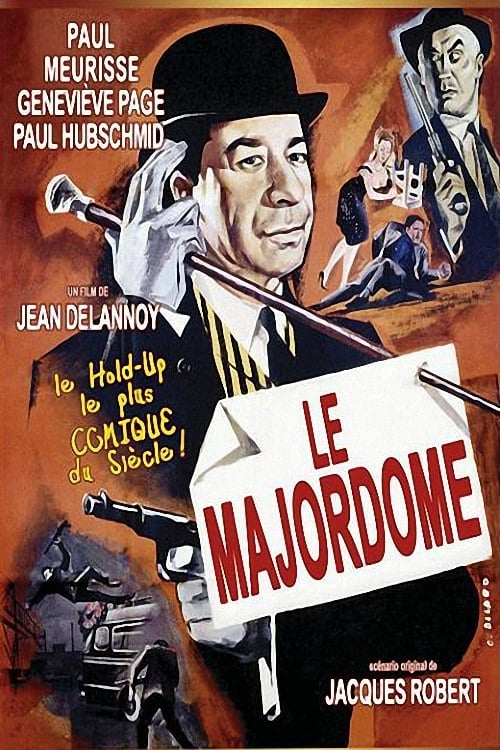
The Majordomo
1965
No user ratings available yet
Representation score: 2.0 out of 10

Representation Score
Fair
1959
Director
Gilles Grangier
Runtime
79 minutes
Average Rating
No ratings yetNew Showbiz Analysis
The Magnificent Tramp is a traditional mid-century character comedy that adheres to the demographic norms of its era. The narrative focuses on a single male protagonist, limiting the exploration of gender and identity. While the film touches on themes of social marginalization and poverty, it does so through a conventional lens. It lacks the structure to disrupt social expectations or provide diverse representation.
Category Breakdown
The film does not include any LGBTQ+ characters or narratives. It follows the social norms typical of 1959 French cinema.
The story centers around a male protagonist's journey into prison, suggesting a traditional, masculine-focused narrative without challenging gender hierarchies.
As a mid-century French production, the film likely reflects the homogeneous society of its time. There is no indication of diverse casting.
The story examines social marginalization through a character study of poverty, operating within a traditional moral framework without systemic critique.
There is no specific mention of neurodivergence or physical disabilities. The protagonist's status as a vagabond highlights socioeconomic issues rather than disability-related challenges.
Present on Screen
Limited or Absent
Official Synopsis
Bum Archimède wants to spend the winter in prison, but to get there proves not to be that easy.
1965
1956
1959
1981
1929

1960
1955

2001
No reviews yet. Be the first to share your thoughts on this movie!
Use the rating form above to leave a star rating and optional review.