
Christmas Eve
1947
No user ratings available yet
Representation score: 2.0 out of 10
Representation Score
Limited
1945
NRDirector
Joseph Kane
Runtime
87 minutes
Average Rating
No ratings yetNew Showbiz Analysis
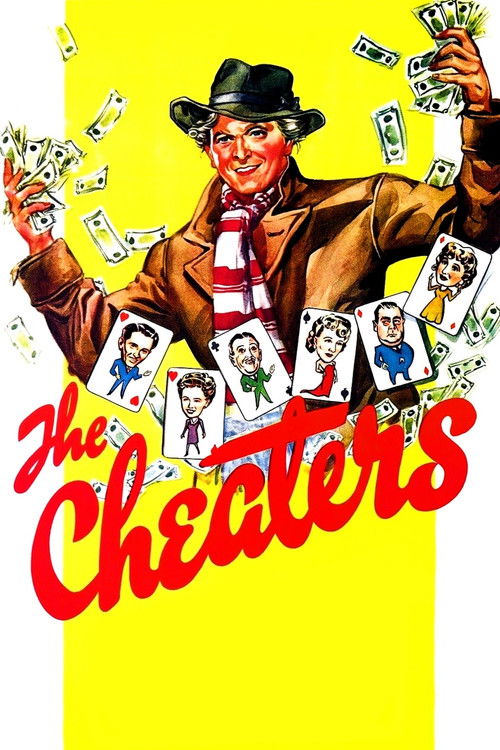
The Cheaters is a typical mid-century production that upholds traditional social hierarchies. It follows the genre conventions of the era without challenging established clichés. The narrative centers on a wealthy family and inheritance schemes, aligning with the era’s emphasis on Western institutional norms. Characters are portrayed primarily for moral or comedic purposes, lacking social critique.
Category Breakdown
The film does not include any characters with non-binary or LGBTQ+ identities. It follows the traditional family structures common in 1940s Hollywood.
Female characters might have roles related to inheritance, but they are likely still defined by domestic duties or wealth. The film seems to follow traditional gender roles.
The cast reflects the homogeneous demographics of the 1940s, with no indication of diverse ethnic representation.
The story revolves around themes of Christmas charity and inheritance, fitting within the moral frameworks of the time. It adheres to the cultural norms of the 1940s.
An alcoholic ex-actor serves as a comedic character, and there is no exploration of mental health or disabilities in a nuanced way.
Present on Screen
Limited or Absent
Official Synopsis
An eccentric wealthy family facing bankruptcy schemes to steal an inheritance, but an alcoholic ex-actor they take in for Christmas charity complicates their plan.
1947

1934
1932
1942
1946
1947

1926
1934
No reviews yet. Be the first to share your thoughts on this movie!
Use the rating form above to leave a star rating and optional review.