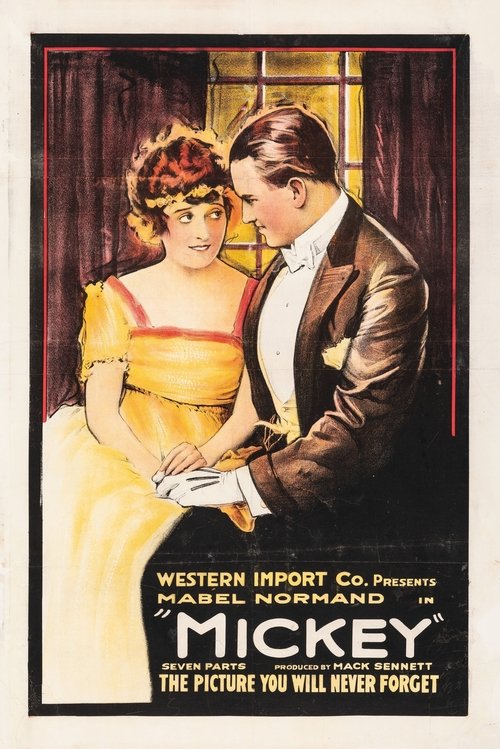
Mickey
1918
No user ratings available yet
Representation score: 2.5 out of 10

Representation Score
Limited
1939
Director
Tatyana Lukashevich
Runtime
68 minutes
Average Rating
No ratings yetNew Showbiz Analysis
The film is a period-specific social drama reflecting the collective values of 1939 Moscow. It functions as a window into Soviet-era cinematic traditions, prioritizing social structures over individualistic narratives. While the female lead provides a central perspective, the work largely reinforces the societal norms of its time. It lacks modern markers of diverse identities or progressive representation. Ultimately, the film emphasizes social cohesion and the role of the collective in a large urban environment.
Category Breakdown
The film does not include any representation of LGBTQ+ identities or non-binary gender expressions. It focuses on a traditional storyline centered around a lost child and the process of social reintegration typical of the era.
A young female character drives the story, serving as a catalyst for change in the lives of adults around her. However, her role may emphasize social utility rather than challenging traditional gender roles.
Set in Moscow, the film likely portrays a standard Soviet population. It follows the era's depiction of the ideal citizen without highlighting diverse ethnic backgrounds.
The story highlights the social interconnectedness and the importance of the collective within an urban setting. It aligns with the era's values regarding social welfare and state-centered social models.
There is no indication of characters with physical or neurodivergent disabilities in the narrative.
Present on Screen
Limited or Absent
Official Synopsis
A little girl is lost in Moscow and hits the road making fun (not intentionally) of everybody she meets. She'll be back home soon but she will change the life of at least one man forever...
1918

1938
1937

1937
1921

1921
1939
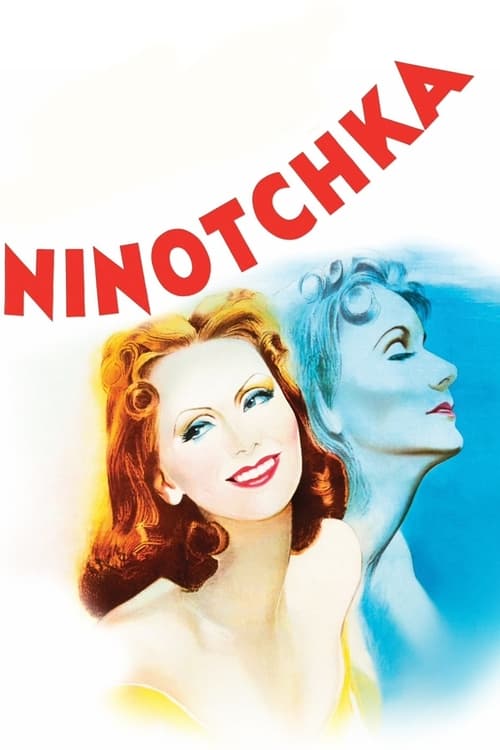
1939
No reviews yet. Be the first to share your thoughts on this movie!
Use the rating form above to leave a star rating and optional review.