Twisted Mistress
1942
No user ratings available yet
Representation score: 1.9 out of 10
Representation Score
Limited
1956
NRDirector
Mario Soldati
Runtime
97 minutes
Average Rating
No ratings yetNew Showbiz Analysis
The film examines the tension between individual autonomy and conservative societal norms through a localized conflict. It challenges mid-century moralities by focusing on personal necessity. Though the film lacks modern diversity in terms of racial and LGBTQ+ representation, it offers a meaningful critique of traditional social structures. The protagonists navigate complex situations to address personal needs.
Category Breakdown
The story revolves around a heterosexual relationship designed to fit societal norms. There are no LGBTQ+ characters or representations of non-straight identities.
Marie plays a significant role in driving the story by orchestrating a deception to protect her autonomy. Her actions challenge the traditional male-dominated household structure.
Set in 1950s Provence, the film reflects the predominantly white population of the time. There are no indications of a multi-ethnic cast or non-white characters.
The film critiques rigid social structures by presenting an unwed pregnancy and temporary bigamy as sympathetic struggles. It emphasizes situational ethics over strict communal rules.
The narrative does not mention any visible or invisible disabilities. Therefore, a score cannot be accurately assigned.
Present on Screen
Limited or Absent
Official Synopsis
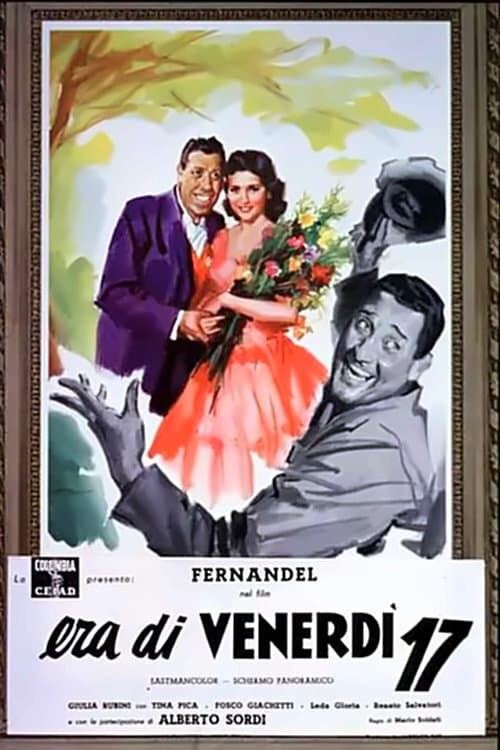
The Provence, somewhere in the 1950's. Paul Verdier, traveling salesman, leaves his home and his quarrelsome wife for his weekly round. On the train he meets a young woman, Marie, who looks a little lost. No wonder. Marie is pregnant but lacks the customary husband. She's returning to her village but is not exactly looking forward to the confrontation with her parents and the villagers, all pretty conservative people. After getting to know Paul a little better (for which there is ample time during the trip by train and bus) Marie decides to ask Paul to act as her husband, just to allay the suspicions of her family. After some hesitating Paul accepts, charmed by the girl and unaware of the complications such is bound to cause to his own life.
1942

2005
1956

1970
1954
1938

1936

1961
No reviews yet. Be the first to share your thoughts on this movie!
Use the rating form above to leave a star rating and optional review.