The Baker's Wife
1938
No user ratings available yet
Representation score: 1.2 out of 10
Representation Score
Fair
1937
ApprovedDirector
Jan Nowina-Przybylski, Joseph Green
Runtime
88 minutes
Average Rating
No ratings yetNew Showbiz Analysis
The Jester provides a culturally specific glimpse into Jewish life in Galicia. By focusing on a specific ethnic enclave and its unique folk traditions, it stands apart from mainstream Western cinema of its time. While the film offers meaningful representation of a non-Western community, it adheres to traditional social structures. The narrative follows conventional romantic arcs and does not challenge historical hierarchies or explore multiple layers of diversity.
Category Breakdown
The film does not include any LGBTQ+ characters or non-straight identities. The plot centers around a traditional love triangle involving Getzel, Esther, and a circus performer.
Esther gains some ability to act by escaping her father's arranged marriage. However, the story remains focused on traditional romantic dynamics and male emotional journeys.
The film offers significant cultural specificity by highlighting a Galician Jewish community. It avoids Western homogeneity by emphasizing this particular ethnic narrative.
The narrative explores communal morality and village life within a specific cultural context. It focuses on internal social dynamics rather than critiquing broader Western institutions.
There are no visible or invisible disabilities depicted within the main character arcs.
Present on Screen
Limited or Absent
Official Synopsis
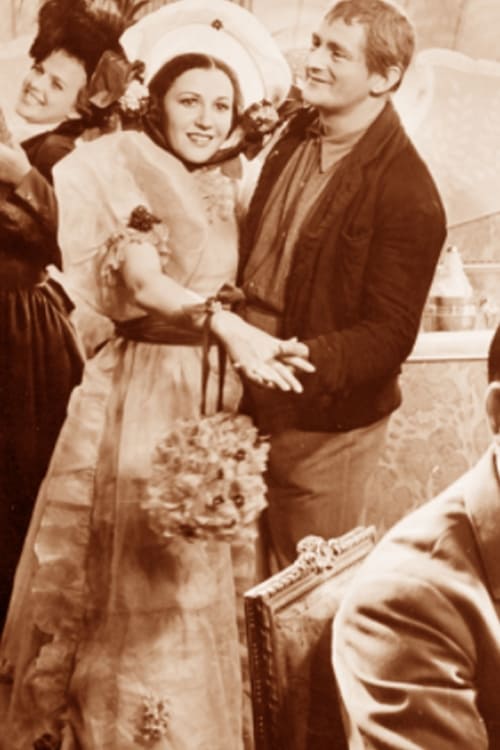
Getsel, a wandering Purim player, comes to a Galica village and gets a job with Reb Nuchem, the shoemaker. He falls in love with Esther, the shoemaker's daughter, but knows she is in love with a wandering circus player. However, Getzel is content in his work and dreams. Esther's father inherits a fortune and attempts to marry her to a man of his choice, but she flees with Getzel to Warsaw, where he meets and marries the circus player. Getzel returns to the village and is blamed for Esther's disappearance until she shows up and explains what happened. Getzel shoulders his pack and wanders on to another village.
1938
1928

1932

1955
1987

1927
1941
1957
No reviews yet. Be the first to share your thoughts on this movie!
Use the rating form above to leave a star rating and optional review.