Midnight Phantom
1935
No user ratings available yet
Representation score: 1.6 out of 10
Representation Score
Minimal
1937
ApprovedDirector
William Nigh
Runtime
70 minutes
Average Rating
No ratings yetNew Showbiz Analysis
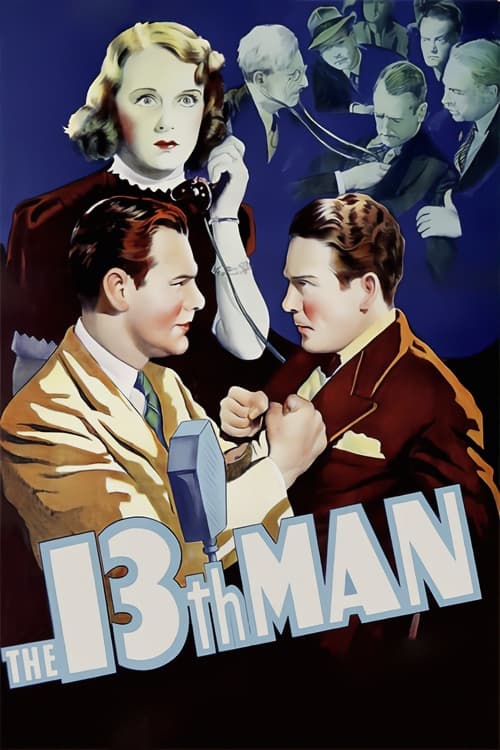
The 1937 mystery *The 13th Man* operates as a conventional genre piece that reinforces established social hierarchies. The narrative structure emphasizes the stability of state authority and the pursuit of justice through traditional investigative methods. By focusing on a District Attorney cleaning up a town, the film highlights masculine leadership and the preservation of Western legal institutions. The lack of complexity in representing various identities or subverting social norms is typical of the era's studio system.
Category Breakdown
The film does not include any characters with non-straight or non-cisgender identities. It adheres to the straight-centered social norms typical of 1937 mystery cinema.
The plot revolves around a 'tough' District Attorney, a role traditionally associated with masculine authority. The gender of the investigating reporters is not specified.
The film follows the homogeneous casting patterns common in 1930s studio productions. Characters of color are not given significant roles or ability to act.
The story upholds the sanctity of Western legal institutions and civic order. It focuses on the effectiveness of the law without challenging broader social structures.
The synopsis does not mention any characters with visible or invisible disabilities.
Present on Screen
Limited or Absent
Official Synopsis
A tough district attorney has been cleaning up the town, and has already imprisoned twelve dangerous criminals. As he is about to name the target for his next investigation, he is murdered in the midst of a crowd. The police have many suspects and hardly any clues, so two reporters decide to investigate for themselves.
1935

1940
1939

1949
1944
1948

1942
1946
No reviews yet. Be the first to share your thoughts on this movie!
Use the rating form above to leave a star rating and optional review.