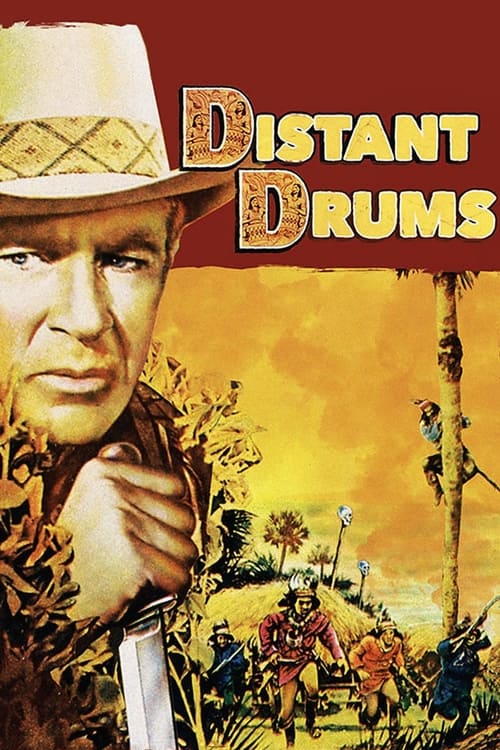
Distant Drums
1951
No user ratings available yet
Representation score: 0.6 out of 10
Representation Score
Minimal
1953
NRDirector
Lesley Selander
Runtime
89 minutes
Average Rating
No ratings yetNew Showbiz Analysis
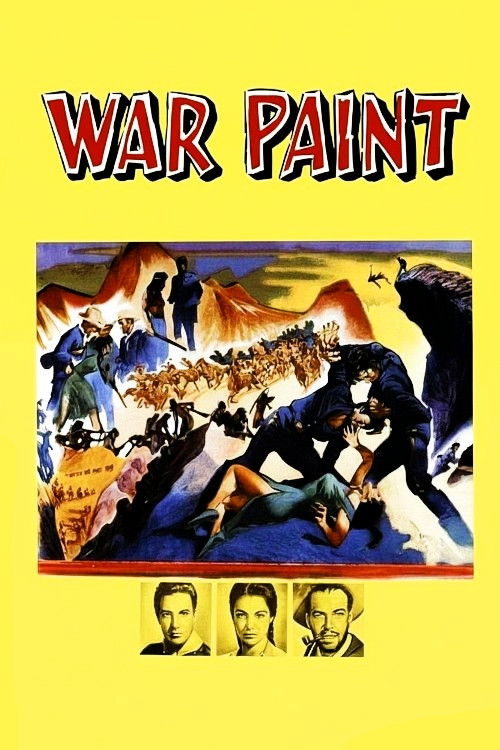
War Paint is a traditional 1950s Western that emphasizes genre clichés over authentic representation. The film relies on established social hierarchies, placing narrative ability to act primarily in male characters and focusing on the perspective of a white protagonist. While it includes Native American characters, the use of ethnic casting for key roles diminishes cultural authenticity. The production reinforces traditional gender roles and moral frameworks without offering any critique.
Category Breakdown
The film does not include any visible LGBTQ+ characters or explore queer relationships. It follows traditional heterosexual romantic structures typical of 1950s films.
The narrative focuses on the male protagonist, who holds significant power and ability to act. Female characters are confined to traditional feminine roles and romantic support.
The film features Native American actors but casts a Latina actress in a Native American role, which can be seen as a lack of authentic representation. The story centers around the experiences of the white protagonist.
The film upholds traditional 1950s moral values and frontier justice. It does not question established social orders, capitalism, or patriotism, maintaining a focus on conventional Western values.
There are no visible or implied disabilities among the characters. The narrative does not address characters with neurodivergence or mental health issues.
Present on Screen
Limited or Absent
Official Synopsis
An Indian and his beautiful sister attempt to destroy a cavalry patrol trying to deliver a peace treaty to their chief.
1951
1965
1926
1959
1953
1970

1966
1964
No reviews yet. Be the first to share your thoughts on this movie!
Use the rating form above to leave a star rating and optional review.