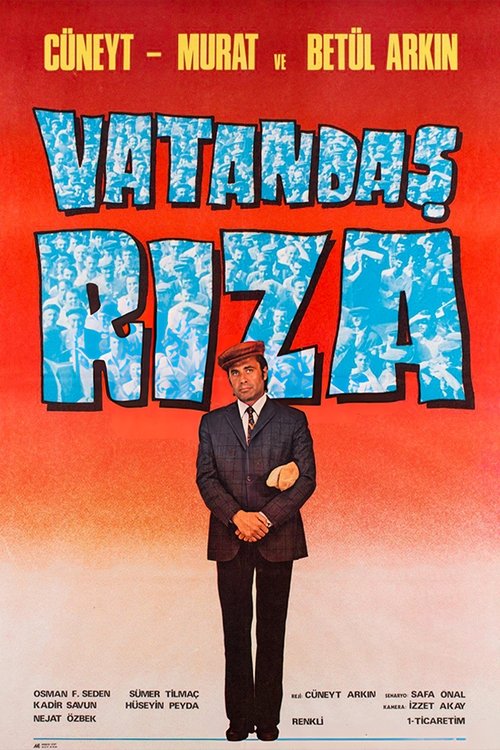
Vatandaş Rıza
1979
No user ratings available yet
Representation score: 2.6 out of 10
Representation Score
Fair
1961
Director
Ertem Göreç
Runtime
99 minutes
Average Rating
No ratings yetNew Showbiz Analysis
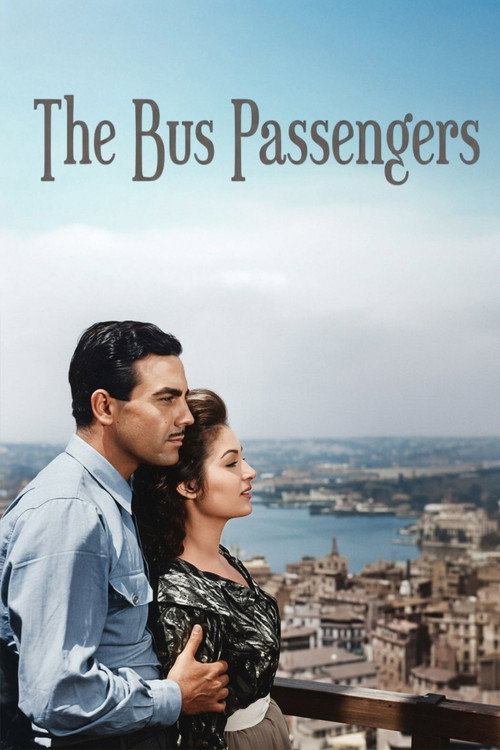
Otobüs Yolcuları is a foundational example of Turkish social realism, emphasizing the conflicts between social classes. Its strength lies in its critique of systemic exploitation and capitalist hierarchies. However, the film is limited by the traditional constraints of its time. It lacks representation of LGBTQ+ identities and provides minimal ability to act to female characters, who are confined by existing patriarchal structures. While it excels in portraying regional and class-based textures, it offers little visibility for disabilities or neurodivergent experiences, focusing instead on broader socioeconomic struggles.
Category Breakdown
The film follows the assumptions of 1961 Turkey, where everyone is considered straight and cisgender. There are no representations of LGBTQ+ identities or same-sex relationships.
Female characters have emotional depth but play minor roles in driving the story. They are constrained by the patriarchal and socioeconomic structures of the time.
The film showcases a range of regional identities, highlighting the tension between rural and urban working-class life. It avoids the uniformity found in studio films.
The story focuses on the struggle of the poor against corrupt institutions, presenting the moral conflict as a central theme.
There is no significant depiction of physical disabilities or neurodivergent conditions. Characters are primarily defined by their socioeconomic status and social roles.
Present on Screen
Limited or Absent
Official Synopsis
An example of social realism in Turkish cinema, the story follows a bus driver who takes side of the poor who has been exploited by a rich man with the promise of making new apartments for them.
1979

1958
1973
1984

1979

2016

1974
1980
No reviews yet. Be the first to share your thoughts on this movie!
Use the rating form above to leave a star rating and optional review.