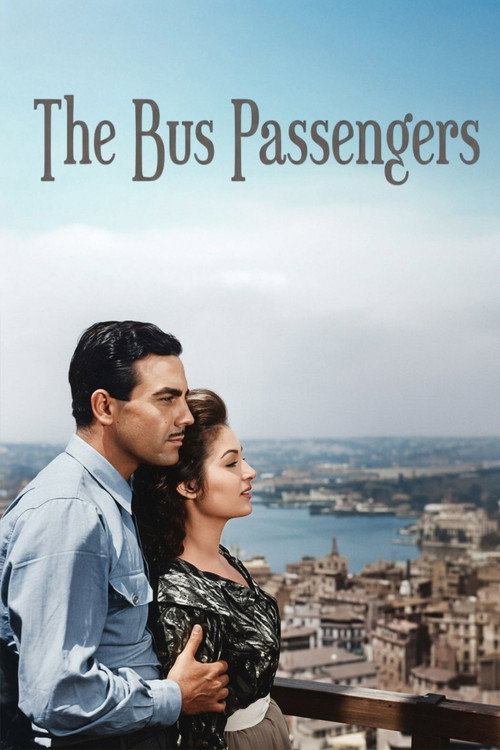
Otobüs Yolcuları
1961
No user ratings available yet
Diversity score: 4.4 out of 10

1955
Director
Tawfiq Saleh
Runtime
88 minutes
Average Rating
No ratings yetSynopsis
The first film by director Tawfik Saleh, Fools’ Alley is considered one of the most important Egyptian films of the ‘50s – a success very much dependent on a story by Naguib Mahfouz. In an archetypal Egyptian neighborhood, Taha works hard to put aside enough money to marry his beloved Khadija, but when the necessary funds suddenly become available there is an unexpected turn of events. The life of the entire neighborhood is turned upside down and the true colors of its inhabitants are revealed.
Overall Score
Fair
Category Breakdown
LGBTQ+ Representation
The film lacks any evidence of queer narratives or non-heteronormative identities. The central romance follows a traditional courtship structure between Khadiga and Taha.
Gender Representation
Khadiga provides female-driven motivation through her economic aspirations. However, the plot remains largely dictated by male characters, leaving her as a recipient of circumstance rather than a primary driver.
Racial & Ethnic Diversity
The film offers a culturally specific Middle Eastern perspective on social stratification. It avoids Western-centric tropes by focusing on local community structures and the impact of wealth.
Religious & Cultural Diversity
The narrative critiques traditional institutions by portraying religious authority as a source of friction. The father's actions serve as a catalyst for the protagonists' hardships.
Disability Representation
The 'town's fool' utilizes a traditional trope that risks using perceived intellectual disability as a mere plot device. It is unclear if this character possesses true agency.
Strengths
Areas for Improvement
AI Analysis
The film functions as a social drama centered on class struggle and the volatility of social hierarchies in mid-century Egypt. It provides a valuable non-Western perspective on how sudden wealth can disrupt established community structures and social order. While the film critiques religious rigidity and traditional authority, it lacks modern intersectional complexity. The narrative relies on established tropes, particularly regarding the character of the fool, which limits its depth in terms of identity-based representation. Ultimately, the work is a study of social realism rather than intentional identity subversion, focusing more on the friction between class and luck than on diverse character identities.
1961
1977

2005
1994

1974
2011
1987
1962
1950
1968
1965
1991
No reviews yet. Be the first to share your thoughts on this movie!
Use the rating form above to leave a star rating and optional review.