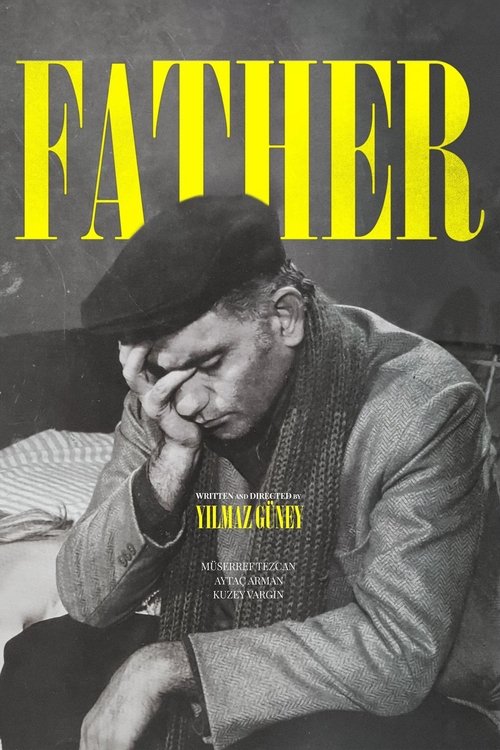
The Father
1971
No user ratings available yet
Representation score: 3.0 out of 10
Representation Score
Limited
1980
Director
Zeki Ökten
Runtime
125 minutes
Average Rating
No ratings yetNew Showbiz Analysis
The film is a heavy work of social realism that prioritizes systemic critique over individual identity politics. It succeeds in deconstructing power structures by showing how economic failure strips a man of his dignity. While the film lacks representation for LGBTQ+ identities or disabilities, it provides a sophisticated look at class and the failures of the state. The narrative replaces the traditional hero with a victim of institutional neglect. Ultimately, the film's strength lies in its ability to use a personal struggle to highlight broader, systemic injustices within the Turkish social contract.
Category Breakdown
The film focuses entirely on socioeconomic survival and class struggle. There are no LGBTQ+ characters or non-straight identities present in the narrative.
Female characters such as the wife and daughter drive the protagonist's motivations but lack autonomy. The wife's departure reinforces traditional expectations of the male provider.
The film explores internal Turkish social stratification and regional dynamics. It avoids idealized nationalism to provide a grounded portrayal of the underrepresented working class.
The story offers a sharp critique of socioeconomic institutions and capitalist structures. It explores moral decay through the protagonist's grim work within a failing social order.
There is no prominent depiction of visible or invisible disabilities driving the narrative.
Present on Screen
Limited or Absent
Official Synopsis
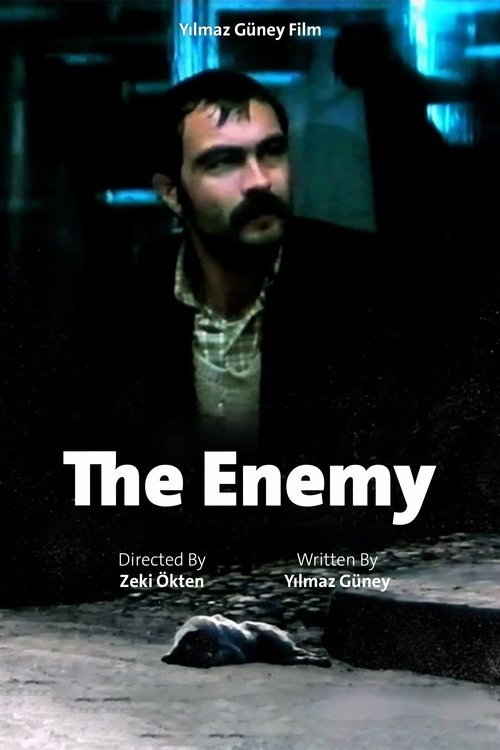
Ismail (Aytac Arman) is the educated Turk who travels to Asia from Istanbul to escape crushing unemployment in this somber social drama. With an ailing mother-in-law, a bitter wife, and a pretty young daughter to support, he takes a job as a dog killer. Ismail is saddened to see young women his daughter's age forced into prostitution. When he returns home to ask his father and brother for an advance on his inheritance, his wife leaves him. The enemy in question refers to unemployment.
1971

1961

1975

1958

2012

1985
1954
1972
No reviews yet. Be the first to share your thoughts on this movie!
Use the rating form above to leave a star rating and optional review.