
Song of the Sea
1953
No user ratings available yet
Representation score: 6.1 out of 10
Representation Score
Good
1962
Director
Fernando Birri
Runtime
87 minutes
Average Rating
No ratings yetNew Showbiz Analysis
Fernando Birri’s work serves as a vital example of social realism, focusing on class-based struggles. By centering a displaced family, the film challenges dominant social hierarchies and institutional neglect. The film excels in its systemic critique, shifting the cinematic focus to the underrepresented provincial working class. However, the focus on material conditions and class struggle results in a lack of representation for LGBTQ+ identities and specific disability narratives.
Category Breakdown
The film focuses on socio-economic survival and class dynamics. There are no LGBTQ+ character arcs or representations of non-straight identities.
Women in the film are portrayed as resilient and essential to the survival of their impoverished family. They play a central role in domestic labor and the family's survival.
The film highlights the rural working class of the Santa Fe province. It disrupts traditional cinematic focuses by emphasizing the vulnerability of non-elite populations.
The story critiques systemic failures and institutional indifference. It emphasizes the collective struggle and shared experiences of the oppressed.
There are no specific details about neurodivergence or physical disabilities. However, the film explores the bodily vulnerability caused by extreme poverty and harsh environmental conditions.
Present on Screen
Limited or Absent
Official Synopsis
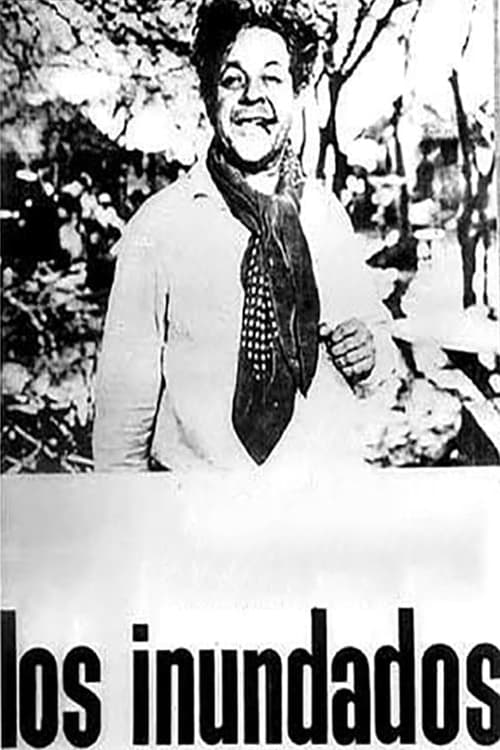
Tells the story of a poor family, inhabitants of the southern province of Santa Fe, who is forced to move into an abandoned railroad until waters recede Salado river wagon.
1953
1963
1988

2001

1958
1959
1972

1970
No reviews yet. Be the first to share your thoughts on this movie!
Use the rating form above to leave a star rating and optional review.