
Autumn
2008
No user ratings available yet
Representation score: 3.1 out of 10
Representation Score
Fair
1997
Director
Zeki Demirkubuz
Runtime
110 minutes
Average Rating
No ratings yetNew Showbiz Analysis
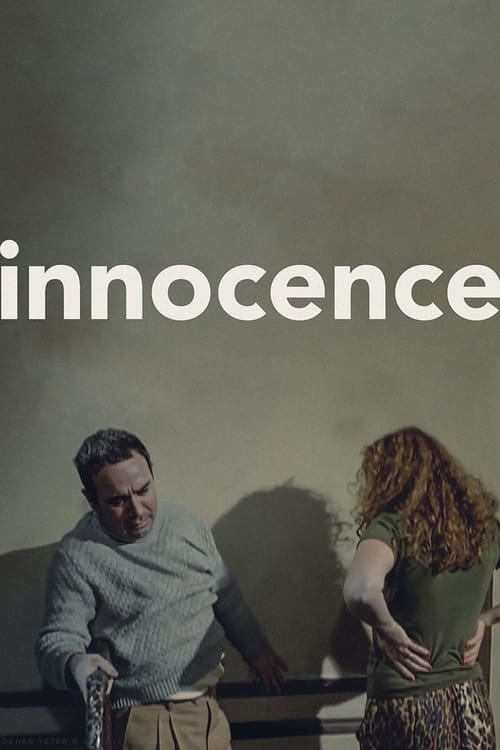
Innocence is a work of psychological realism that prioritizes existential inquiry over demographic representation. It steers clear of traditional, moralistic Western storytelling in favor of a gritty, subjective exploration. The film's strength lies in its disruption of conventional narrative expectations. It replaces heroic or stable archetypes with complex, morally ambiguous individuals navigating a fractured social reality. While the film scores low in traditional metrics like LGBTQ+ visibility, it gains merit for its cultural specificity and its refusal to rely on clear-cut good or evil archetypes.
Category Breakdown
The film does not include any LGBTQ+ characters or those with non-conforming gender identities. The story revolves around obsessive and dysfunctional relationships between the main characters.
Gender roles are explored through destructive psychological fixations. Female characters like Çiçek provide nuanced complexity, but they are often overshadowed by the dominating influence of male protagonists.
This urban Turkish drama focuses on a specific Istanbul setting. It offers a non-Western perspective by highlighting a localized socioeconomic and cultural context.
The story rejects traditional morality in favor of existential realism. It depicts fragmented social structures and characters living on the outskirts of society through a lens of moral relativism.
There is no direct representation of physical or sensory disabilities. However, the film delves deeply into mental health and psychological instability as central existential themes.
Present on Screen
Limited or Absent
Official Synopsis
Yusuf is released from prison after serving a ten year sentence. Because of unexpected problems at his sister’s house, he finds himself in a cheap hotel where he meets a man, a woman, and a child who will change his life in unexpected ways…
2008
1982

2017
1994

1999
2008
1987

2003
No reviews yet. Be the first to share your thoughts on this movie!
Use the rating form above to leave a star rating and optional review.