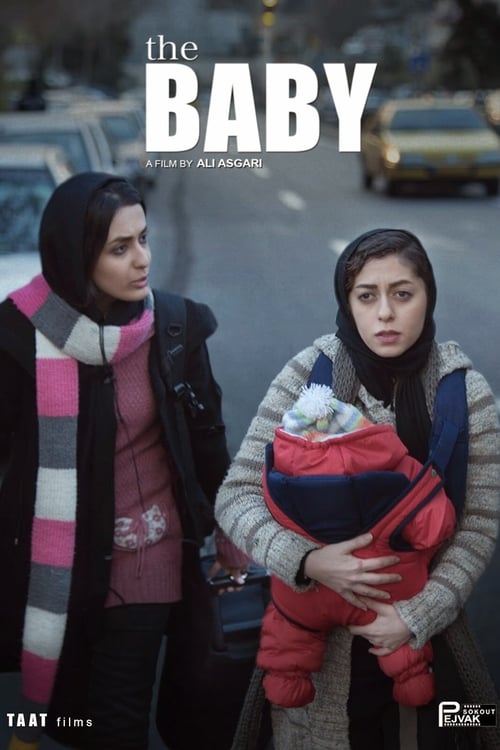
The Baby
2014
No user ratings available yet
Representation score: 5.9 out of 10
Representation Score
Good
1966
Director
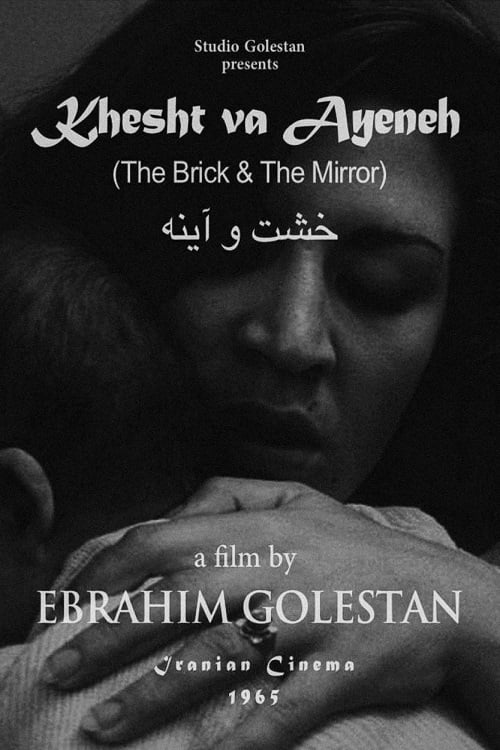
Ebrahim Golestan
Runtime
131 minutes
Average Rating
No ratings yetNew Showbiz Analysis
Ebrahim Golestan’s film is a sophisticated example of cinematic modernism that prioritizes intellectual subversion over diverse representation. It excels in cultural representation by challenging Westernized structures and exploring the alienation caused by rapid urbanization. While the film lacks explicit LGBTQ+ or disability representation, it offers progressive value through its deconstruction of traditional stability. The narrative focuses on moral ambiguity and the psychological disintegration of individuals in a changing society. Ultimately, the film serves as a significant cultural artifact of the Iranian New Wave, using a localized lens to address the tensions of modernization.
Category Breakdown
The film does not explicitly depict LGBTQ+ identities or non-straight relationships. The story focuses on the domestic tension between Hashem and Taji.
The film challenges traditional gender roles by emphasizing psychological ability to act. Taji’s emphasis on motherhood contrasts with Hashem’s desire to abandon the child, questioning the idea of the stable male provider.
The cast is ethnically uniform, reflecting the film’s Iranian setting. However, the film asserts a unique national identity that resists Western influence through its local cinematic language.
The narrative critiques Western-influenced modernization, portraying the urban environment as a source of fragmentation and psychological stress.
The film does not show physical or sensory disabilities but uses mental fragmentation and existential alienation as metaphors for societal decay.
Present on Screen
Limited or Absent
Official Synopsis
Hashem is a cab driver who finds an infant child in the back seat of his cab one night after he gives a ride to a young woman. Hashem and his girlfriend, Taji, try to cope with this unwanted child. Hashem insists on getting rid of the child, Taji on keeping him.
2014
1989
2014
1961
1966
1961
1966
1995
No reviews yet. Be the first to share your thoughts on this movie!
Use the rating form above to leave a star rating and optional review.