
Umut
2009
No user ratings available yet
Representation score: 5.0 out of 10
Representation Score
Good
1996
Director
Derviş Zaim
Runtime
76 minutes
Average Rating
No ratings yetNew Showbiz Analysis
Derviş Zaim’s film is a significant work of postmodern Turkish cinema that prioritizes stylistic exploration over broad demographic representation. It succeeds in deconstructing traditional social hierarchies by centering a underrepresented individual within the chaotic landscape of Istanbul. However, the film lacks explicit representation of LGBTQ+ identities or significant women's ability to drive the story. The narrative structure remains largely focused on a singular, male-driven experience of socioeconomic instability. Ultimately, the work achieves its impact through its nuanced portrayal of class-based identity and its rejection of Western-centric storytelling, even if it does not explicitly represent various identity groups.
Category Breakdown
The film centers on the protagonist's struggle with homelessness and his involvement with stolen cars. It does not feature any explicit LGBTQ+ characters or narratives focused on non-straight identities.
The story primarily revolves around the male experience of urban survival. It lacks significant female influence or subversion of gender power dynamics, focusing instead on a solitary male's journey.
Set in Istanbul, the film offers a localized, non-Western perspective on urban decay. It avoids a Western-centric viewpoint by focusing on a non-Anglo-Saxon urban struggle.
The film challenges traditional social order by presenting car theft as a survival mechanism rather than a moral failing. It questions established institutions through a postmodern, somewhat nihilistic view of urban life.
The film does not specifically address clinical disabilities. The protagonist's homelessness highlights socioeconomic vulnerability, but these elements serve more as atmospheric noir components.
Present on Screen
Limited or Absent
Official Synopsis
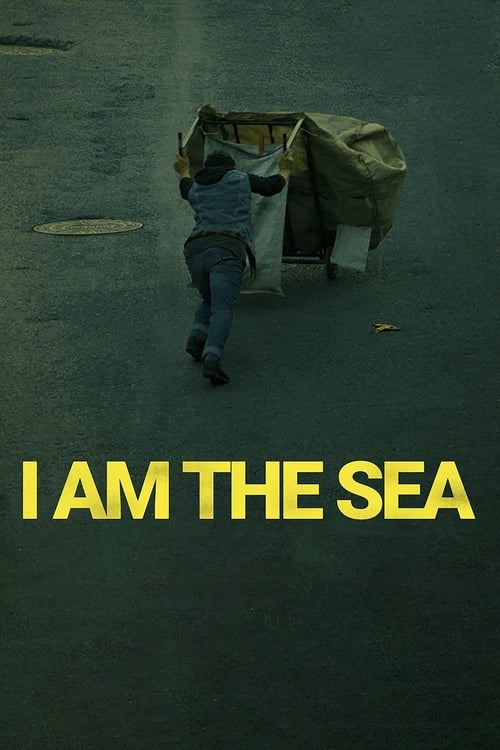
Mahsun Supertitiz is an unemployed homeless man who steals cars at night so that he can sleep in a heated place during the winter. Mahsun lives in Rumelihisar, an old section of Istanbul, and makes ends meet by getting the local fishermen to help him. Mahsun loves the cars he robs, cleans and polishes them, and drives them through the streets of Rumelihisar during the daytime.
2009
1995

2022
1961
2007

2009
2020

2012
No reviews yet. Be the first to share your thoughts on this movie!
Use the rating form above to leave a star rating and optional review.