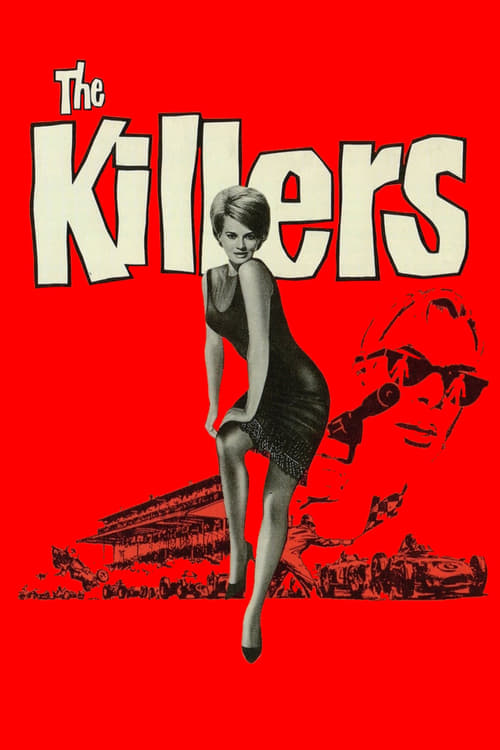
The Killers
1964
No user ratings available yet
Representation score: 2.5 out of 10
Representation Score
Minimal
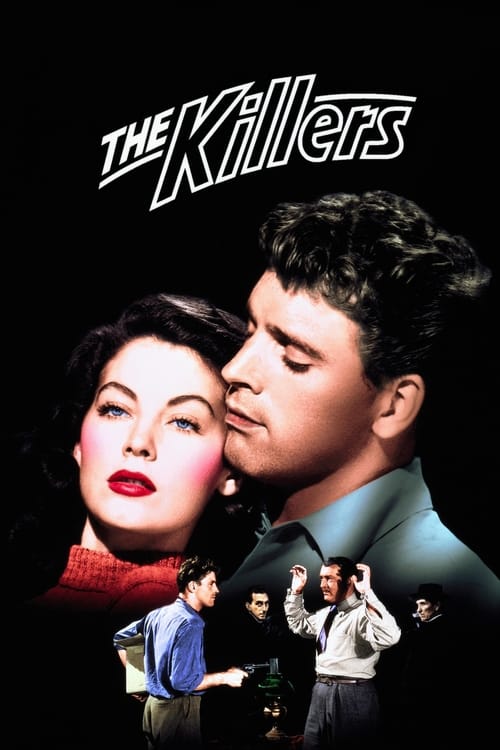
1946
ApprovedDirector
Robert Siodmak
Runtime
103 minutes
Average Rating
No ratings yetNew Showbiz Analysis
The Killers is a masterpiece of film noir that centers on existential fatalism rather than social diversity. It excels in psychological character studies, particularly by subverting traditional heroic narratives. However, the film remains confined to the conventions of its time, featuring a racially uniform social environment and a strictly straight-centered narrative structure. It lacks characters who reflect more than one aspect of diversity and focuses on individual morality rather than broader social critiques.
Category Breakdown
The film does not include any LGBTQ+ characters or themes. It operates within an assumption that everyone is straight and cisgender.
The film features a female lead who exerts psychological influence through deception and allure, embodying the femme fatale archetype. However, her role is often limited to manipulation and seduction.
The cast is primarily white and Anglo-Saxon, reflecting the homogeneity typical of the film industry in 1946. Non-white or non-Anglo-Saxon characters are notably absent.
The story focuses on moral relativism and individual psychological struggles, avoiding a systemic critique of Western institutions or diverse cultural backgrounds.
There are no characters with visible or invisible disabilities. The characters are defined by their roles in crime or investigation rather than by physical or neurodivergent conditions.
Present on Screen
Limited or Absent
Official Synopsis
Two hit men walk into a diner asking for a man called "the Swede". When the killers find the Swede, he's expecting them and doesn't put up a fight. Since the Swede had a life insurance policy, an investigator, on a hunch, decides to look into the murder. As the Swede's past is laid bare, it comes to light that he was in love with a beautiful woman who may have lured him into pulling off a bank robbery overseen by another man.
1964
1949
1955
1942
1948
1944
1948
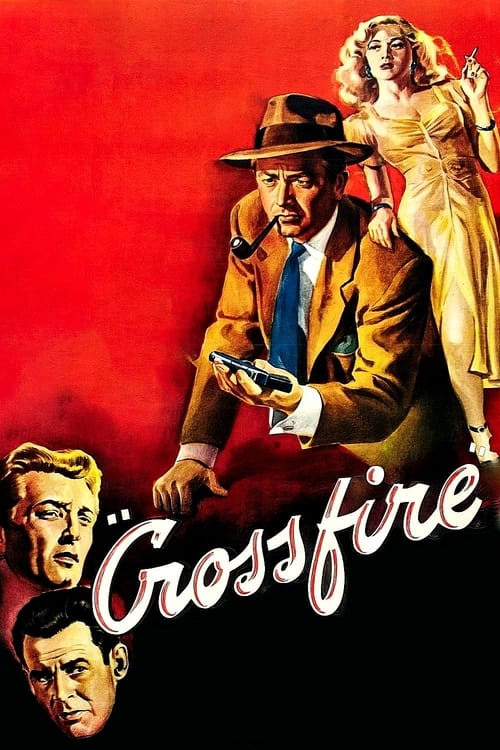
1947
No reviews yet. Be the first to share your thoughts on this movie!
Use the rating form above to leave a star rating and optional review.