
The Lady from Shanghai
1947
No user ratings available yet
Representation score: 1.4 out of 10
Representation Score
Fair
1941
ApprovedDirector
John Huston
Runtime
100 minutes
Average Rating
No ratings yetNew Showbiz Analysis
The film excels as a masterclass in noir cynicism, prioritizing a complex, relativistic worldview over traditional morality. It challenges standard ethical structures by placing characters in a moral gray area driven by greed and self-interest. While the film offers sophisticated psychological combat, it remains tethered to the demographic norms of its era. The absence of racial and LGBTQ+ representation limits its breadth, focusing instead on a narrow, homogeneous social spectrum. Ultimately, the work succeeds as a character study of survival and deception, even if it lacks modern demographic inclusivity.
Category Breakdown
The film adheres to a structure that assumes everyone is straight or cisgender. Romantic tensions and interpersonal dynamics center around the male protagonist and female characters.
Women play a significant role in driving the story, especially Brigid O'Shaughnessy. However, the film does not pass the Bechdel test because female characters' interactions revolve around the male lead.
The cast is primarily white and Anglo-Saxon, reflecting the social norms of 1941. The urban setting lacks characters from diverse ethnic or racial backgrounds.
The narrative explores moral relativism and criticizes capitalist greed. It emphasizes personal codes and situational survival over strict religious or legal institutions.
There is no significant depiction of physical or neurodivergent disabilities. Characters are defined by their functional roles within the crime genre.
Present on Screen
Limited or Absent
Official Synopsis
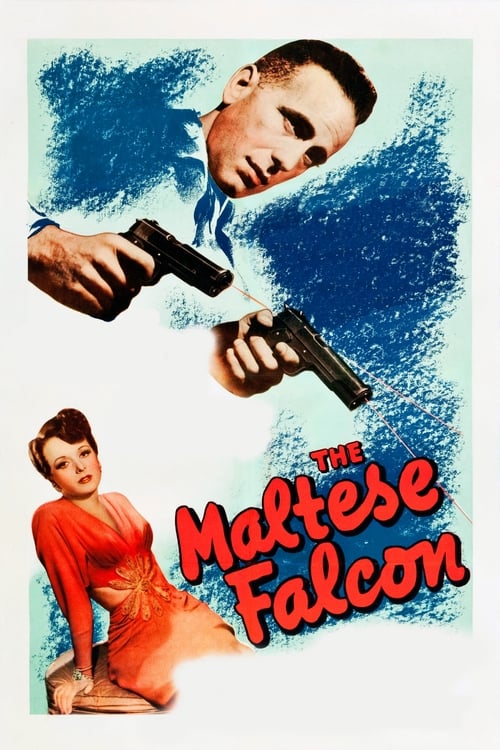
A private detective takes on a case that involves him with three eccentric criminals, a beautiful liar, and their quest for a priceless statuette.
1947
1942
1931
1944

1948

1942
1946
1952
No reviews yet. Be the first to share your thoughts on this movie!
Use the rating form above to leave a star rating and optional review.