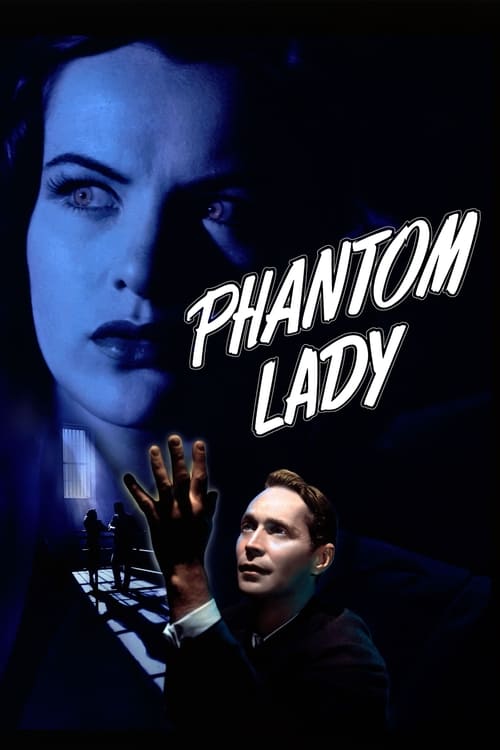
Phantom Lady
1944
No user ratings available yet
Representation score: 1.6 out of 10
Representation Score
Minimal
1942
NRDirector
Stuart Heisler
Runtime
85 minutes
Average Rating
No ratings yetNew Showbiz Analysis
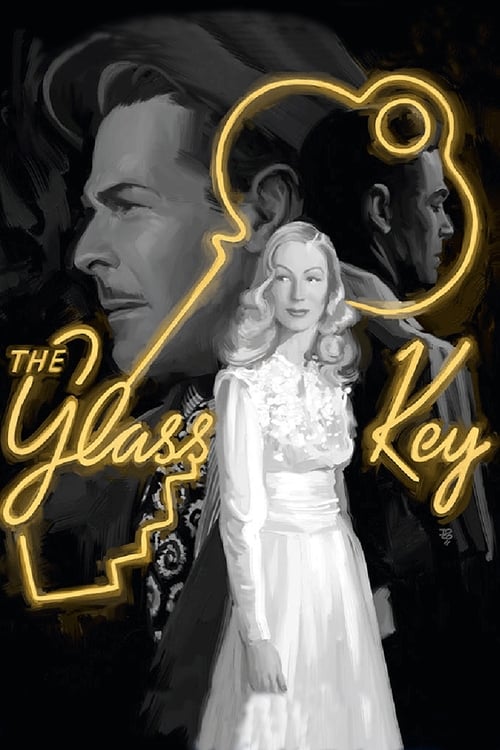
The Glass Key is a quintessential product of its era, defined by a lack of racial and LGBTQ+ diversity. The cast is largely homogeneous, adhering to the mainstream studio standards of the early 1940s. However, the film finds depth through its cynical deconstruction of power. By framing political and legal structures as sites of corruption, the story challenges the idea that authority is inherently righteous. While it fails to meet modern standards of diversity, the film's exploration of moral ambiguity and the 'political machine' provides a sophisticated look at power dynamics.
Category Breakdown
The film does not include any LGBTQ+ characters or identities that go beyond the assumption that everyone is straight or cisgender. The social framework aligns strictly with the straight-centered standards of 1942.
Female characters like Janet Henry use the femme fatale archetype to influence the plot. However, their roles are often tied to the investigative needs of the male protagonists.
The cast is predominantly white and homogeneous, reflecting the systemic lack of diverse representation in 1940s studio productions. There is no intentional ethnic diversity present.
The narrative sharply criticizes political corruption and the urban machine. It portrays legal institutions as compromised, favoring moral relativism over institutional sanctity.
There are no prominent depictions of visible or invisible disabilities that drive the narrative or provide character depth.
Present on Screen
Limited or Absent
Official Synopsis
A crooked politician finds himself being accused of murder by a gangster from whom he refused help during a re-election campaign.
1944

1942
1941

1930
1935
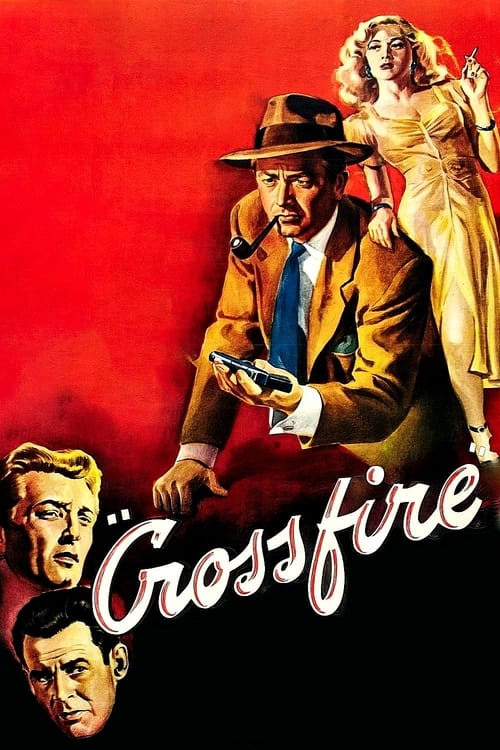
1947

1947

1948
No reviews yet. Be the first to share your thoughts on this movie!
Use the rating form above to leave a star rating and optional review.