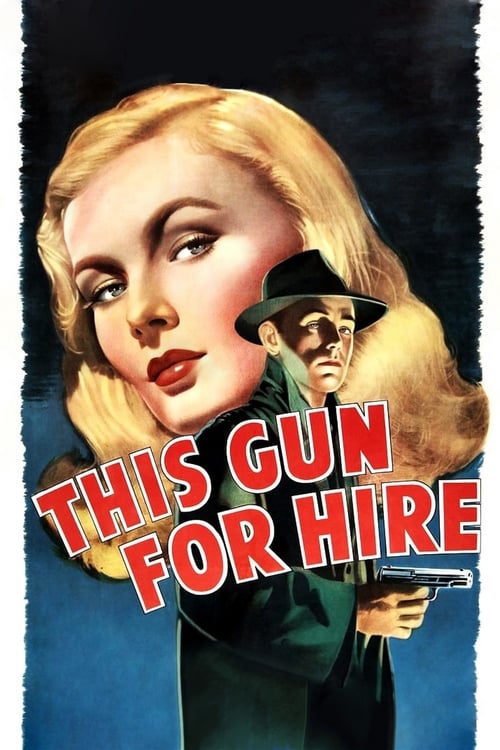
This Gun for Hire
1942
No user ratings available yet
Representation score: 0.5 out of 10
Representation Score
Limited
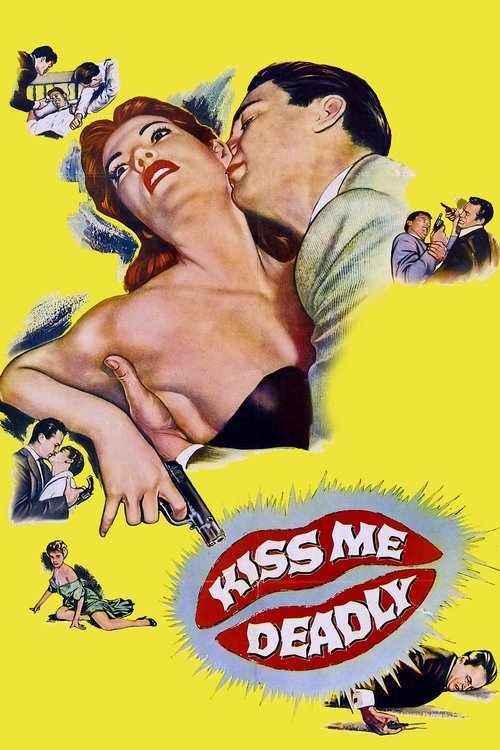
1955
ApprovedDirector
Robert Aldrich
Runtime
106 minutes
Average Rating
No ratings yetNew Showbiz Analysis
Kiss Me Deadly presents a contradictory mix, failing to meet modern standards for demographic representation while pushing thematic boundaries. It serves as a bleak reflection of its time, offering little visibility for LGBTQ+ individuals or people of color. However, the film finds its strength in its cynical worldview. By dismantling the stability of mid-century social norms and questioning institutional morality, it moves beyond typical genre conventions. Ultimately, the work is defined by its nihilistic outlook. It trades the comfort of traditional Western progress for a terrifying glimpse into systemic decay and existential dread.
Category Breakdown
The film follows strict mid-1950s noir traditions, lacking any visible presence of LGBTQ+ identities or same-sex intimacy. It focuses solely on heterosexual tension.
Mike Hammer embodies aggressive masculine traits, while Velda stands out due to her competence, challenging the damsel-in-distress cliché. However, the story remains centered on the male perspective and investigation.
The cast is predominantly white and uniform, reflecting the constraints of the era. Characters of color have limited roles and visibility within the story.
The film criticizes the military-industrial complex and nuclear power, replacing traditional patriotic ideals with a deep distrust of authority and systemic issues.
Mental instability is used as a plot device through the character Christina, treating neurodivergence as a source of narrative tension rather than nuanced representation.
Present on Screen
Limited or Absent
Official Synopsis
One evening, Hammer gives a ride to Christina, an attractive hitchhiker on a lonely country road, who has escaped from the nearby lunatic asylum. Thugs waylay them and force his car to crash. When Hammer returns to semi-consciousness, he hears Christina being tortured until she dies. Hammer, both for vengeance and in hopes that "something big" is behind it all, decides to pursue the case.
1942
1964
1948
1946
1975
1947
1971
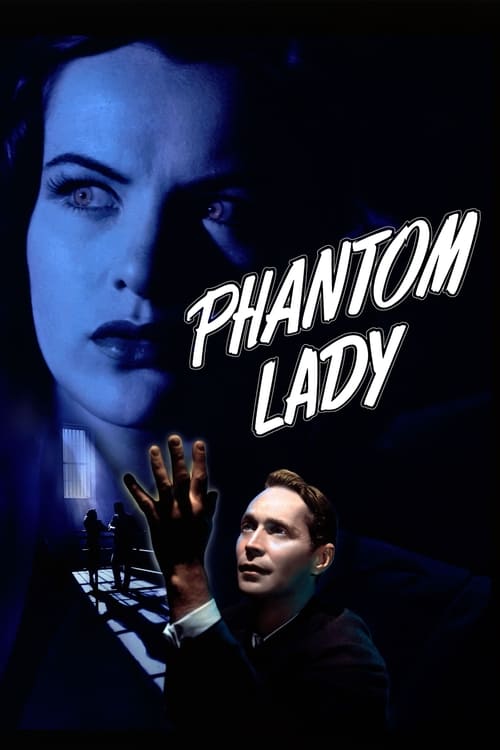
1944
No reviews yet. Be the first to share your thoughts on this movie!
Use the rating form above to leave a star rating and optional review.