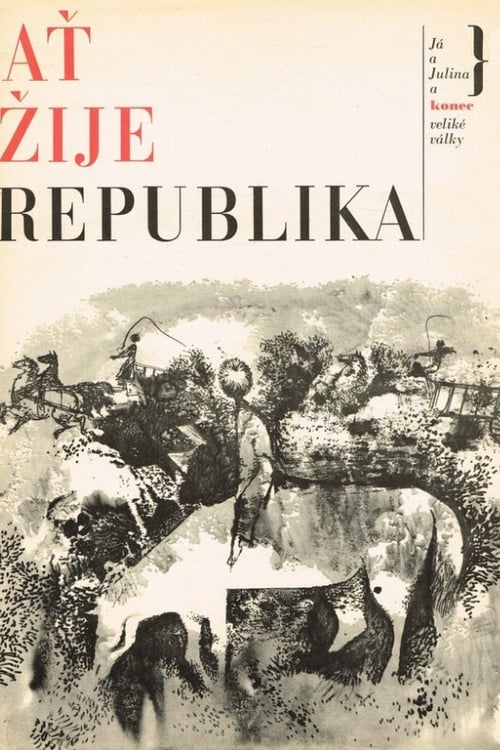
Long Live the Republic
1965
No user ratings available yet
Diversity score: 5.4 out of 10
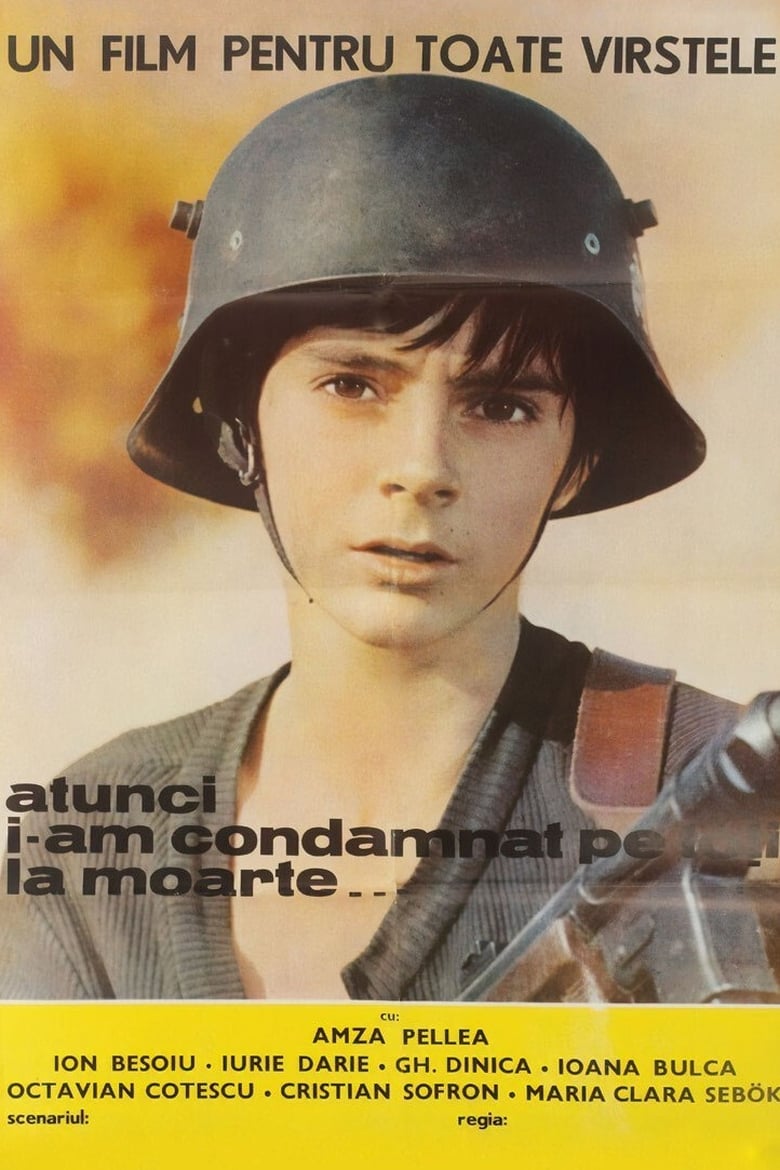
1972
Director
Sergiu Nicolaescu
Runtime
103 minutes
Average Rating
No ratings yetSynopsis
A young boy is adopted by a priest and his wife during the Nazi occupation of Romania during the Second World War. He befriends the village idiot, who's despised by everyone else. When a German is killed in the last days of the war, the village is threatened with total destruction unless the murderer is handed over. The villagers decide to hand over the idiot.
Overall Score
Fair
Category Breakdown
LGBTQ+ Representation
The film lacks explicit LGBTQ+ characters or narratives. The story focuses on traditional nuclear and communal structures within a wartime Romanian village.
Gender Representation
The narrative follows a patriarchal framework centered on a priest and village hierarchy. While a wife plays a central role in the adoption, her character appears tied to traditional domesticity.
Racial & Ethnic Diversity
Set during the Nazi occupation of Romania, the film explores ethnic tension between locals and German forces. The conflict highlights the presence of the occupier as a racialized other.
Religious & Cultural Diversity
The film critiques communal morality by showing a village that sacrifices a marginalized individual to satisfy an occupying power. It deconstructs the idea of a virtuous community under pressure.
Disability Representation
The 'village idiot' serves as a central pivot for the plot. His status as a scapegoat is used to expose the moral failings of the able-bodied majority.
Strengths
Areas for Improvement
AI Analysis
Sergiu Nicolaescu’s drama offers a grim look at how social cohesion collapses under systemic pressure. It succeeds by using a marginalized character to critique the cruelty of the collective, providing a sophisticated look at institutional corruption. However, the film adheres to traditional social hierarchies. It lacks modern intersectional representation, particularly regarding gender roles and non-heteronormative identities, which limits its scope of diversity. Ultimately, the work is a powerful historical critique. It trades conventional heroism for a study of how power dynamics and existential threats can turn a community against its most vulnerable members.
1965
1967
1954
2006
1959
2006
1943
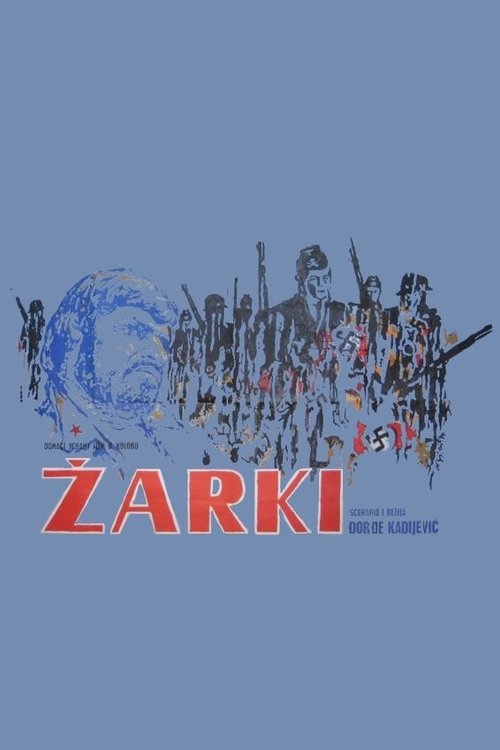
1970
1967
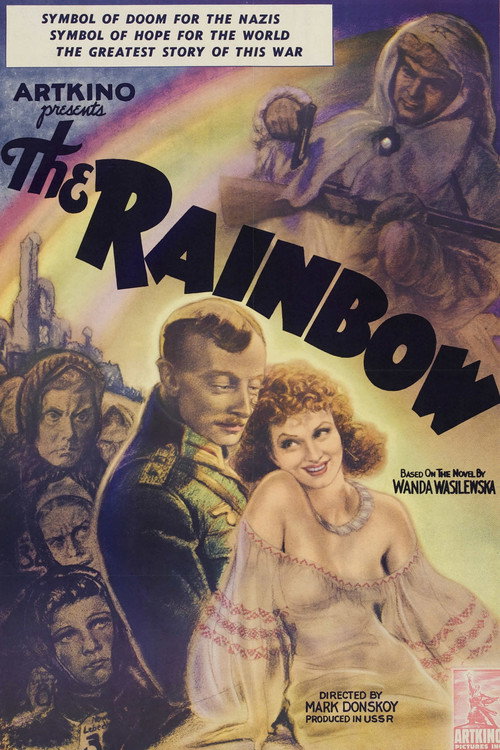
1944
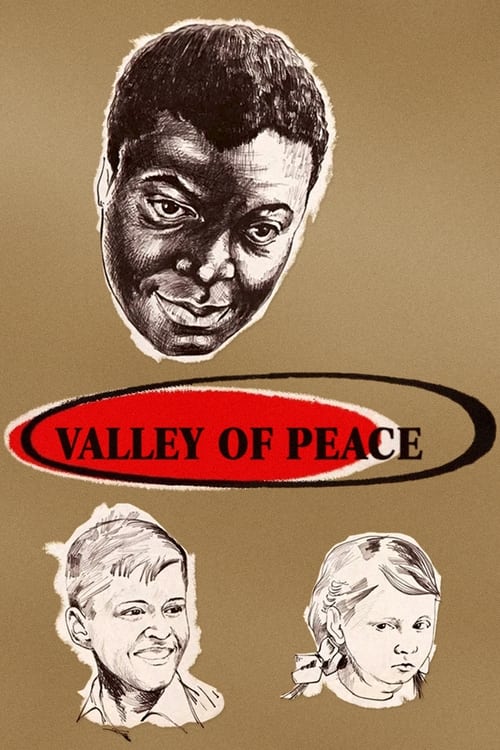
1956
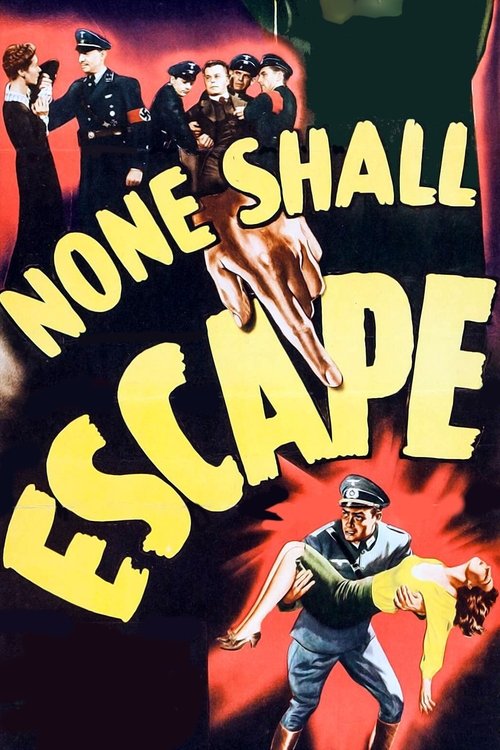
1944
No reviews yet. Be the first to share your thoughts on this movie!
Use the rating form above to leave a star rating and optional review.