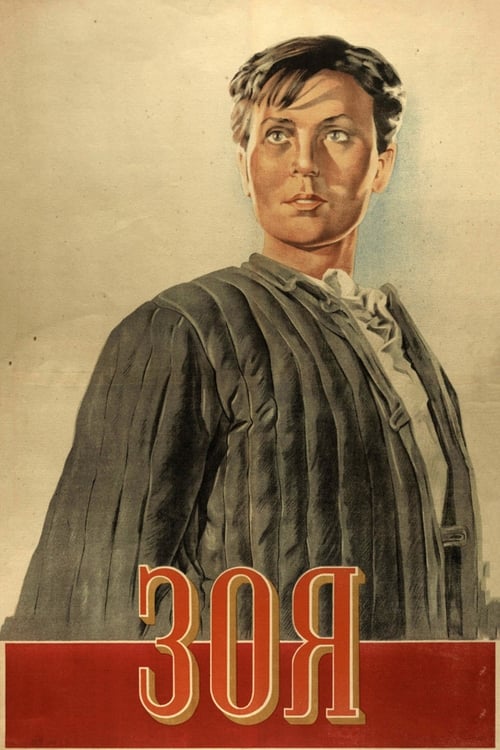
Zoya
1944
No user ratings available yet
Representation score: 3.8 out of 10
Representation Score
Good
1943
Director
Fridrikh Ermler
Runtime
74 minutes
Average Rating
No ratings yetNew Showbiz Analysis
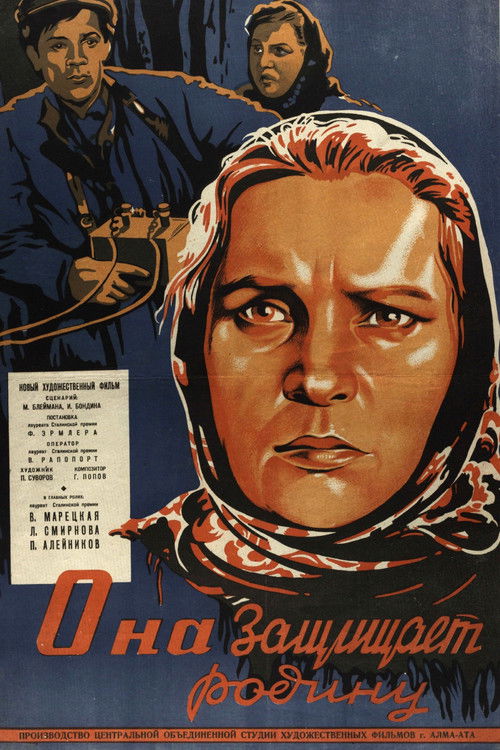
No Greater Love stands out for its subversion of gendered expectations. By centering Pasha as a tactical leader rather than a domestic figure, the film challenges traditional clichés of female victimhood during wartime. The narrative also succeeds in portraying a multi-ethnic resistance. This approach avoids a monolithic identity, instead showcasing a diverse collective mobilized against a common enemy. However, the film lacks representation for LGBTQ+ identities and characters with disabilities. The focus remains strictly on the immediate, state-driven exigencies of the conflict.
Category Breakdown
The film focuses entirely on wartime survival and collective defense. There is no presence of queer identities or non-assuming gender matches what was assigned at birth subtext within the narrative.
Pasha evolves from a grieving victim into a decisive partisan leader, disrupting traditional hierarchies. The film highlights women's significant roles and physical strength.
The partisan units reflect the multi-ethnic composition of the Soviet Union. This diverse cast presents a unified front of various backgrounds against the occupier.
The story prioritizes communal, state-aligned morality over individualist frameworks. Religious institutions are absent, replaced by a secular ideological commitment to the partisan cause.
Characters with disabilities are not featured as central figures. Disability appears only as a byproduct of wartime violence rather than a tool for character development.
Present on Screen
Limited or Absent
Official Synopsis
The first day of the war brings tragedy to a peasant woman, Pasha. Her husband and her toddler son die before her eyes. She and the other villagers leave to go into the woods. Pasha leads the villagers to fight some German troops. Coming out victories, the partisans become a feared opponent of the Germans, with the leadership of Comrade P.
1944
1977
1954
1962
1970
2016
1945
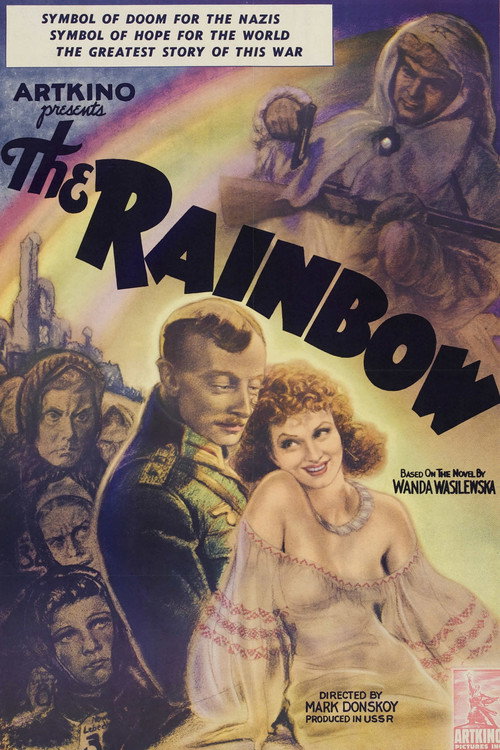
1944
No reviews yet. Be the first to share your thoughts on this movie!
Use the rating form above to leave a star rating and optional review.