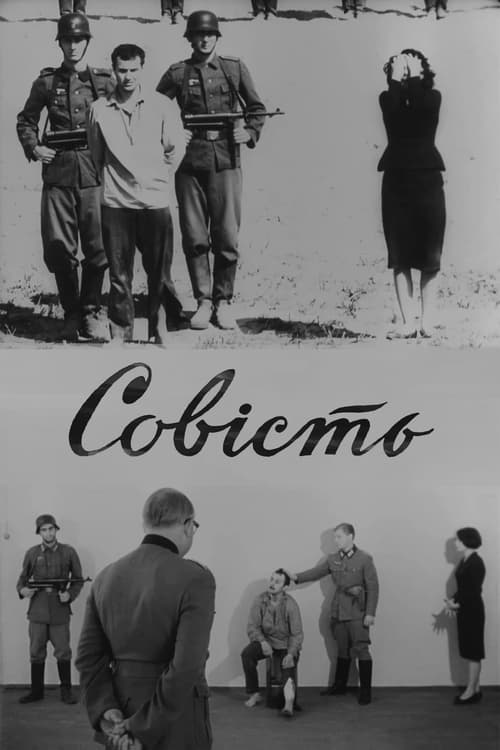
Conscience
1968
No user ratings available yet
Representation score: 4.5 out of 10
Representation Score
Fair
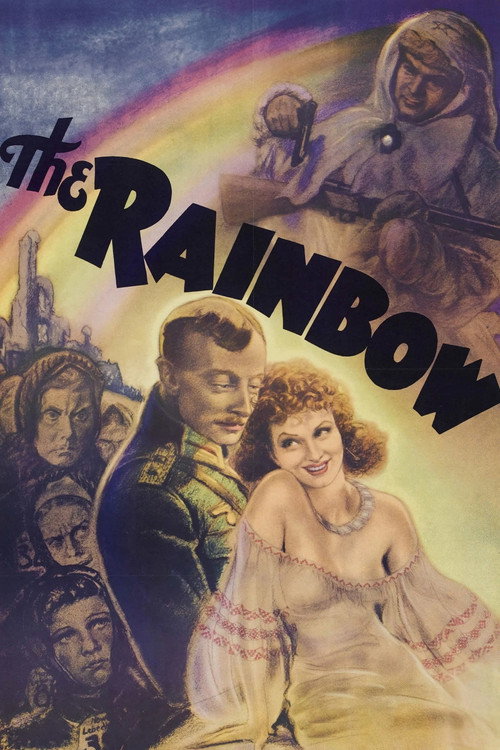
1944
Director
Mark Donskoy
Runtime
93 minutes
Average Rating
No ratings yetNew Showbiz Analysis
Rainbow stands as a powerful critique of racial supremacy, using a multi-ethnic family unit to challenge the homogeneity of National Socialism. By centering the story on the intersection of diverse identities and state-sponsored cruelty, the film highlights the resilience of pluralistic social structures. While the film excels in its ethnic and cultural commentary, it remains limited by the social constraints of its era. Gender roles are centered on maternal protection, and the absence of LGBTQ+ representation reflects the period's narrow narrative focus. Ultimately, the film's strength lies in its rejection of nationalist purity. It replaces individual retribution with a vision of collective, systemic justice, making it a significant historical work of humanist cinema.
Category Breakdown
The film does not include any LGBTQ+ characters or narratives. It focuses solely on straight-centered family bonds as a means of resistance.
Female characters play crucial roles in the community's endurance. Though their roles are somewhat traditional, the film challenges passivity by highlighting maternal ability to act against systemic violence.
The narrative features a multi-ethnic family, including a Jewish father, to critique racial purity doctrines. This portrayal frames ethnic blending as a core element of humanistic resilience.
The film promotes collectivist justice through a 'people's court' rather than vigilantism. It portrays nationalist institutions as predatory, favoring communal accountability over state hierarchies.
There are no significant depictions of physical or neurodivergent disabilities within the primary narrative arc.
Present on Screen
Limited or Absent
Official Synopsis
The German conquerors are above nothing, not even the slaughter of small children, to break the spirit of their Soviet captives. Suffering more than most is Olena, a Soviet partisan who returns to the village to bear her child, only to endure the cruelest of arbitrary tortures at the hands of the Nazis.
1968
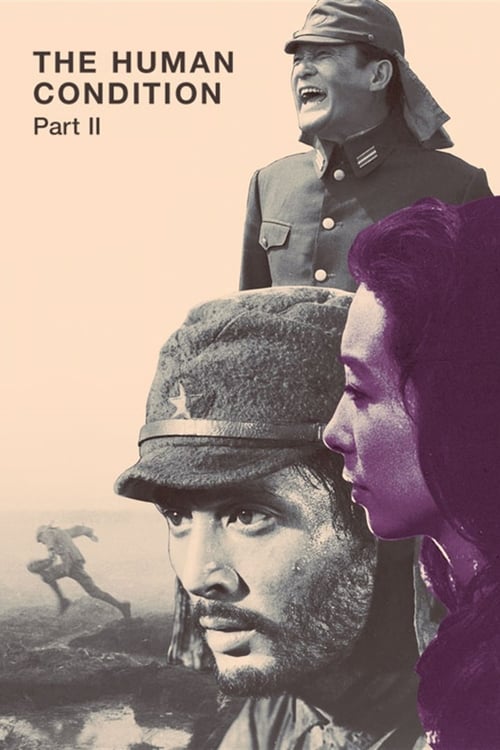
1959
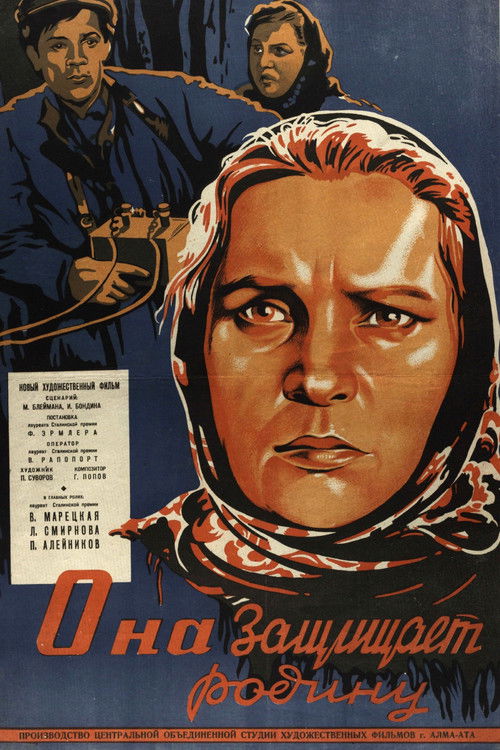
1943
1977
1958
1944

1945
1970
No reviews yet. Be the first to share your thoughts on this movie!
Use the rating form above to leave a star rating and optional review.