A Loaf of Bread
1960
No user ratings available yet
Representation score: 1.9 out of 10
Representation Score
Fair
2006
Director
Dana Vávrová, Joseph Vilsmaier
Runtime
123 minutes
Average Rating
No ratings yetNew Showbiz Analysis
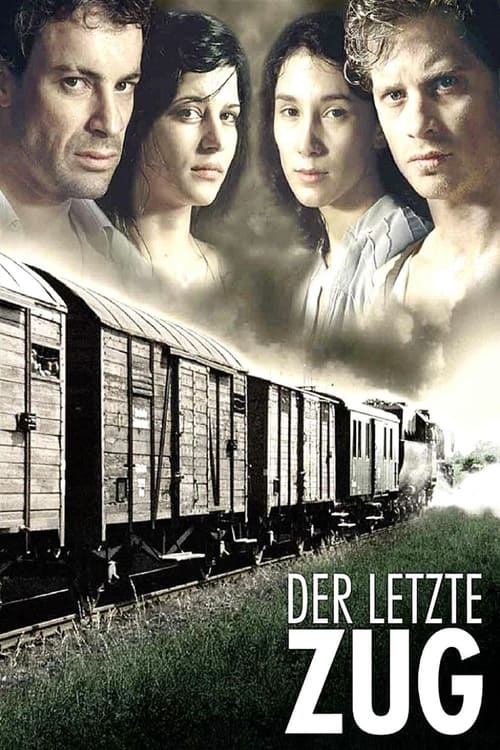
The Last Train is a historically accurate drama that focuses on the immediate chaos of wartime survival. It captures the breakdown of institutional authority through a conventional lens. While the film effectively portrays the moral ambiguity and chaos following the collapse of state authority, it does not attempt to deconstruct historical norms through diverse representation. Instead, it mirrors the rigid social structures of the time.
Category Breakdown
The film centers on civilians surviving the collapse of the Third Reich and does not include any LGBTQ+ characters or stories. It follows a traditional framework that assumes everyone is straight or cisgender.
Women in the film navigate wartime displacement through traditional roles of protection and domestic struggle. The movie reflects strict social roles and does not significantly challenge the dominance of male leadership.
The cast is mostly made up of people with similar backgrounds, reflecting the demographic reality of displaced Germans in 1945. The film does not use diverse ethnic backgrounds to challenge the historical context.
The story explores moral ambiguity and the fear of the Soviet Red Army's arrival. It shows the collapse of social order as a chaotic void rather than critiquing systemic issues.
Characters with disabilities are not central to the main plot. They appear as passive symbols of suffering and vulnerability, lacking significant control over their own lives.
Present on Screen
Limited or Absent
Official Synopsis
A group of people are imprisoned in a rail car bound from Berlin to a concentration camp in 1945.
1960
1998

1974

2019

1995
2001

1966

1987
No reviews yet. Be the first to share your thoughts on this movie!
Use the rating form above to leave a star rating and optional review.