The Dream
1966
No user ratings available yet
Representation score: 5.2 out of 10
Representation Score
Fair
1956
Director
France Štiglic
Runtime
82 minutes
Average Rating
No ratings yetNew Showbiz Analysis
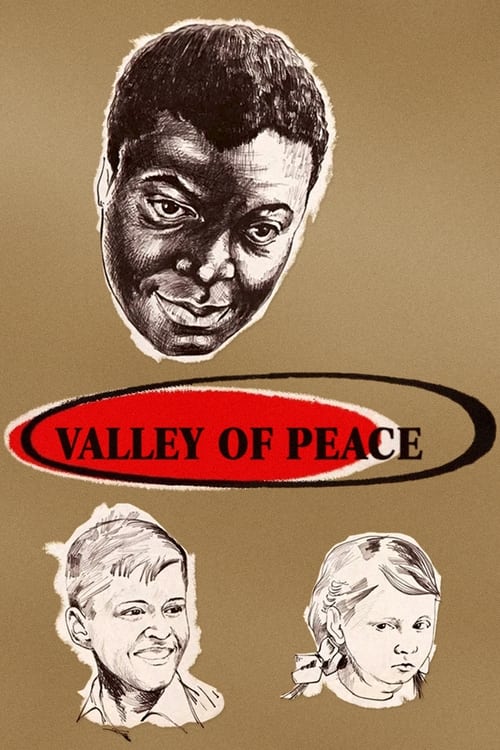
Valley of Peace stands out for its efforts to challenge racial and ethnic stereotypes. By featuring a Black American pilot in a European conflict, the film defies the typical racial hierarchies of 1950s cinema. The film's strength lies in its symbolic triangle of characters, promoting transnational solidarity and ethnic reconciliation. This approach goes beyond nationalist binaries to envision a post-nationalist ideal society. However, the film lacks representation of LGBTQ+ identities and does not include characters with disabilities. The narrative focus remains solely on the wartime struggle and the journey of the central trio.
Category Breakdown
The film does not include any LGBTQ+ characters or stories. The plot centers on the interactions and experiences of the main trio.
Women are shown as active participants in the resistance movement rather than being confined to domestic roles. They play a significant role in driving the story within the high-stakes wartime setting.
Including a Black American pilot breaks the usual racial uniformity of the era. The interaction between Slovene and German children highlights ethnic reconciliation.
The narrative emphasizes a secular, socialist-leaning perspective over religious doctrine. It portrays the fight against occupying forces as a necessary revolutionary cause.
There are no prominent representations of visible or invisible disabilities that shape the narrative or serve as central character arcs.
Present on Screen
Limited or Absent
Official Synopsis
When the planes bombed a Slovene town, a Slovene boy and a German girl set on a journey towards the valley, in which there is no war. On their way a black American pilot, who jumped of a shoot-down plane, joins them. Although American planes have killed the boy's parents, he accepts the pilot with enthusiasm. The children communicate with him in German and the valley of peace seems like the last paradise place of refuge. The Slovene boy, the German girl, and the American pilot represent a symbolic triangle of peace in this adventure happening in the middle of the War of Liberation.
1966
1982
1967

1960
1982
1941
1951
1970
No reviews yet. Be the first to share your thoughts on this movie!
Use the rating form above to leave a star rating and optional review.