The Night of the Shooting Stars
1982
No user ratings available yet
Diversity score: 5.6 out of 10
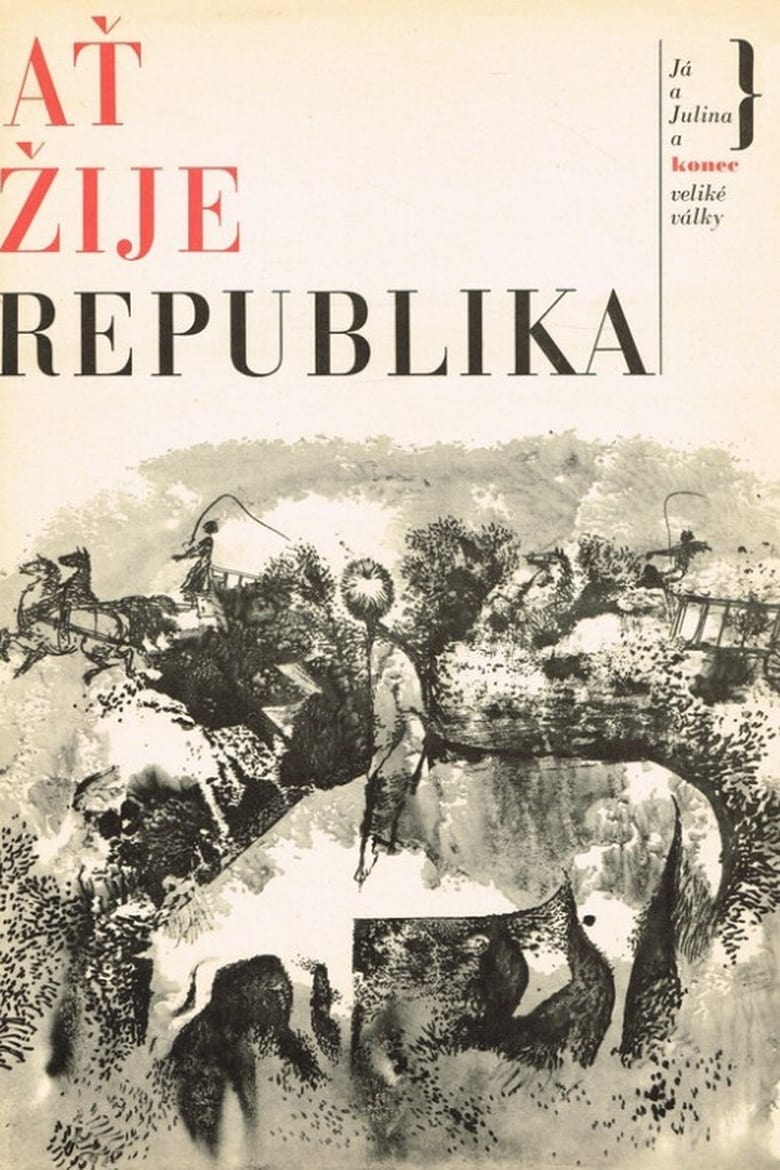
1965
Director
Karel Kachyňa
Runtime
134 minutes
Average Rating
No ratings yetSynopsis
Oldrich is the runt of his village, beaten by his father, bullied by the other boys. But he has imagination on his side, and a wiry toughness they can’t defeat. The village is in turmoil, because the Nazi occupiers have just retreated and the Red Army is advancing. Oldrich dodges amid the mayhem and panic, taking his share of blows but always managing to stay one step ahead. Beautifully shot and darkly ironic, Karel Kachyna’s forgotten masterpiece jumbles reality, memory and fantasy to capture the intensity and confusion of childhood in a war zone.
Overall Score
Fair
Category Breakdown
LGBTQ+ Representation
The film lacks explicit evidence of LGBTQ+ identities or non-heteronormative dynamics. The narrative focuses primarily on the protagonist's struggle against social and physical bullying.
Gender Representation
The story centers on a male protagonist navigating patriarchal aggression. While it subverts traditional paternal hierarchies through a dysfunctional father figure, female agency remains unrepresented.
Racial & Ethnic Diversity
Set during the transition between Nazi and Soviet forces, the film is rooted in a specific European ethnic context. It focuses on local village dynamics rather than multi-ethnic casting.
Religious & Cultural Diversity
The film subverts traditional village structures by depicting communal dysfunction. It frames established institutions and authority as sources of chaos during a period of systemic upheaval.
Disability Representation
The protagonist is portrayed as the village runt, implying physical vulnerability. His wiry toughness offers a nuanced look at resilience despite perceived physical inadequacy.
Strengths
Areas for Improvement
AI Analysis
Long Live the Republic avoids the standard war hero archetype by centering on Oldrich, a marginalized and bullied individual. This shift from traditional leadership to personal survival provides a subversive look at mid-century life. The film excels at deconstructing social norms and the traditional family unit. By portraying the village and paternal figures as sources of conflict rather than stability, it offers a sophisticated critique of established power structures. However, the narrative is limited by a narrow demographic focus. The lack of visible female agency and the absence of diverse ethnic or LGBTQ+ identities keep the overall diversity score moderate.
1982

1984
1992
1955
1968
1970
2014

1966
1957

1976
2006
1974
No reviews yet. Be the first to share your thoughts on this movie!
Use the rating form above to leave a star rating and optional review.