
The Crying Woman
1979
No user ratings available yet
Representation score: 4.6 out of 10
Representation Score
Limited
1981
Director
Jacques Doillon
Runtime
95 minutes
Average Rating
No ratings yetNew Showbiz Analysis
The film is a psychological exploration of individual control within a decaying traditional framework. It successfully challenges traditional gender hierarchies by emphasizing the female protagonist's subjective experience over male leadership. However, the movie is limited by its lack of racial and LGBTQ+ diversity. The cast reflects a homogeneous, white French context typical of its 1981 production era. Ultimately, the film's strength lies in its critique of the idealized Western family, although it remains narrow in its demographic representation.
Category Breakdown
The film does not include any LGBTQ+ characters or non-straight relationships. The main conflict revolves around traditional heterosexual and familial relationships.
The story focuses on a female protagonist who has significant control over her own life and challenges patriarchal structures by influencing her father's emotions.
The cast is mostly white and comes from similar socioeconomic backgrounds. There is no indication of racial diversity or non-white perspectives.
The film questions the sanctity of the Western nuclear family through themes of betrayal and envy. It emphasizes individual psychological truth over traditional moral values.
There are no visible or hidden disabilities featured in the narrative.
Present on Screen
Limited or Absent
Official Synopsis
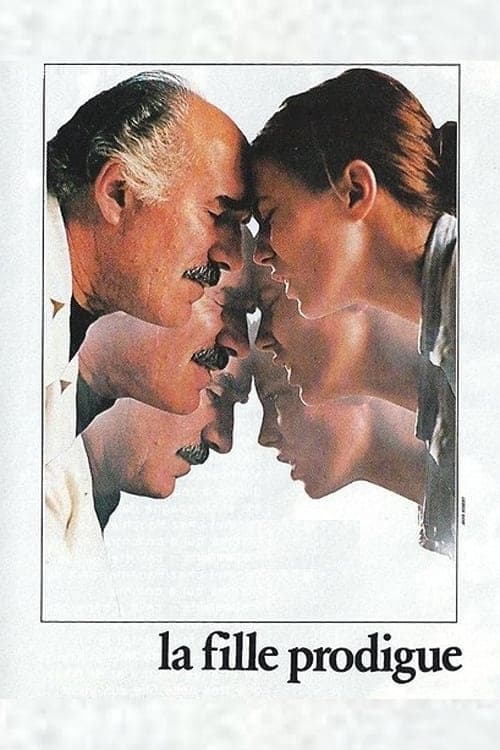
A young woman in a deep depression leaves her husband and returns to her parents. She discovers her father is having an affair, becomes jealous of his mistress and tries to turn his feelings in her direction.
1979
1974
1975
1979
1981
1978
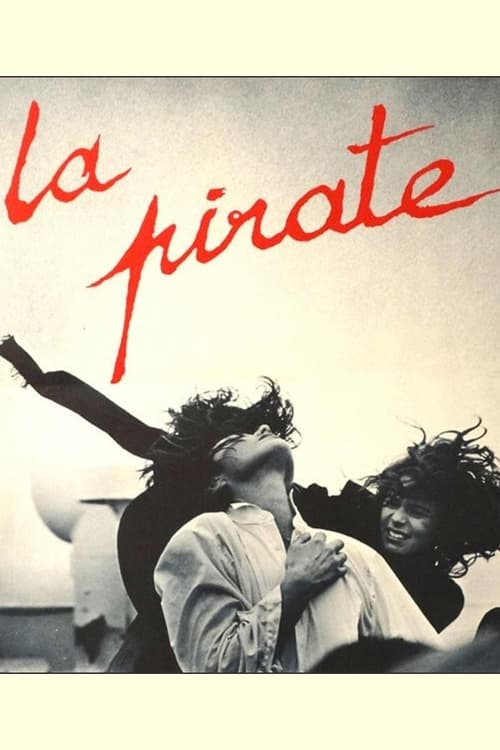
1984

2010
No reviews yet. Be the first to share your thoughts on this movie!
Use the rating form above to leave a star rating and optional review.