Long Live Death
1971
No user ratings available yet
Diversity score: 5.2 out of 10
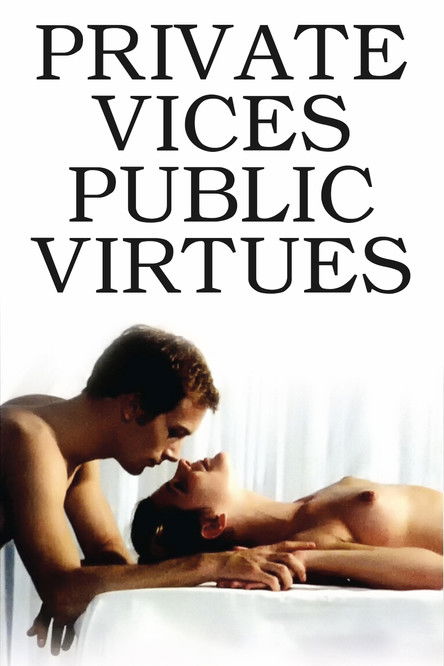
1976
RDirector
Miklós Jancsó
Runtime
104 minutes
Average Rating
No ratings yetSynopsis
The setting is a Central European kingdom, near the turn of the century. Bored by his very proper wife, the youthful heir to the throne spends his time in amorous dalliances at a sprawling country estate. His wife departs at the arrival of his friends, and they organize a celebration which becomes a wild orgy and culminates in death and tragedy.
Overall Score
Fair
Category Breakdown
LGBTQ+ Representation
The film explores sexual excess and amorous dalliances within the aristocracy. However, these depictions serve to expose class hypocrisy rather than centering queer identities or non-heteronormative agency.
Gender Representation
The narrative subverts traditional femininity by portraying domesticity as a restrictive social performance. While women are present, their agency is often subsumed by the ritualistic movements of the ruling class.
Racial & Ethnic Diversity
Set in a specific Central European historical context, the film features a homogeneous cast. It focuses on internal class stratifications rather than utilizing diverse casting to challenge the period setting.
Religious & Cultural Diversity
The film excels by deconstructing institutional morality and Western social constructs. It frames 'virtue' as a performative tool used by the elite to mask systemic corruption and maintain hierarchy.
Disability Representation
There is no significant evidence regarding the portrayal of physical or neurodivergent disabilities in this work.
Strengths
Areas for Improvement
AI Analysis
Private Vices, Public Virtues is a sophisticated critique of power and social ritual. It succeeds by deconstructing the hypocrisy of the ruling class, using the breakdown of social order to challenge institutional morality. However, the film lacks intersectional breadth. The cast remains homogeneous, reflecting the specific Central European era without introducing racial or LGBTQ+ identities that could challenge the established social structures. Ultimately, the film's strength lies in its cultural analysis of systemic corruption rather than its representation of diverse human identities.
1971
1972
1971
1980
1976
1980
1958
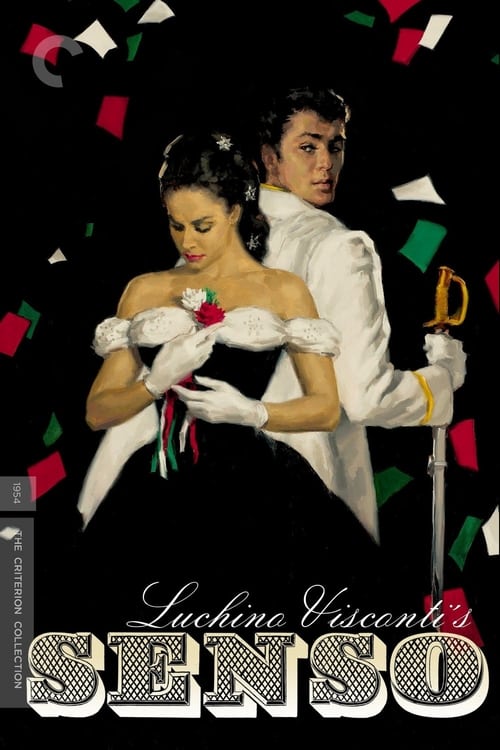
1954
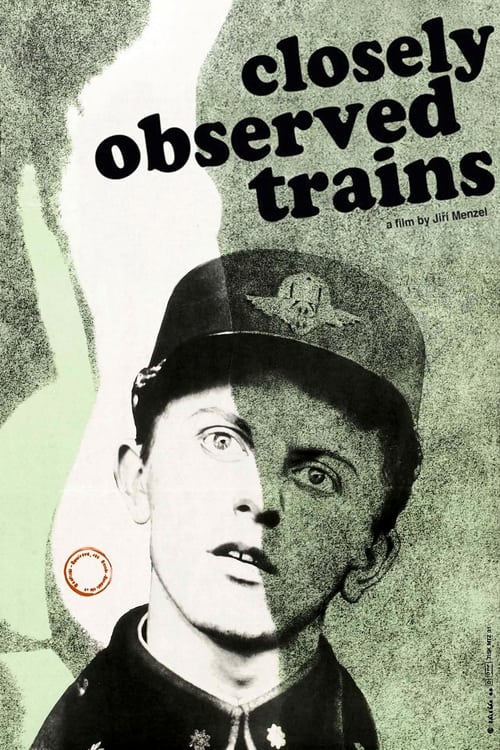
1966
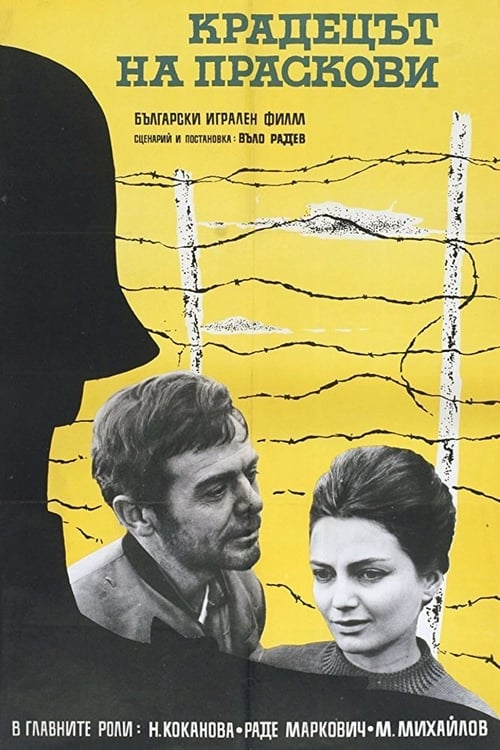
1964
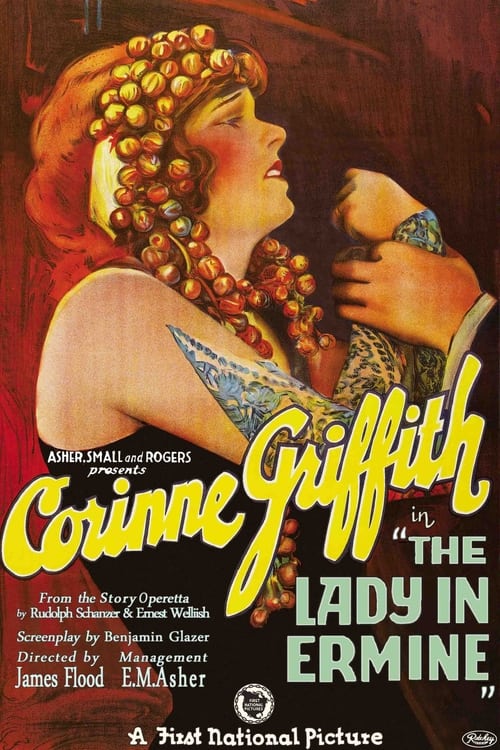
1927
1970
No reviews yet. Be the first to share your thoughts on this movie!
Use the rating form above to leave a star rating and optional review.