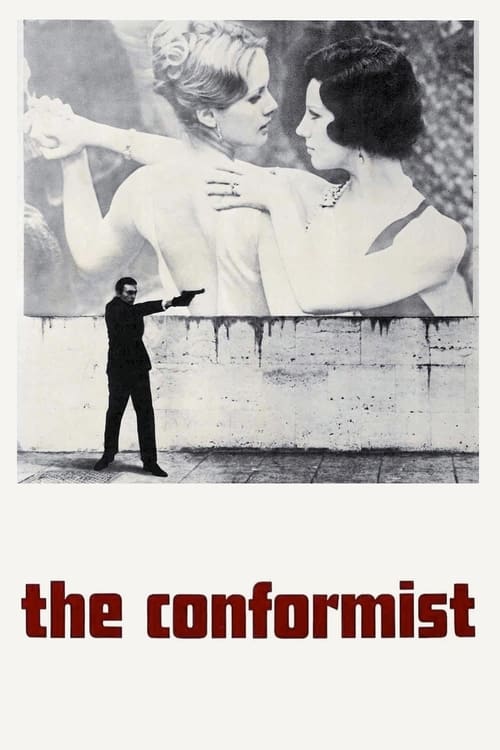
The Conformist
1971
No user ratings available yet
Representation score: 3.8 out of 10

Representation Score
Fair
1970
Director
Miklós Jancsó
Runtime
82 minutes
Average Rating
No ratings yetNew Showbiz Analysis
The Pacifist is a formalist study of political instability and the erosion of personal influence. It excels in its intellectual depth, using long takes to explore the tension between personal ethics and systemic radicalism. While the film provides a sophisticated critique of power structures and institutional violence, it lacks explicit representation of identity-based issues. The narrative is set in a specific historical European context that emphasizes class and ideology over racial or LGBTQ+ diversity. Ultimately, the work functions as a complex examination of moral relativism. It moves beyond simple melodrama to explore how political necessity shapes truth and individual roles within movements.
Category Breakdown
The film centers on a traditional romantic relationship that serves as a catalyst for moral dilemmas, rather than exploring diverse sexual orientations or gender identities.
The journalist character offers a nuanced perspective as a moral guide, avoiding the passive recipient cliché. However, the film does not challenge traditional gender roles or leadership.
The story unfolds in a homogeneous European setting, focusing on class and political affiliation rather than racial or ethnic diversity.
The film critiques institutional stability and state violence, examining moral relativism and the shifting nature of truth in political contexts.
The film does not depict any visible or invisible disabilities. Characters are defined by their political and moral choices rather than physical or neurodivergent traits.
Present on Screen
Limited or Absent
Official Synopsis
A journalist preparing a story on extremist youth falls in love with a young radical who fears being killed by his companions when he is unable to commit a political assassination.
1971
1963
1968
1969

1970

1969
1951
1970
No reviews yet. Be the first to share your thoughts on this movie!
Use the rating form above to leave a star rating and optional review.