
The Shop on Main Street
1965
No user ratings available yet
Representation score: 4.6 out of 10
Representation Score
Limited
1958
Not RatedDirector
Andrzej Wajda
Runtime
103 minutes
Average Rating
No ratings yetNew Showbiz Analysis
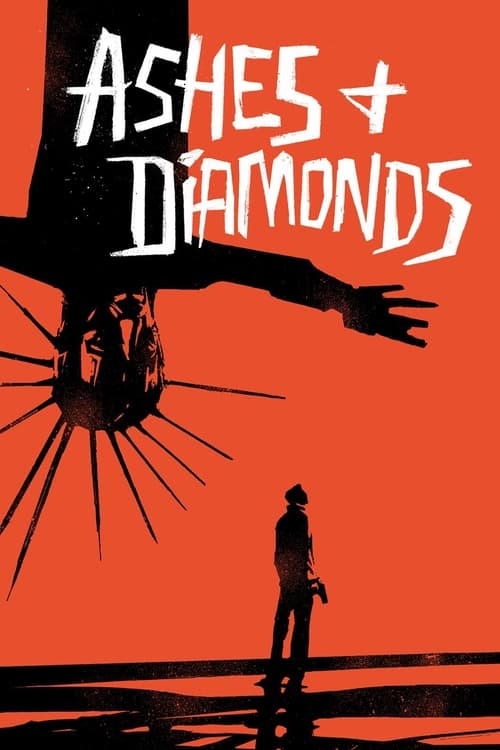
Ashes and Diamonds is a profound exploration of existential tragedy and moral ambiguity rather than demographic variety. It replaces traditional heroism with a nuanced look at individuals caught in the friction of shifting systemic powers. The film's strength lies in its sophisticated cultural structure. It effectively critiques the stability of the state and the futility of traditional social structures through a lens of political necessity. However, the work remains limited by its mid-century framework. It lacks representation for LGBTQ+ identities, diverse racial ensembles, or characters with disabilities, focusing instead on a specific, homogeneous historical context.
Category Breakdown
The film follows a strictly heterosexual storyline without depicting any non-traditional gender identities or challenging traditional sexual norms.
While the plot revolves around masculine political struggles, Krystyna plays a crucial role in providing emotional depth. However, the film adheres to traditional fatalistic romance.
Set in 1945 Poland, the film depicts a homogeneous ethnic landscape focused on national identity and sovereignty, without highlighting diverse racial dynamics or casting.
The film stands out by deconstructing traditional institutions and exploring situational ethics. It portrays the shift in political power as an impersonal force that blurs the line between hero and criminal.
The narrative includes no significant depictions of visible or invisible disabilities.
Present on Screen
Limited or Absent
Official Synopsis
A young academy soldier, Maciek Chelmicki, is ordered to shoot the secretary of the KW PPR. A coincidence causes him to kill someone else. Meeting face to face with his victim, he gets a shock. He faces the necessity of repeating the assassination. He meets Krystyna, a girl working as a barmaid in the restaurant of the "Monopol" hotel. His affection for her makes him even more aware of the senselessness of killing at the end of the war. Loyalty to the oath he took, and thus the obligation to obey the order, tips the scales.
1965

1974

1955

1957
2007
1961
1993

1968
No reviews yet. Be the first to share your thoughts on this movie!
Use the rating form above to leave a star rating and optional review.