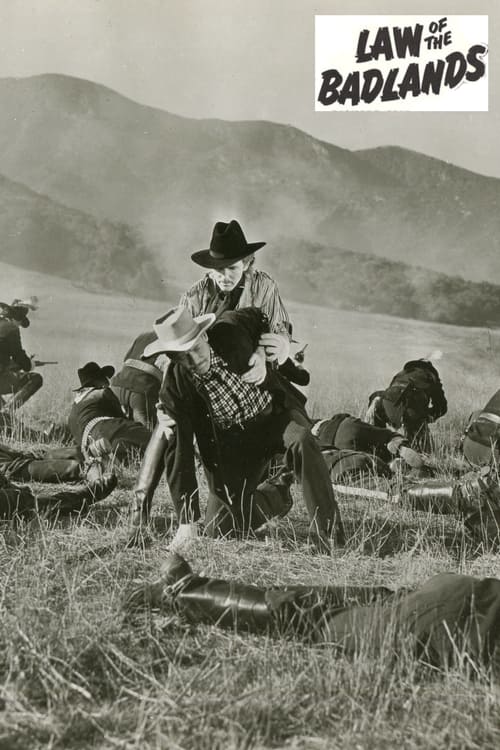
Law of the Badlands
1945
No user ratings available yet
Representation score: 1.9 out of 10
Representation Score
Minimal
1946
ApprovedDirector
Harry L. Fraser
Runtime
57 minutes
Average Rating
No ratings yetNew Showbiz Analysis
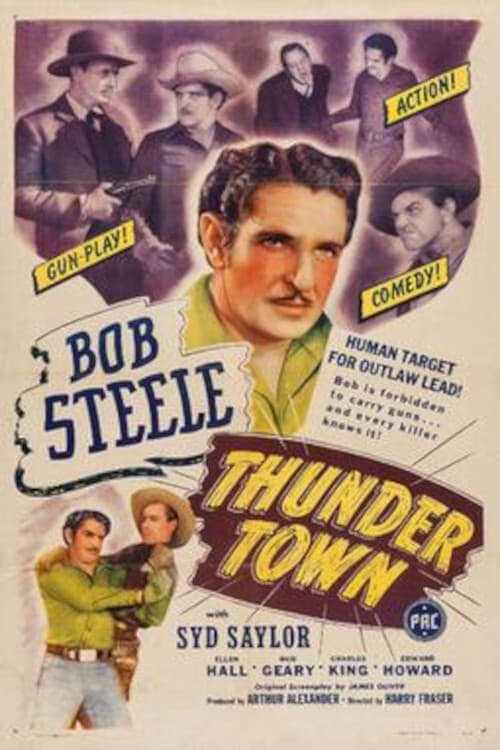
Thunder Town is a classic 1940s B-movie Western that adheres strictly to the genre's established social and narrative norms. The film prioritizes traditional masculine roles, focusing on a male protagonist's journey to reclaim his ranch and prove his innocence. By centering on themes of land ownership and legal standing, the film reinforces the period's standard demographic hierarchies. The lack of diverse representation reflects the era's preference for homogeneous casts and conventional social structures.
Category Breakdown
The film does not include any LGBTQ+ characters or representations of non-straight relationships. The story focuses on traditional masculine roles centered around ranching and legal vindication.
Gender roles are strictly traditional and hierarchical. The plot is driven entirely by male characters, with no opportunity for female characters to take control or challenge traditional roles.
The narrative centers on Anglo-Saxon protagonists typical of the era's pioneer archetypes. There is no indication of a diverse cast or multi-ethnic ensemble.
The film reinforces mid-1940s Western values regarding property and social stability. It promotes a restorative view of justice without questioning the frontier institutions.
There is no evidence of characters with visible or invisible disabilities within the film's narrative.
Present on Screen
Limited or Absent
Official Synopsis
An ex-convict (Bob Steele) returns to his ranch; he and his sidekick (Sid Saylor) prove he was framed.
1945
1943
1949
1949

1959
1948

1944
1946
No reviews yet. Be the first to share your thoughts on this movie!
Use the rating form above to leave a star rating and optional review.