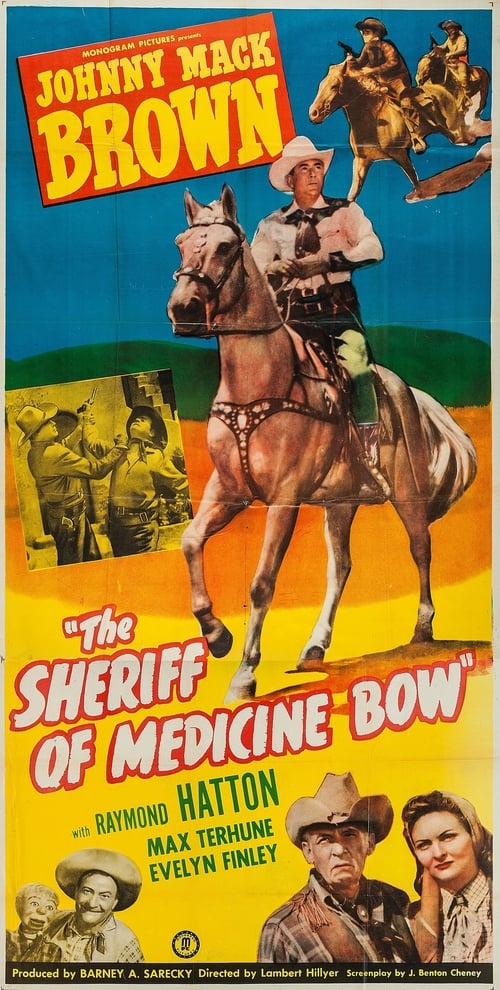
The Sheriff of Medicine Bow
1948
No user ratings available yet
Representation score: 0.6 out of 10

Representation Score
Minimal
1944
PassedDirector
Harry L. Fraser
Runtime
58 minutes
Average Rating
No ratings yetNew Showbiz Analysis
Gunsmoke Mesa reinforces the mythologies of mid-1940s frontier life. It follows a highly conventional social framework that prioritizes traditional authority and racial homogeneity. Narrative ability to act is heavily gendered, with men driving the conflict while women remain in reactive roles. The film relies on established archetypes that uphold the existing social order of the period.
Category Breakdown
The film does not include any characters with LGBTQ+ identities. There are no queer characters who take control of their own stories.
Men dominate the plot, driving the main conflicts. Women play supporting roles, often reacting to the actions of male characters.
The cast is predominantly white, with little effort made to include diverse ethnic backgrounds or characters who reflect more than one aspect of diversity.
The story focuses on frontier justice and upholds traditional moral clarity. It does not critique Western institutions or religious frameworks.
Characters with disabilities are not included in the story. There are no characters with visible or invisible disabilities.
Present on Screen
Limited or Absent
1948
1939
1924
1935
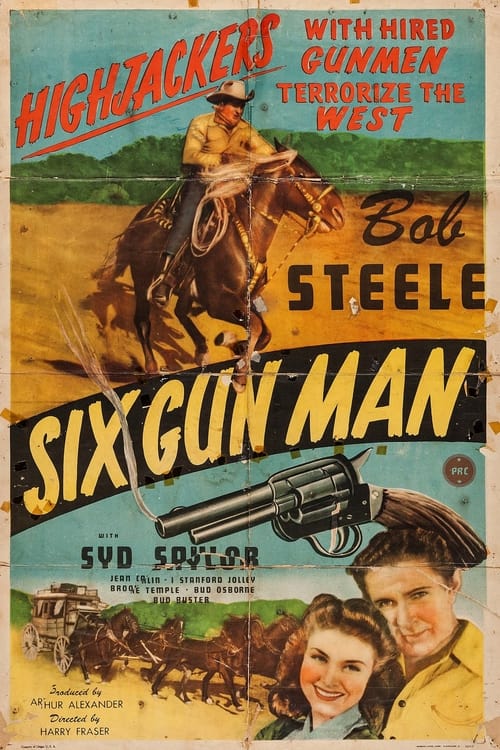
1946
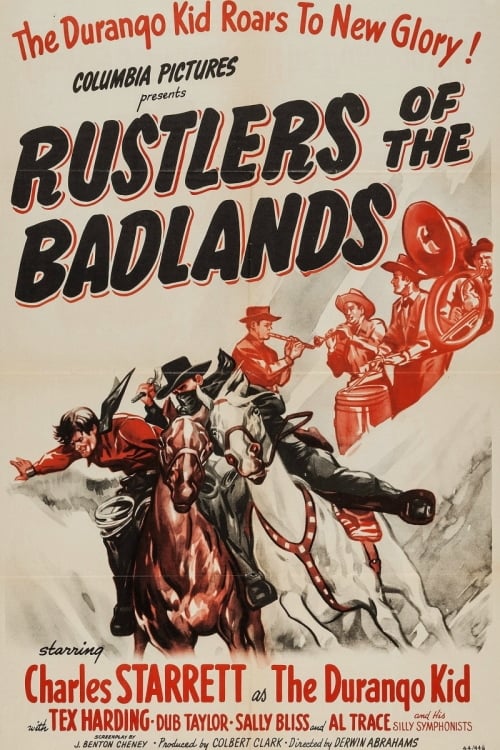
1945
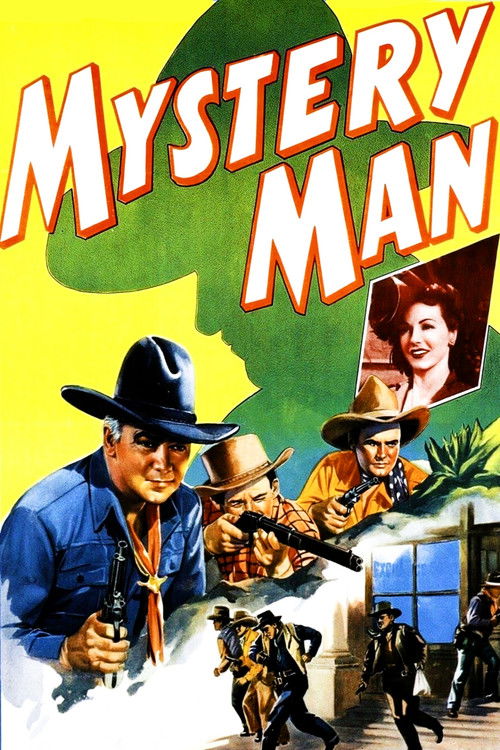
1944
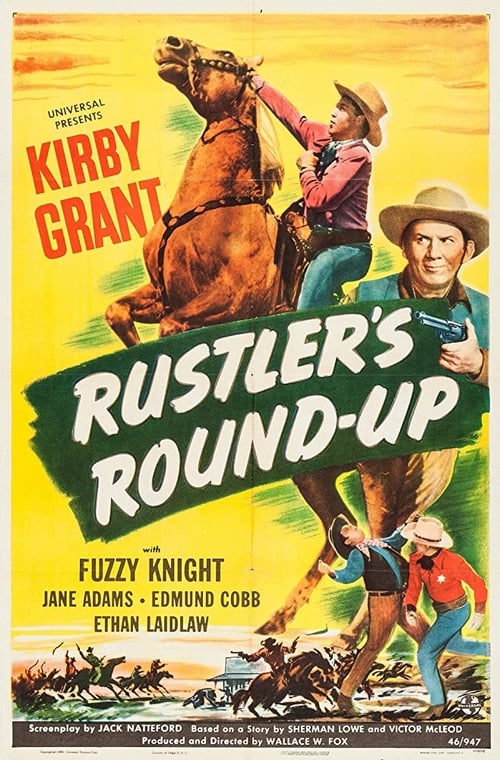
1946
No reviews yet. Be the first to share your thoughts on this movie!
Use the rating form above to leave a star rating and optional review.