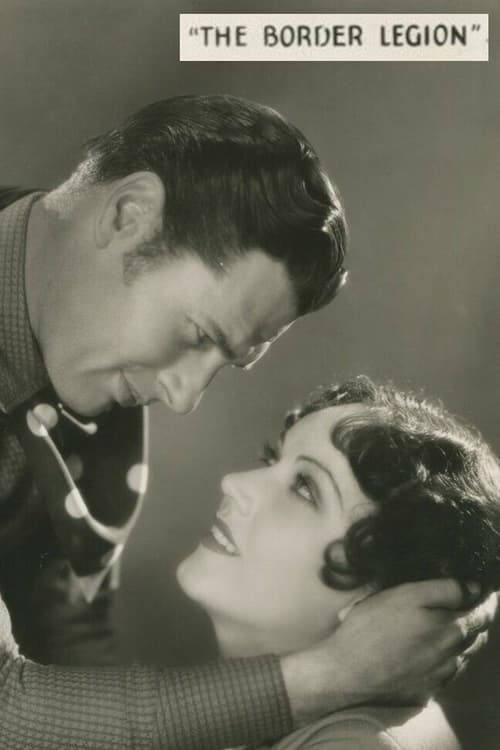
The Border Legion
1930
No user ratings available yet
Representation score: 0.5 out of 10
Representation Score
Minimal
1934
PassedDirector
Jack Nelson
Runtime
53 minutes
Average Rating
No ratings yetNew Showbiz Analysis
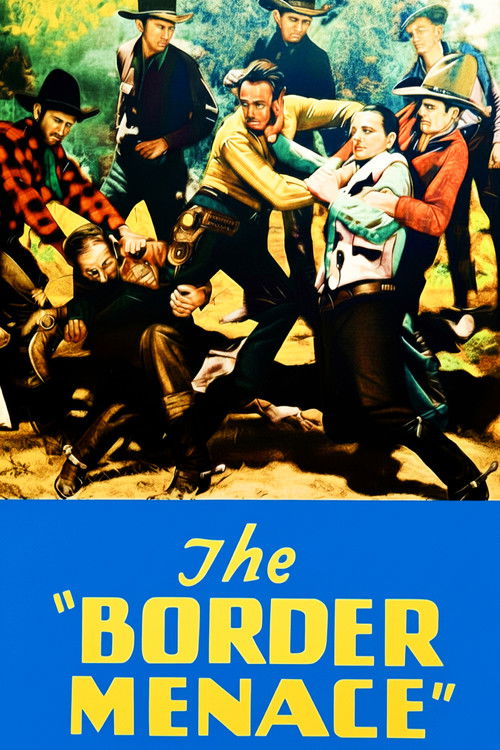
The Border Menace is a classic 1930s Western that emphasizes genre clichés over social complexity. The narrative revolves around masculine archetypes of law enforcement and criminality, focusing on the conflict between Ranger Bill Williams and a criminal gang. The film lacks diverse identities, sticking to the assumption that everyone is straight and cisgender. It operates as a straightforward morality tale that supports existing institutional hierarchies without challenging them. Overall, the film lacks depth in reflecting multiple aspects of diversity. It functions as a typical genre piece that relies on established Western conventions of heroism and criminality.
Category Breakdown
The film follows a traditional law-and-order storyline without depicting non-traditional gender identities or same-sex relationships.
The plot centers on male-driven conflict between a Ranger and a criminal gang. Female characters have little influence in the main story.
Set in a frontier environment, the film lacks significant racial diversity or meaningful roles for characters of color.
The story is a conventional morality tale emphasizing justice and upholding traditional views on authority and the legal system.
The narrative does not include characters with physical, sensory, or neurodevelopmental disabilities.
Present on Screen
Limited or Absent
Official Synopsis
Ranger Bill Williams goes to prison to get information on Chuck Adams. Then a fake posse chase gets him invited into Adams' gang. But just as he learns who Adams' boss is and is about to make his move, his cell mate who escaped from prison returns to identify him.
1930
1933
1931
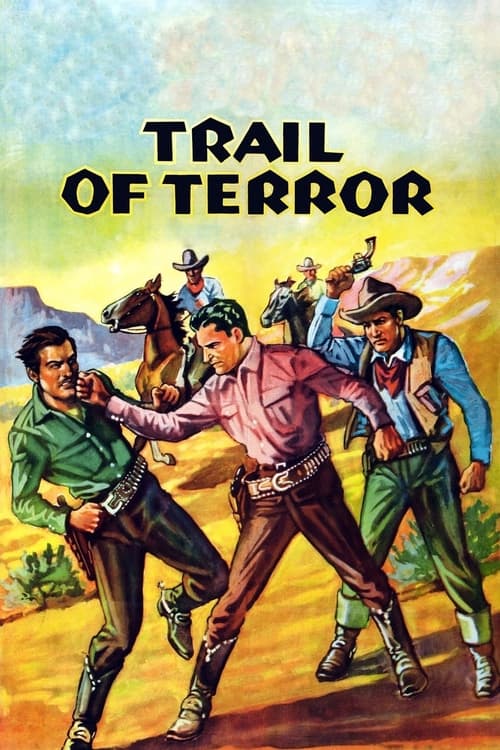
1935
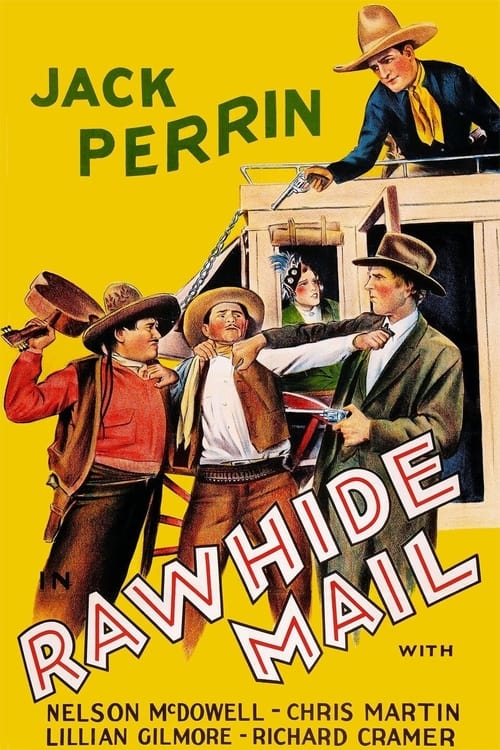
1934
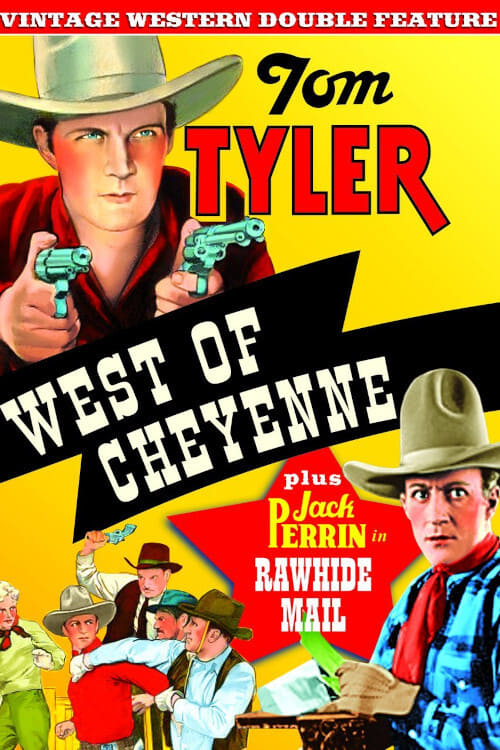
1931
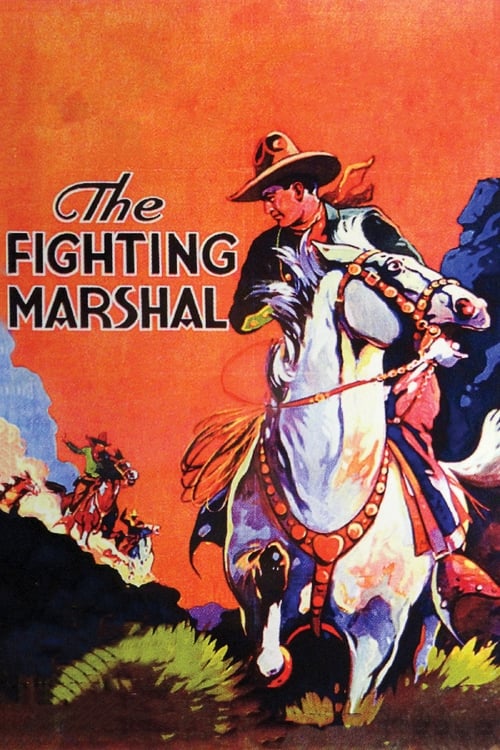
1931

1933
No reviews yet. Be the first to share your thoughts on this movie!
Use the rating form above to leave a star rating and optional review.