Loaded Pistols
1948
No user ratings available yet
Diversity score: 1.2 out of 10
1950
PassedDirector
John English
Runtime
70 minutes
Average Rating
No ratings yetSynopsis
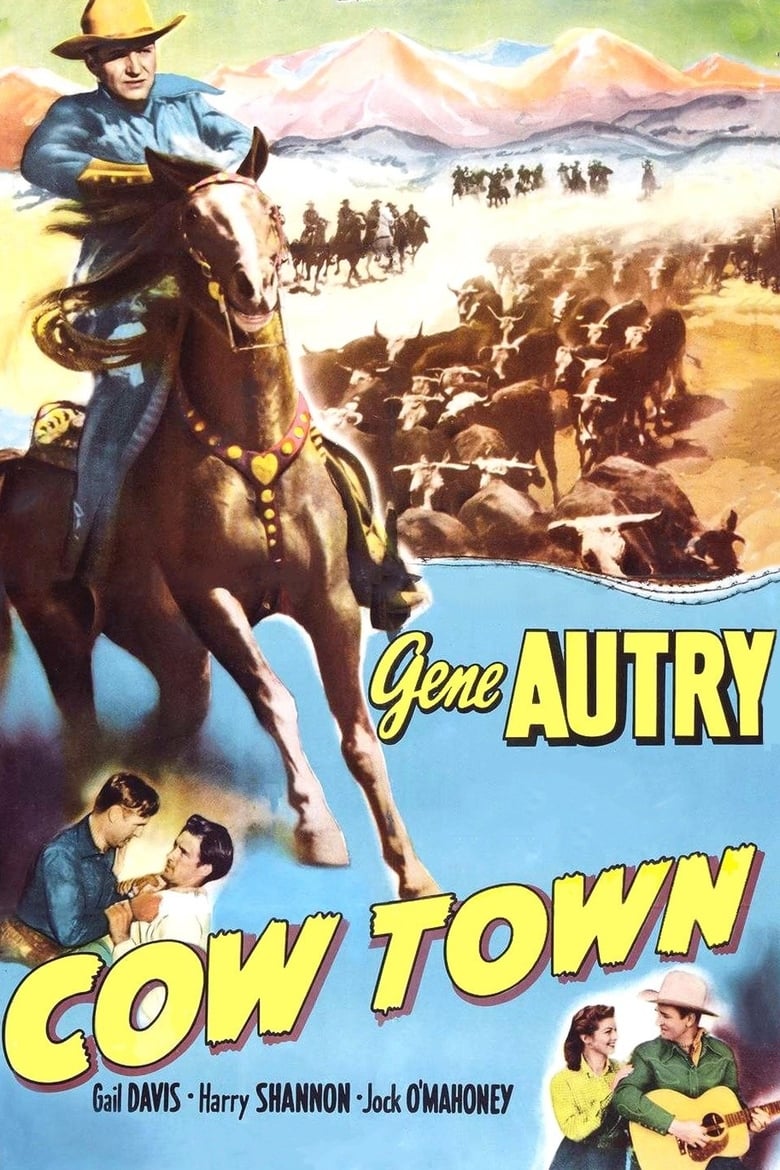
Gene responds to cattle rustling by stringing barbed wire all around his range.
Overall Score
Minimal
Category Breakdown
LGBTQ+ Representation
The film contains no discernible LGBTQ+ characters or narratives. It presents a strictly heteronormative social landscape consistent with 1950s cinematic standards.
Gender Representation
The narrative centers on male-driven conflict and physical agency. Women are relegated to peripheral or domestic roles, reinforcing traditional gender hierarchies.
Racial & Ethnic Diversity
The film reflects the homogeneous casting norms of the early 1950s. It focuses on Anglo-Saxon archetypes without significant racial blending or diverse ethnic perspectives.
Religious & Cultural Diversity
The story reinforces traditional Western values regarding property ownership and law and order. It upholds the importance of territorial integrity and capitalist frontier stability.
Disability Representation
There is no evidence of characters with visible or invisible disabilities. The film does not utilize disability as a thematic element or character arc.
Strengths
Areas for Improvement
AI Analysis
Cow Town is a quintessential mid-century Western that adheres strictly to the genre's established tropes. The plot focuses on masculine agency, cattle rustling, and the enforcement of territorial boundaries through the use of barbed wire. The film functions as a traditionalist piece that reinforces existing social hierarchies rather than challenging them. It lacks intersectional complexity, opting instead for a linear progression of conflict within a conventional framework. Ultimately, the production serves as a representative specimen of its era, emphasizing stability and the preservation of order through a singular, traditionalist lens.
1948
1951
1953
1942

1952
1934
1951
1934
1947
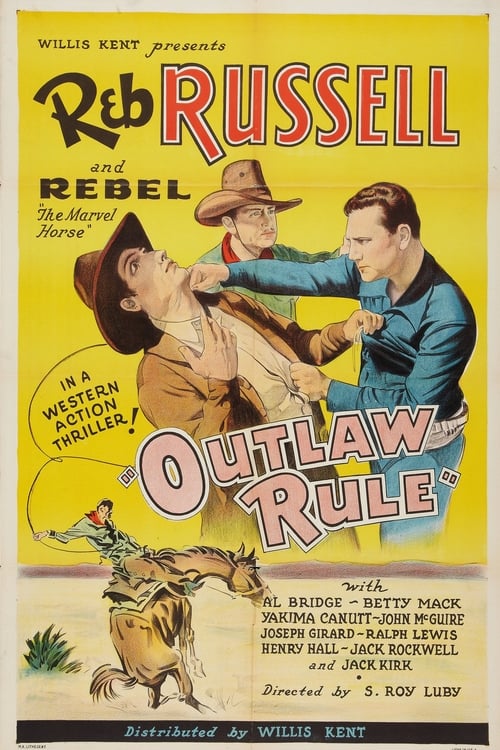
1935
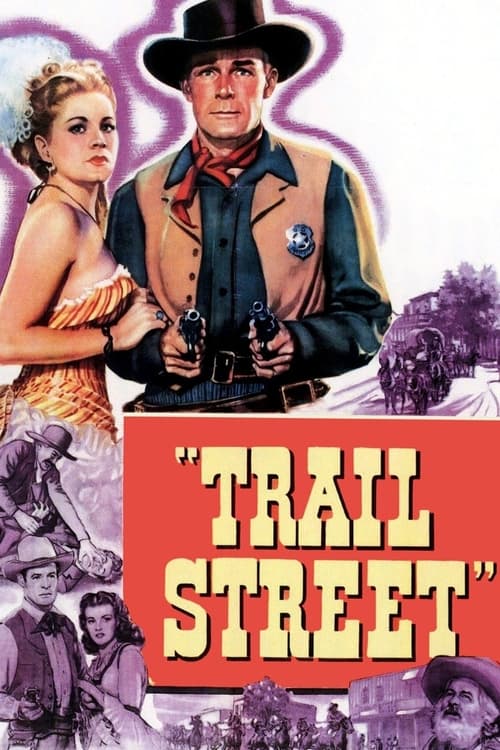
1947
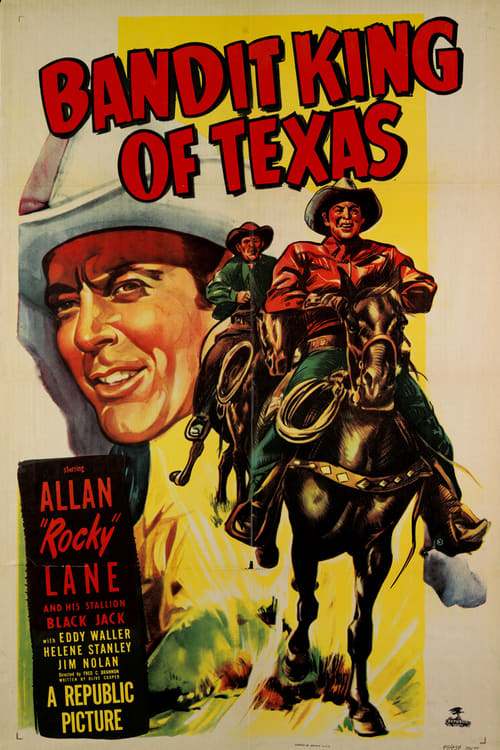
1949
No reviews yet. Be the first to share your thoughts on this movie!
Use the rating form above to leave a star rating and optional review.