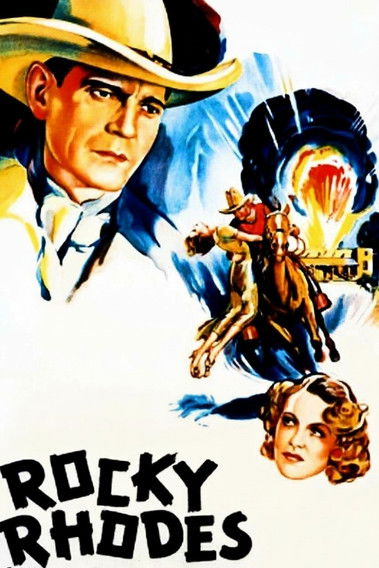
Rocky Rhodes
1934
No user ratings available yet
Representation score: 1.6 out of 10
Representation Score
Minimal
1940
PassedDirector
George Sherman
Runtime
57 minutes
Average Rating
No ratings yetNew Showbiz Analysis
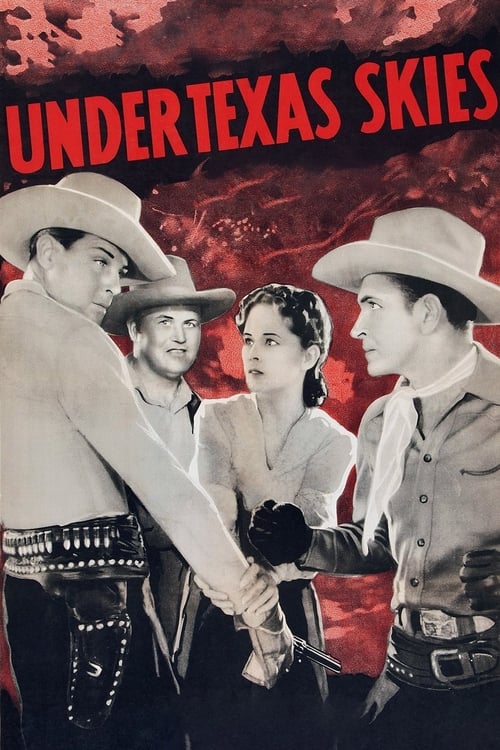
Under Texas Skies is a conventional B-Western that functions as a product of its era. The film relies on established genre clichés and traditional social hierarchies to drive its plot. Narrative ability to act is almost exclusively masculine, centered on a son seeking justice for his murdered father. This structure reinforces the period's standard Western archetypes without introducing multi-layered complexity. Ultimately, the film upholds the status quo of 1940s American cinema. It focuses on the preservation of authority and traditional morality rather than subverting institutional norms.
Category Breakdown
The film does not include any LGBTQ+ characters or narratives that challenge straight-centered assumptions. It adheres to the strict straight-centered social structures typical of 1940s Western cinema.
The plot is driven by masculine archetypes, focusing on law enforcement and physical confrontation. Female characters play minor roles and have limited influence in the main power struggles.
The narrative centers on a localized conflict that likely features a homogeneous cast. It reflects the demographic norms of the 1940s studio system.
The story reinforces traditional Western values like frontier justice and patriotism. It supports established institutions rather than offering a critique of them.
There is no information regarding characters with physical or neurodivergent disabilities in the narrative.
Present on Screen
Limited or Absent
Official Synopsis
The story opens as Stony returns to his home town, only to discover that his sheriff father has been murdered by person or persons unknown. The new sheriff (Henry Brandon) resents the arrival of the Mesquiteers, going so far as to frame Tucson on a murder charge.
1934
1944
1943
1935
1931
1941
1934
1943
No reviews yet. Be the first to share your thoughts on this movie!
Use the rating form above to leave a star rating and optional review.