Rustlers of the Badlands
1945
No user ratings available yet
Representation score: 0.5 out of 10
Representation Score
Minimal
1945
PassedDirector
Harry L. Fraser
Runtime
59 minutes
Average Rating
No ratings yetNew Showbiz Analysis
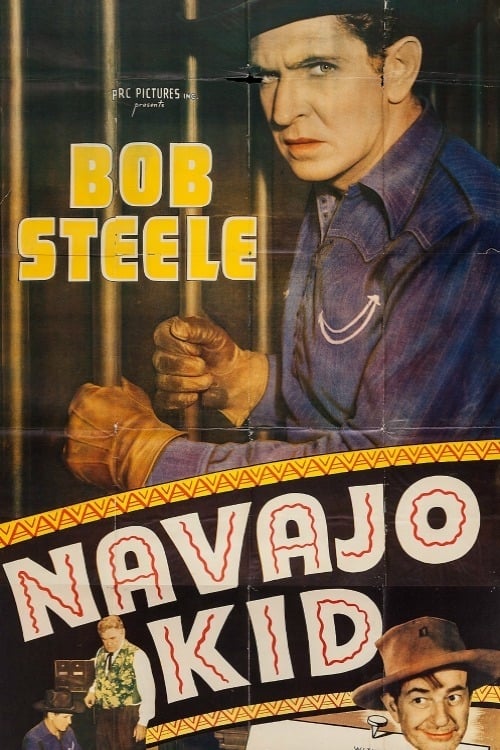
Navajo Kid is a classic 1940s B-Western that emphasizes traditional genre clichés over narrative subversion. Although it introduces Navajo elements to avoid a purely white narrative, it still upholds a settler-colonial perspective. The film's structure revolves around a male-dominated hierarchy where the protagonist and his adversaries hold most of the ability to act. This leaves little room for diverse perspectives or complex characterizations outside of typical heroism and villainy. Overall, the film serves as a historical example of the genre, reflecting the social constraints of its time through a predictable moral framework and limited representation.
Category Breakdown
The film does not include any LGBTQ+ characters or non-cisgender identities. It follows a traditional framework that assumes everyone is straight and cisgender.
The story focuses primarily on male characters and their conflicts, with minimal involvement from women. Male characters have nearly all the ability to act and control over the plot.
The film includes Navajo settings and characters, providing some ethnic visibility. However, these depictions often reinforce a colonial perspective rather than offering deeper character development.
The story adheres to a traditional Western moral framework centered around frontier justice. It reinforces existing social hierarchies without challenging them.
There is no visible or documented representation of physical, neurodivergent, or mental health disabilities in the film.
Present on Screen
Limited or Absent
Official Synopsis
The Navajo Kid goes in search of the villains who murdered his foster-father and stole both ring and watch. The trail leads straight to Canyon City, Texas, and smooth cardsharp Honest John Grogan, who is in possession of both the stolen items. But Grogan has an ironclad alibi for the time of the murder, an alibi confirmed by none other than Sheriff Roy Landon.
1945
1962
1940
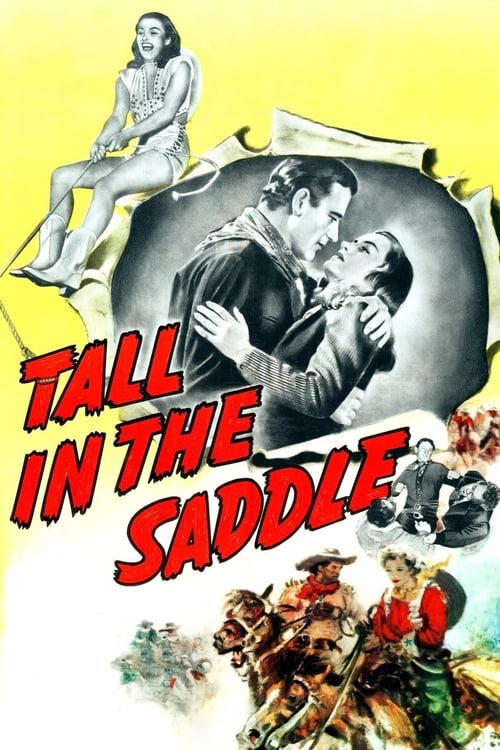
1944
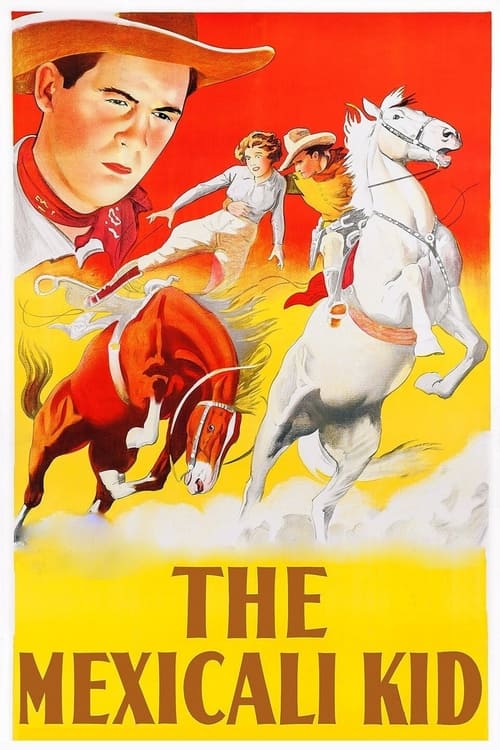
1938
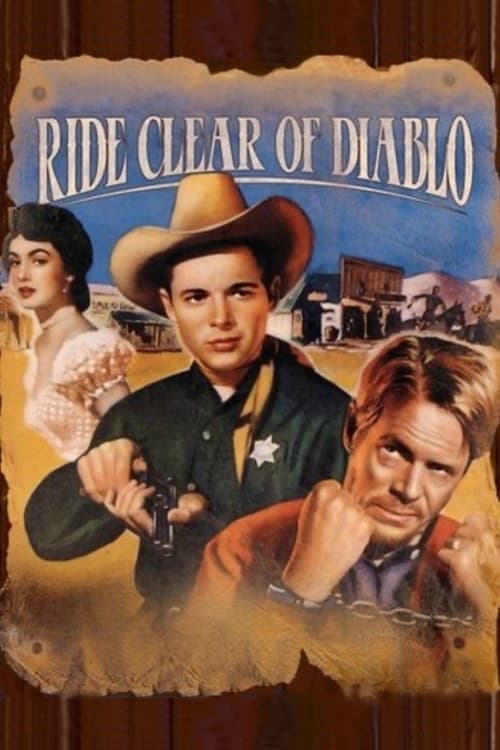
1954
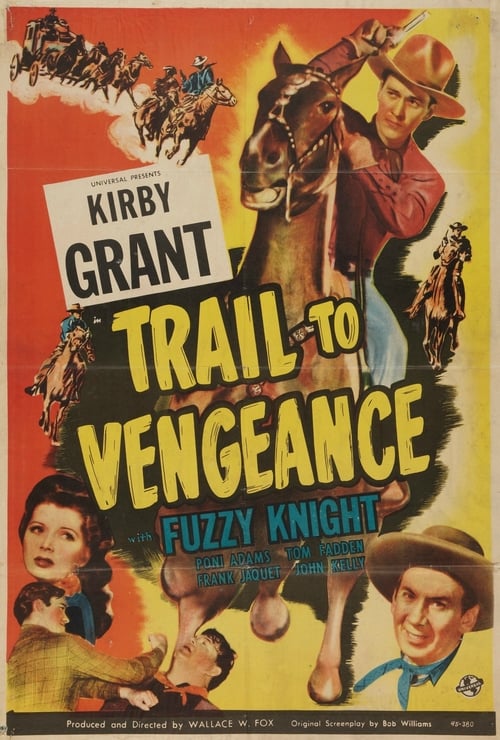
1945
1945
No reviews yet. Be the first to share your thoughts on this movie!
Use the rating form above to leave a star rating and optional review.